Brazil’s 50-year ethanol experiment offers lessons for India’s E20 transition
India’s introduction of E20 fuel has sparked concerns among vehicle owners about efficiency losses and long-term damage. Brazil’s decades-long experience with ethanol blends, including E20 and higher, suggests that while some issues may arise, catastrophic failures are unlikely. The real challenge lies in fuel contamination and proper calibration rather than ethanol itself.
India’s recent shift to E20 fuel has been met with widespread skepticism, with drivers reporting reduced fuel efficiency and fears of long-term engine damage. While the efficiency drop is well-documented, the bigger concern is the potential harm to older vehicles not designed for higher ethanol blends. The Automotive Research Association of India (ARAI) conducted field trials before the rollout, reportedly finding no major issues, but the lack of public transparency has fueled distrust. The Society of Indian Automobile Manufacturers (SIAM) initially raised alarms about fuel contamination, though it later retracted the statement, adding to the confusion.
## Brazil’s ethanol journey: a 50-year case study
Brazil’s experience with ethanol blends offers valuable insights. In 1975, facing an oil crisis, the Brazilian government launched Proalcool, mandating a 20% ethanol blend (E20) almost overnight. Unlike India’s gradual transition from E10 to E20 over nearly two decades, Brazil’s shift was abrupt, with no option for E0 fuel. Today, all pumps in Brazil dispense E32, including premium grades.
Peter Gilbert, head of Operational Marketing at Infineum Brazil, notes that early issues were primarily related to material compatibility in older vehicles, such as gaskets and rubbers, but these were resolved over time. Leandro Benvenutti, Infineum’s product manager for Latin America, adds that most problems arose from dedicated ethanol vehicles (E100), not those running on E20. These included carburetor corrosion and clogged fuel systems, but petrol vehicles on E20 saw minimal issues.
## Risks for India’s E10-era vehicles
For Indian drivers with E10-compliant vehicles now running on E20, Benvenutti advises against panic, though he acknowledges potential long-term risks. Older rubber components may degrade faster, but attributing this solely to ethanol is difficult, as wear occurs naturally over time. The real concern is fuel system calibration. E20’s lower energy density requires more fuel to maintain the correct mixture, which older vehicles may struggle to adjust to, potentially triggering check engine lights.
## Brazil’s supercar experience: a reassuring precedent
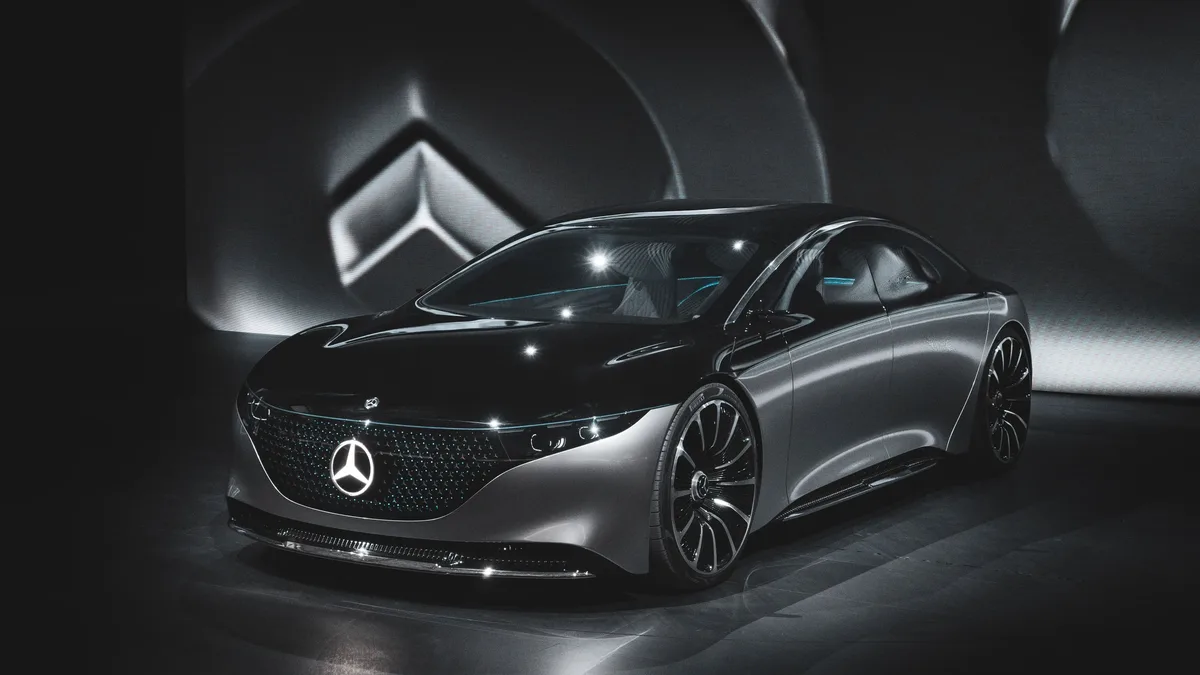
Brazil’s experience with imported vehicles is particularly telling. European and Japanese cars, homologated for E10 markets, run on E32 without issues. Even high-end brands like Ferrari, Lamborghini, and Porsche operate on E32, with no exemptions. Benvenutti emphasizes that manufacturers must ensure their vehicles are compatible with local fuel standards, regardless of volume. The only exceptions are grey-market imports, which arrive unmodified and may face ethanol-related issues.
## Long-term evidence: Brazil’s aging fleet
Brazil’s car ownership trends further support ethanol’s viability. High taxes and limited credit mean Brazilians keep their cars for decades, with many older vehicles exempt from annual taxes. Despite this, ethanol blends have not caused widespread failures. While anecdotal evidence suggests some wear on rubber components, the overall impact has been manageable. For India, the key takeaway is that while E20 may pose challenges, the risks are largely mitigated by proper calibration and material compatibility.