
Tata Motors
| Country of origin | India |
|---|---|
| Original use | Commercial and passenger vehicles |
| Engine configuration | Inline-four, diesel and petrol |
| Drive wheels | Front-wheel drive, four-wheel drive |
| Fuel type | Diesel, petrol, CNG |
| Average fuel economy | Moderate to high by segment |
| Vehicle types | Hatchback, sedan, SUV, truck, bus |
Origin and history
Tata Motors originates from India and was established in the mid-20th century. It began as a manufacturer of commercial vehicles, notably trucks and locomotives, under the larger Tata Group conglomerate. The company's entry into the passenger vehicle market came decades later, significantly expanding its product portfolio. Its historical development is deeply tied to the industrialization and economic policies of post-independence India. A pivotal moment was the launch of the Tata Indica in the late 1990s, marking India's first indigenously developed passenger car. The company's acquisition of the British luxury brands Jaguar and Land Rover in the 2000s represented a major strategic shift onto the global stage. Throughout its history, Tata Motors has maintained a focus on addressing the specific mobility needs of the Indian market while gradually building an international presence.
What it is designed for
Tata Motors designs vehicles primarily for durability and value in challenging operating conditions, particularly within developing markets. Its core passenger vehicles are engineered to withstand poor road surfaces, frequent overloading, and variable fuel quality commonly encountered in regions like India. A significant portion of its model range, especially in the SUV segments, is developed with a focus on providing capable family transportation at accessible price points. The commercial vehicle division designs trucks and buses specifically for high-utilization, low-maintenance cost operations in logistics and public transport. Furthermore, the company has a stated design commitment to enhancing safety, increasingly incorporating stronger passenger cell structures and more airbags as standard across its newer models.
Development and versions
Development at Tata Motors has historically followed a path of incremental evolution, often with long model lifecycles and iterative updates. Early passenger cars like the Indica and Indigo saw multiple facelifts and powertrain revisions over many years without complete platform overhauls. A major shift in development strategy occurred with the introduction of new, modern vehicle architectures in the 2010s, such as the ALFA (Agile Light Flexible Advanced) and OMEGA (Optimal Modular Efficient Global Advanced) platforms. These underpin current models like the Altroz, Nexon, and Harrier, representing a significant advance in design, safety, and driving dynamics. The company also develops and produces a wide range of powertrains, including diesel, petrol, and compressed natural gas (CNG) engines, reflecting diverse market fuel availability and cost sensitivities. Its electric vehicle development has accelerated, with versions like the Nexon EV and Tigor EV becoming prominent in India's EV market. Parallel to this, the Jaguar Land Rover wing operates its own distinct, separate development cycles for luxury and premium vehicles.
Pros and cons
A primary pro of Tata Motors vehicles is their exceptional build quality and perceived ruggedness, with many owners reporting minimal issues related to body integrity or mechanical fatigue over years of use. Ownership costs are generally low, aided by affordable spare parts and service networks widespread across India. A significant con is that interior fit and finish, along with cabin material quality, can feel dated and fall behind key competitors, even in newer models. Infotainment systems and electronic features, while improved, are frequently reported to suffer from software glitches, unresponsive touchscreens, or subpar audio quality. The common mistake is expecting a polished, refined driving experience; engines can be noisy, manual gearboxes notchy, and ride quality unsettled on smooth highways, which buyers prioritizing comfort may regret.
Who it suits
Tata Motors vehicles suit buyers whose primary concern is securing a durable, safe vehicle for a limited budget, particularly for urban or semi-urban use. They are a strong match for large families or individuals who prioritize cabin space and high seating position over dynamic handling or premium interior ambiance. The SUVs, in particular, suit drivers who regularly encounter broken roads, speed bumps, or occasional light off-road conditions where ground clearance is a practical advantage. They are also appropriate for cost-conscious commercial operators, such as taxi fleet owners, who value low running costs and proven mechanical longevity. The electric models suit early adopters in the Indian market seeking a credible, locally-supported EV for daily commuting.
Latest Tata Motors news
Latest reporting
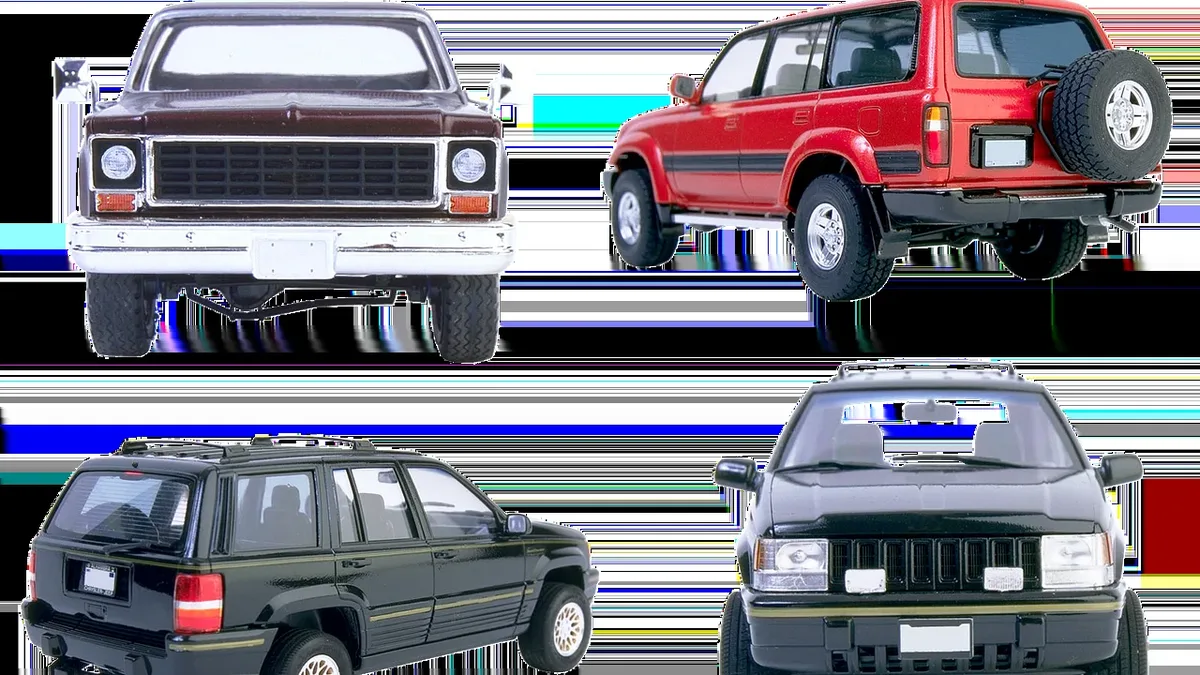
Tata Motors readies four new models for 2027 EV push
Tata Motors is planning a major 2027 product cycle with four new models, including the Safari EV, its first three-row electric SUV.
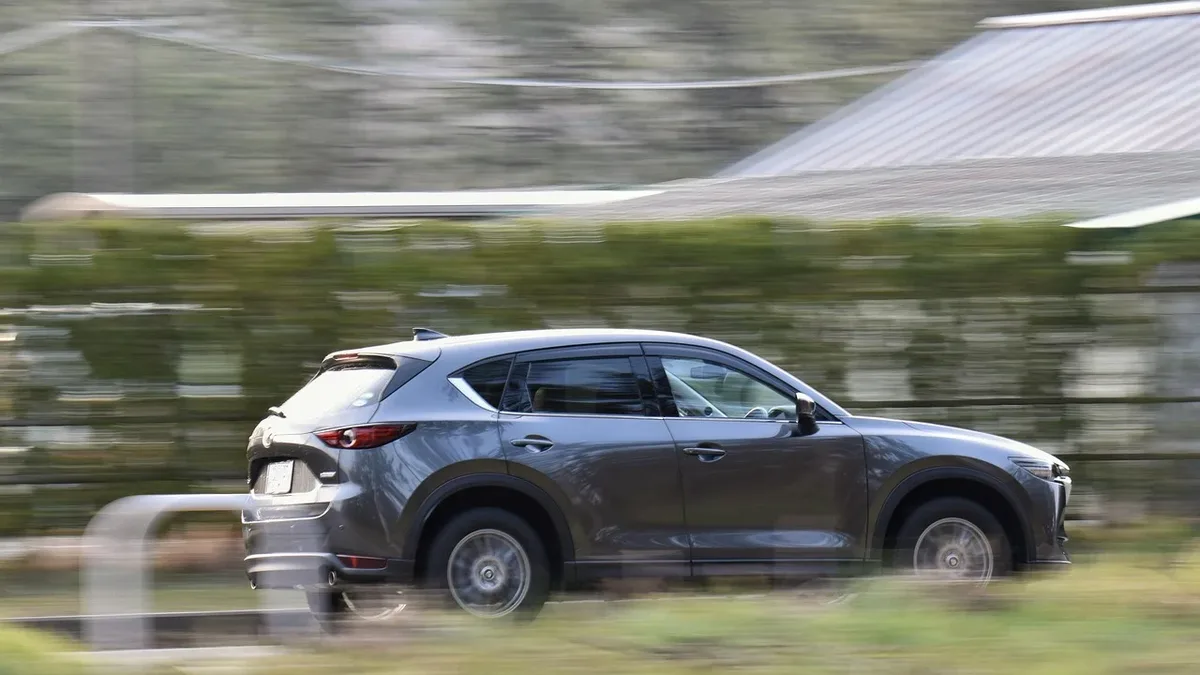
Next-Generation Tata Nexon Set for 2027 Debut
Tata Motors is preparing a full-generation redesign of the Nexon compact SUV, codenamed Garud, for launch in 2027. Spy shots reveal a boxier design.
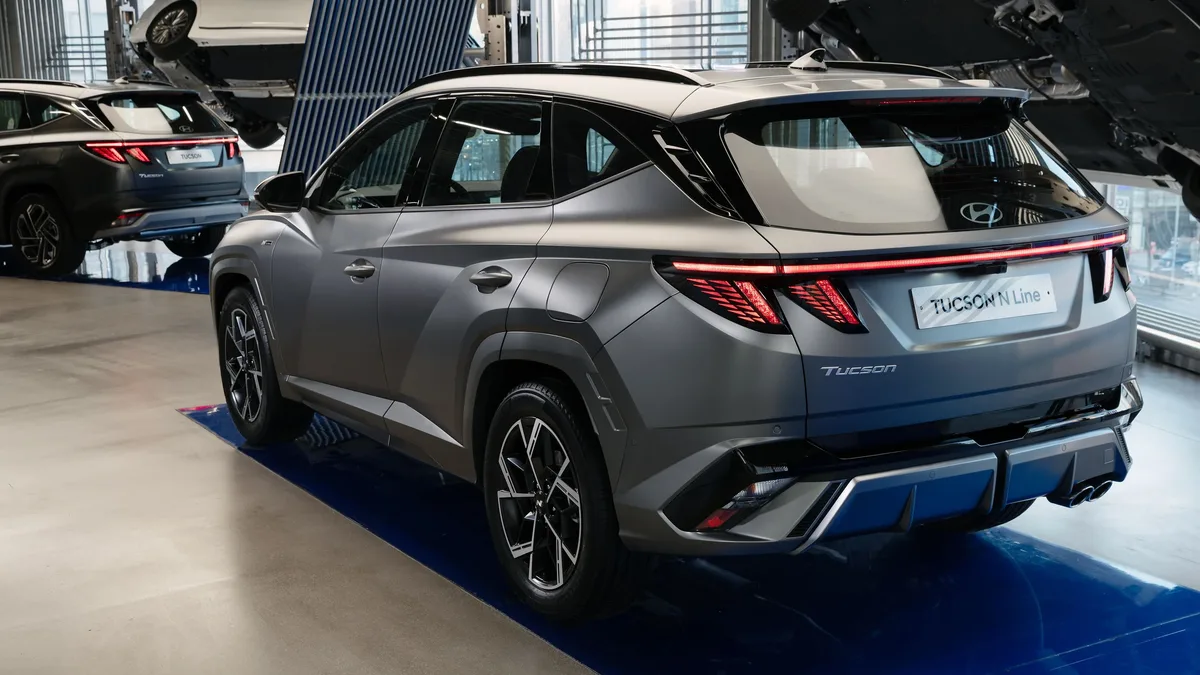
2027 Tata Nexon to Adopt New ATLAS Platform
The next-generation Tata Nexon, due in 2027, will move to the new modular ATLAS platform, bringing a boxier design, updated tech, and expanded...
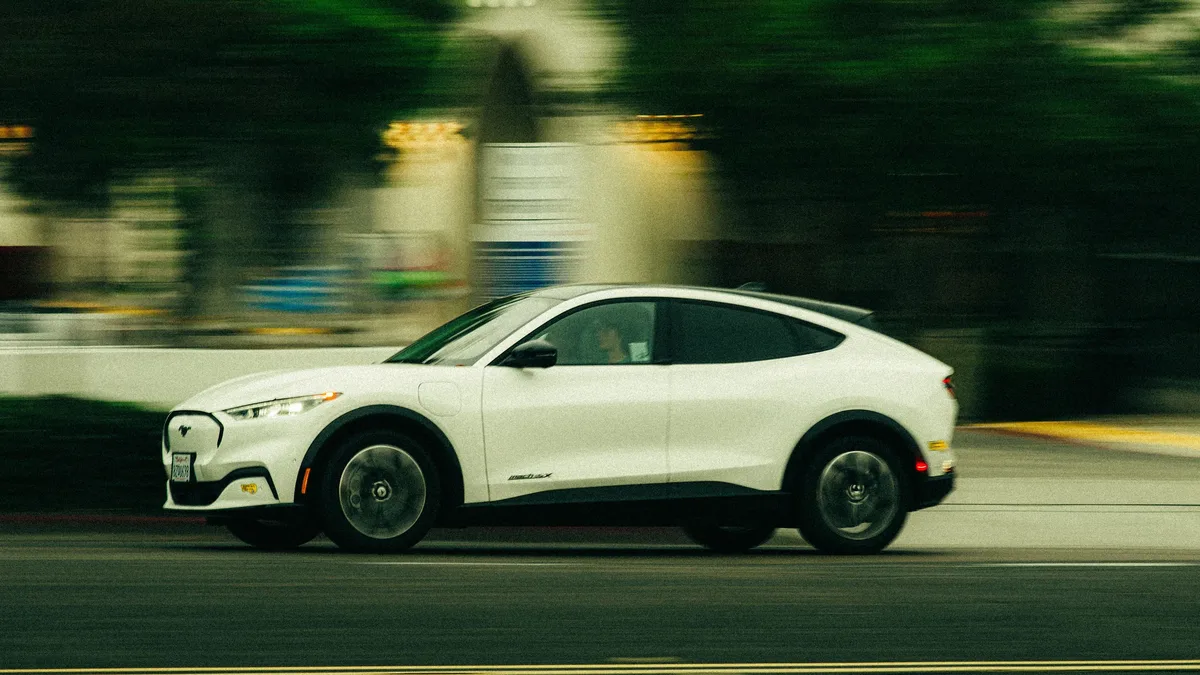
Tata Safari EV Launching in 2027 with Dual Battery Options
Tata Motors is road-testing the Safari EV ahead of an early 2027 launch, featuring 65 kWh and 75 kWh battery packs, Level 2 ADAS, and a panoramic...

Force Motors Electric Traveller Launch Set for Q1 2027
Force Motors will launch its first electric Traveller vans, including an ambulance variant, in early 2027 after completing ARAI homologation, backed...
Tata Motors developing Kuno midsize EV for 2027-28 launch
Tata Motors is developing a new midsize electric SUV, codenamed Kuno, targeting a 2027-28 launch to compete with the MG Windsor EV.