Tata Motors readies four new models for 2027 EV push
Tata Motors is planning a major 2027 product cycle with four new models, including the Safari EV, its first three-row electric SUV.

Tata Motors is preparing for a busy product cycle in 2027 with four new models. The company stated it is working on "a mix of new SUVs, electric vehicles and updates to existing models." This rollout includes the first three-row electric Safari EV and a next-generation Nexon, aiming to strengthen its position in India's evolving electric vehicle market.
The Safari EV will be Tata’s first three-row electric SUV. It is expected to use 65kWh and 75 kWh battery packs with a dual-motor all-wheel-drive configuration. The Nexon is due for a comprehensive overhaul, arriving on a new modular architecture. The new Nexon will support petrol, diesel, CNG, and electric powertrains, though its electric battery and motor specifications are yet to be announced.
Safari EV's Competitive Positioning
The Safari EV will enter the premium three-row EV segment, where it is expected to compete with the Mahindra XEV 9S. It was initially planned for a festive-season launch, but its final schedule remains unconfirmed. This model represents Tata's move into a more spacious and premium electric SUV category.
Nexon's Strategic Refresh
The next-generation Nexon represents a strategic expansion of powertrain options. While the current Nexon EV helped establish Tata as a major player, the new model will broaden its appeal by offering CNG and traditional fuels alongside electric power. This comes as competition has intensified with offerings from Mahindra, MG, and others.
Emerging Competitors in the Sub-15 Lakh Segment
Multiple new entrants are intensifying competition in the price-sensitive EV market below ₹15 lakh. Hyundai has the most clearly defined near-term launch programme with its Ioniq P, a compact electric SUV developed for India. Codenamed HE1i, it is expected to debut in the first quarter of 2027 and will be manufactured in Tamil Nadu.
The Ioniq P will compete with the Tata Punch EV, Tata Nexon EV, Mahindra XUV 3XO EV and Kia Syros EV. It will offer Standard Range and Long Range battery variants with next-generation infotainment and Level 2 ADAS. Battery sourcing will initially use Svolt cells, with locally manufactured cells from Exide planned later.
Maruti Suzuki is exploring a smaller electric crossover based on its Fronx model, which could be positioned below the e Vitara. An electric Fronx could compete with the Tata Punch EV and entry-level Nexon EV if priced below ₹15 lakh. Maruti has not confirmed this development or a launch timeline.
Global EV Players Entering India
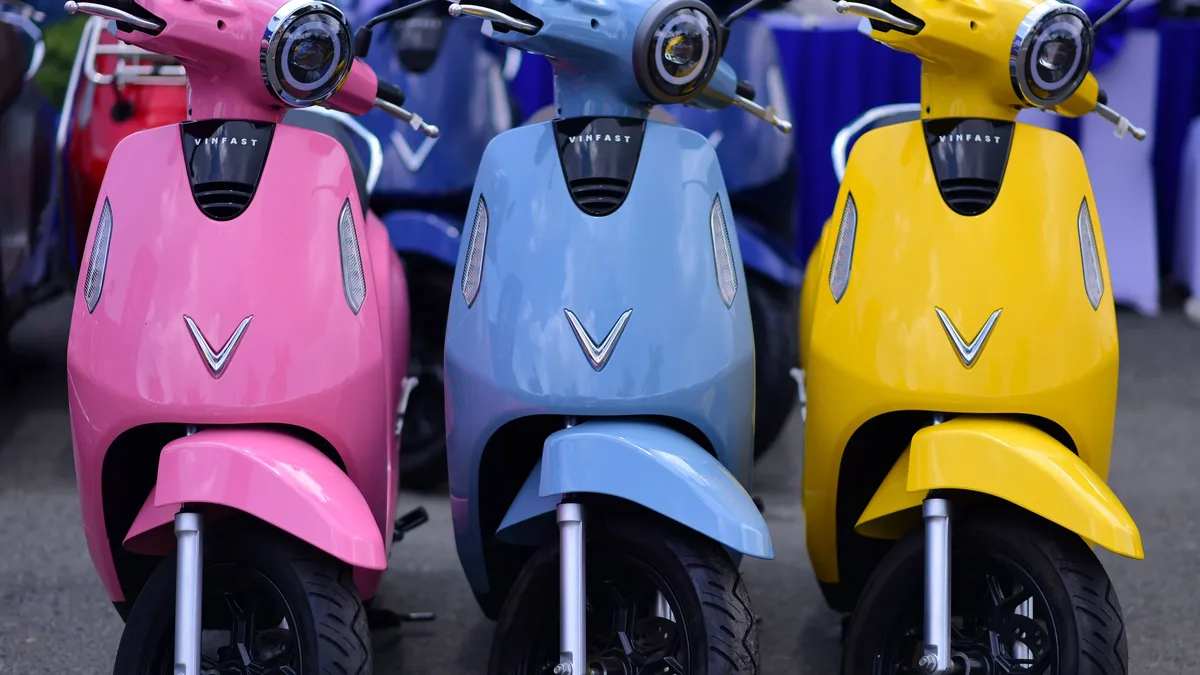
International manufacturers are adapting strategies for India's market. VinFast is developing two India-specific models, VF X and VF Y. The VF X targets a price below approximately $12,000 (sub-₹11 lakh) and is expected to be smaller than the VF 6 but larger than the VF 3. VinFast aims to increase local component sourcing and manufacturing scale to reduce costs.
Renault revised its affordable EV programme in 2024 after dropping an original A-segment proposal. It is now linked with electric derivatives of compact models and an electric version of its upcoming Bridger SUV, expected around late 2027.
Beyond the Nexon and Safari, Tata's 2027 plans include the premium Avinya SUV. Based on a dedicated born-electric architecture, the Avinya will offer a more sophisticated cabin, faster charging, and a premium ownership experience.
Success in the competitive sub-₹15 lakh segment depends on several factors. Battery packs account for a substantial portion of manufacturing costs, making localisation critical for affordable pricing. Charging convenience and real-world range are key for buyers, beyond laboratory-certified figures. Dealer network and ownership confidence also affect adoption, giving established brands an advantage.
Hyundai has the most clearly defined near-term launch programme among the discussed vehicles. Maruti Suzuki has a large customer base and extensive retail network, but its Fronx EV remains unconfirmed. VinFast's India-specific development could introduce pricing competition if localisation and scale are achieved. Renault has experience in small cars and local manufacturing but faces uncertainty about its EV model details and timelines.