Third-Gen Hyundai Creta Spied With Bold Redesign and Hybrid Potential
Hyundai is testing the third-generation Creta on public roads with a redesigned exterior, updated interior, and new K3 platform ahead of its 2027 market launch.

Hyundai has been testing the next-generation Creta multiple times on public roads in recent months ahead of its market launch sometime next year. The third-generation model adopts a substantially different exterior design and moves to the new K3 architecture, which could improve cabin space and overall dimensions.
The SUV is expected to get a more boxy and upright styling compared to the current model. Spy shots of heavily camouflaged prototypes reveal squarer proportions, a flatter roofline, and a more upright rear glass. The vehicle also appears visually wider from the rear section, giving the overall design a more planted, SUV-like appearance. The front profile features a large rectangular grille with block-style interior elements. Slim LED daytime running lamps are positioned in the upper section, while the main headlamp units will be located lower down. Changes to the bonnet structure are also expected.
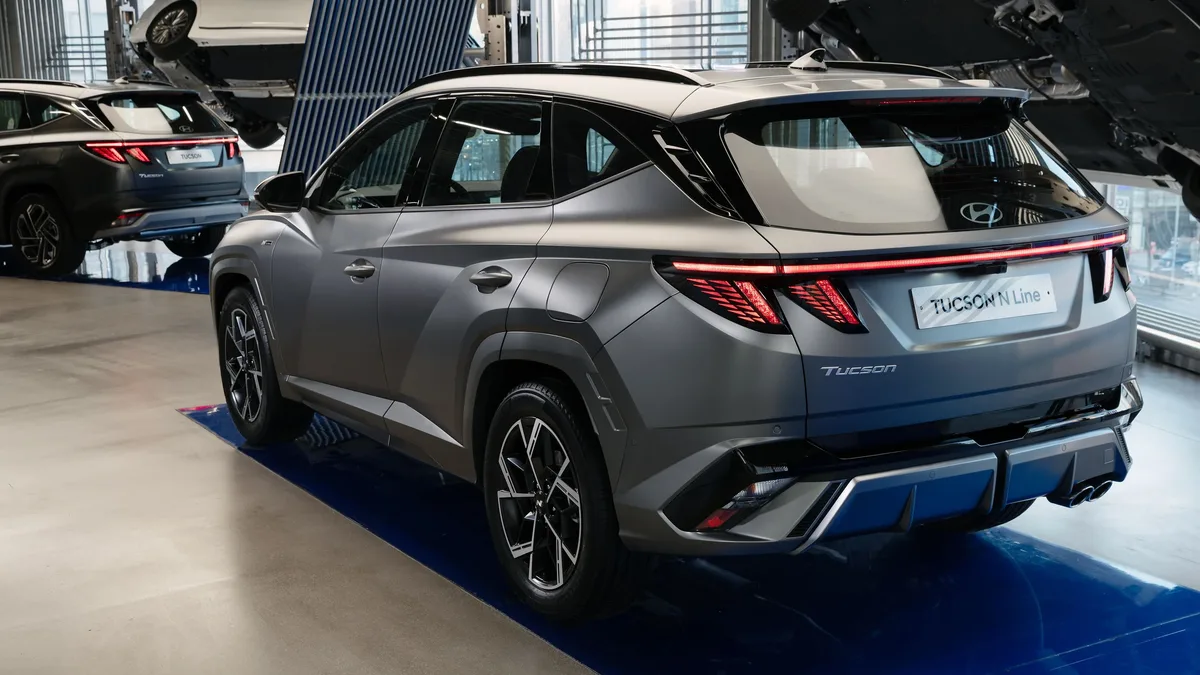
New alloy wheel designs are one of the most noticeable updates to the side profile. Flush-style door handles were also seen on some earlier prototypes. At the rear, spy shots reveal three horizontal LED elements on the outer ends of the tail-lamp clusters. A broad rear windscreen and a roof-mounted spoiler define the updated rear profile.
Interior and technology upgrades
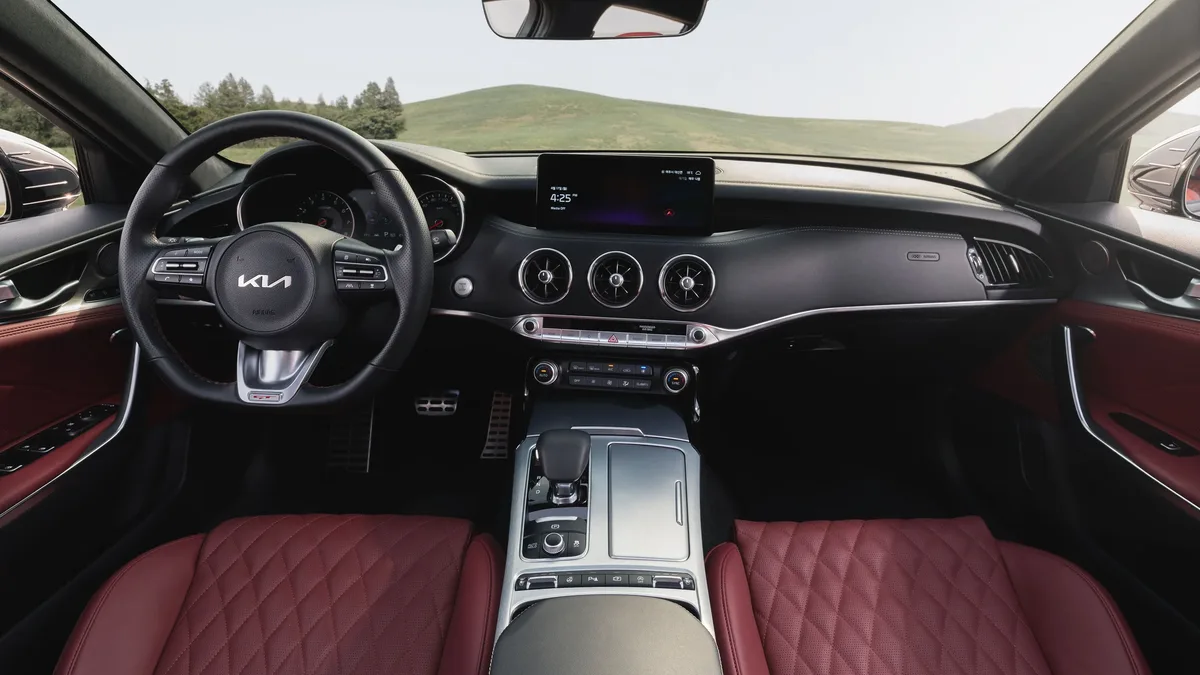
The cabin will change substantially with a new white and grey dual-tone finish, which may help free up more passenger room. The dashboard layout, seats, and trim materials will all be updated. Key features include a larger central infotainment display, a slimmer digital instrument screen, a new steering wheel, and revised buttons and controls. An armrest with cupholders for rear passengers is likely to continue, along with AC vents. Hyundai's Pleos Connect software is expected to feature on the new Creta. Camera pods were also spotted on the ORVMs, which could be part of a 360-degree camera system.
Powertrain and safety enhancements
The existing engine family is expected to largely continue. This includes a 1.5-liter naturally aspirated petrol, a 1.5-liter turbo-petrol, and a 1.5-liter diesel engine. The most intriguing possibility is a 1.5-liter strong-hybrid powertrain, which is expected to be an option but has not been officially confirmed. Such a move would allow the Creta to compete more directly with rivals like the Maruti Suzuki Grand Vitara and Toyota Urban Cruiser Hyryder.
Safety and driver-assistance technology will see a significant step up. The latest prototype features a radar sensor in the center of the lower front section, hinting at Level 2 ADAS technology. This is expected to be standard on top-spec trims. Upgrades like Level 2 ADAS and a possible strong-hybrid powertrain could make it more competitive in the segment.
The third-generation Creta will continue to compete in a crowded field of rivals. Its shift to the K3 architecture, which also supports the new Kia Seltos, supports larger exterior dimensions and a more spacious cabin. This platform change, combined with the bold new design and potential hybrid powertrain, positions the upcoming Creta to redefine its standing in the compact SUV segment.