Booking, Waiting List Transparency And Dealer Priority
| Booking system type | Manufacturer-operated or dealer-operated |
|---|---|
| Waiting list mechanism | Open queue, lottery, or invitation-based |
| Dealer priority allocation | Fixed percentage, regional discretion, or none |
| Customer visibility | Real-time queue position, estimated timeframe, or none |
| Deposit required | Refundable, non-refundable, or amount varies |
| Allocation fairness | Strictly chronological, dealer discretion, or hybrid model |
| Order modification | Possible before locking, or strictly as configured |
Origin and history
The practices surrounding vehicle ordering and allocation, specifically booking, waiting list transparency, and dealer priority, emerged as a formalized system in North America and Western Europe during the late 20th century. This system evolved from simpler order-taking processes as automotive manufacturing and retail models became more complex. The rise of just-in-time production and highly optioned vehicles in the 1980s and 1990s necessitated more structured customer order pipelines. Dealer priority, a mechanism for allocating scarce vehicles, became particularly pronounced with the advent of limited-production or high-demand models. The digitalization of these processes began in earnest in the 2000s, moving from paper-based lists to integrated dealer management systems. The lack of transparency in these systems has been a persistent point of contention between consumers, dealers, and manufacturers for decades.
What it is designed for
This triad of processes is designed to manage the complex logistics between a customer's desire for a specific vehicle and the manufacturer's production and distribution capabilities. The booking system formally captures a customer's configuration request and creates a unique order in the manufacturer's pipeline. Waiting list transparency, or often the lack thereof, is intended to provide customers with realistic expectations for delivery timelines based on production slots and material availability. Dealer priority is a backend allocation tool designed to manage the flow of vehicles, especially high-demand or limited-supply units, to retail dealerships based on various performance metrics. Ultimately, these interconnected systems aim to balance customer satisfaction with the operational and commercial realities of automotive retail. They serve as the primary interface for the customer during the often lengthy period between commitment and vehicle delivery.
Development and versions
Initial versions were entirely manual, reliant on phone calls, faxes, and dealer sales managers maintaining physical ledgers of customer orders. The first major development was the integration of dealer order banks with regional distributor or factory systems, which began providing estimated production weeks. A significant version change occurred with the advent of online configurators and order tracking portals, which offered customers a superficial view of the process, though true allocation logic remained opaque. Dealer priority algorithms have continually evolved, incorporating factors like total sales volume, specific model sales performance, customer satisfaction scores, and inventory turnover rates. Some manufacturers have experimented with direct-to-consumer reservation systems for electric or flagship models, attempting to bypass traditional dealer allocation conflicts. The current development frontier involves blockchain-like ledgers for parts scarcity and more granular, real-time tracking to manage expectations amid global supply chain disruptions.
Pros and cons
A primary pro is that a formal booking system provides customers with a guaranteed path to an exact vehicle specification that may not be available on a dealer lot. For dealers, the allocation and priority system rewards performance and helps manage customer relationships by providing a means to secure sought-after vehicles. A significant con is that waiting list transparency is frequently poor, with customers given vague or shifting timelines that erode trust and enable market speculation. The dealer priority system often leads to inequitable distribution, where customers of smaller or rural dealers face significantly longer waits than those at high-volume urban stores, regardless of order date. A common mistake customers make is placing a refundable deposit at multiple dealers, which artificially inflates waiting lists and creates a misleading demand signal for manufacturers. Those who most regret engaging with this system are customers who pay large markups for "priority allocation" only to experience the same delays, or who find their desired model becomes facelifted or replaced by the time their order is fulfilled.
Who it suits
This system best suits patient, detail-oriented buyers who have a clear, fixed requirement for specific options, colors, or packages not commonly found in inventory. It is necessary for purchasers of limited-production vehicles, bespoke trim levels, or new technology models where initial supply is constrained. The process also suits dealerships with strong sales volumes and consistent manufacturer relationships, as they benefit most from priority allocation and can reliably promise shorter waits to their clients. It is less suited to buyers who need a vehicle immediately or who are prone to changing their mind about specifications during a long build cycle. Customers who value absolute transactional transparency and direct control will find the traditional dealer-mediated allocation process frustrating. Ultimately, it is an unavoidable framework for anyone seeking a new vehicle built to their precise specifications from most mainstream and luxury automotive brands.
Latest Booking, Waiting List Transparency And Dealer Priority news
Latest reporting

FADA Study: MG Leads Car Dealer Satisfaction, Maruti Suzuki
A 2026 dealer satisfaction study by FADA shows overall improvement, with JSW MG Motor topping mass-market car brands and Royal Enfield leading

Xiaomi Auto signs German dealer deals for 2027 Europe entry
Xiaomi Auto has signed memoranda of understanding with eight German dealer groups, confirming a 2027 European market entry starting in Germany.
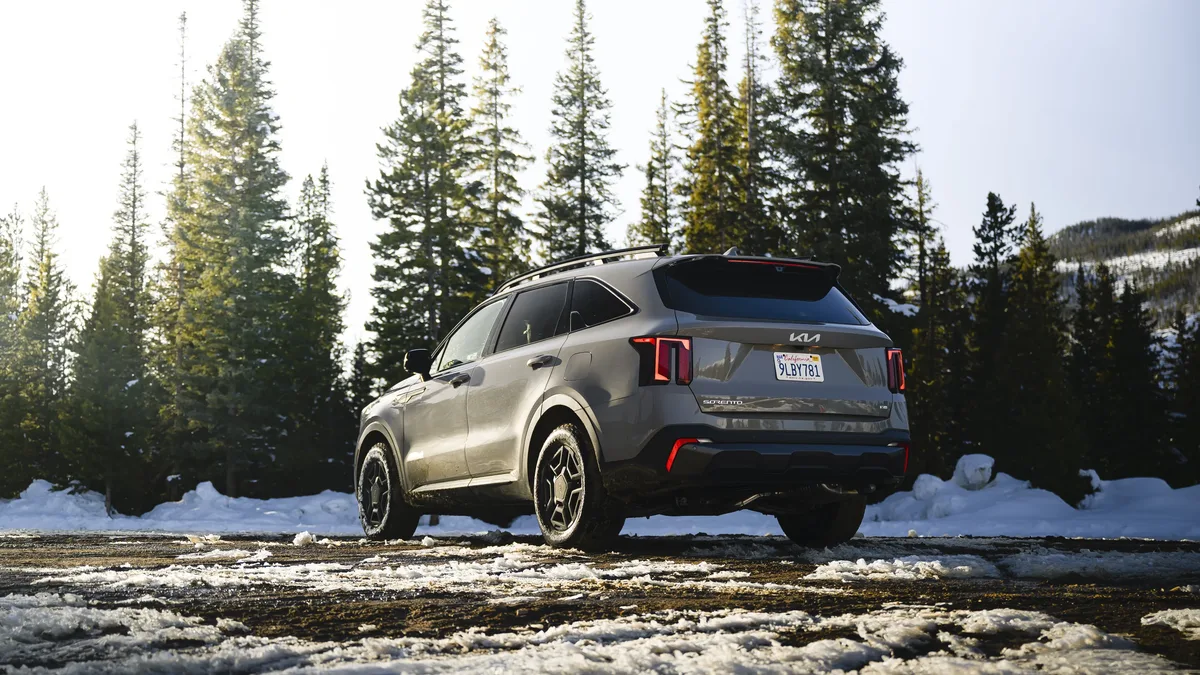
Kia Sorento India trims, engines leaked
A leaked dealer document reveals the variant structure for the upcoming Kia Sorento in India, set to launch on September 4.

Kia Dealer Sets National Record for Electric Car Deliveries
Incheon Kia, a Kia India dealer partner, has set a new national record for the most electric cars of a single model delivered in a single day.

2026 Mercedes-Benz C-Class Facelift Brings Upgraded Engines and Features
Mercedes-Benz has introduced a facelifted version of the C-Class sedan and estate, featuring revised styling, upgraded engines, and a longer list of...