
Air Conditioning Performance In High Heat
| Road test verdict | Struggles with cabin cooling and performance degradation at extreme ambient temperatures |
|---|---|
| True cost of living | Increased energy consumption and strain on system components, leading to higher running costs and potential repair frequency |
| Primary cooling capacity | Often insufficient relative to peak heat load |
| System efficiency drop-off | Significant in sustained high ambient temperatures |
| Compressor strain | High, increasing wear and failure risk |
| Refrigerant type | Varies by system age and region |
| Optimal operating range | Typically below 95°F (35°C) ambient for standard residential systems |
Origin and history
Air conditioning performance in high heat as a critical automotive metric emerged from the consumer and testing culture of the United States. Its formalization as a standard evaluation criterion began in the late 20th century, coinciding with the widespread adoption of air conditioning in personal vehicles. The intense summer climates of regions like the Southwestern U.S., specifically Arizona and Nevada, provided a natural proving ground. Automotive journalists and independent testing organizations began conducting standardized high-heat testing in the 1990s and 2000s. This practice evolved from anecdotal owner complaints into a disciplined, repeatable component of vehicle assessment. The focus on performance in extreme conditions reflects a broader shift towards quantifying real-world livability beyond base specifications.
What it is designed for
This metric is designed to evaluate a vehicle's ability to maintain a comfortable cabin temperature during sustained operation in ambient temperatures exceeding approximately 95 degrees Fahrenheit (35 degrees Celsius). It assesses the capacity and efficiency of the entire climate control system, not just the compressor. The testing simulates real-world scenarios such as entering a sun-soaked car parked outdoors and cooling it down, or maintaining comfort on a prolonged highway drive through a desert. It measures the system's ability to manage both sensible heat from the air and radiant heat from solar loading through the glass. The evaluation also considers system noise, airflow distribution to rear passengers, and the impact on overall vehicle performance. Ultimately, it determines whether the air conditioning is merely a listed feature or a robust system capable of fulfilling its primary function under duress.
Development and versions
Early vehicle air conditioning was largely a binary feature, with simple on/off controls and limited regard for extreme climate performance. Development has progressed through several key phases, focusing on increased compressor efficiency, refrigerant changes for environmental compliance, and advanced system integration. The introduction of automatic climate control systems represented a significant version, adding sensors and logic to maintain set temperatures more consistently. The widespread adoption of variable-displacement compressors marked another major development, improving fuel efficiency and cooling modulation compared to older cycling-clutch systems. More recent advancements include the integration of heat-pump technology in electric vehicles, which must provide cooling without the engine waste heat, and sophisticated solar-reflective glass and cabin pre-conditioning via smartphone apps. The latest iterations focus on managing the high electrical load of air conditioning in electric vehicles to minimize its substantial impact on driving range in extreme heat.
Pros and cons
A primary pro of a highly effective high-heat air conditioning system is the preservation of occupant comfort and safety, reducing driver fatigue and stress on long, hot journeys. It allows the vehicle to serve as a reliable haven in extreme climates, a critical factor for families, older adults, or those with health conditions. The main con is that powerful systems, especially older designs, can impose a significant parasitic load on the engine, noticeably reducing fuel economy and sometimes diminishing acceleration. In electric vehicles, the energy draw from a powerful air conditioner can substantially reduce the vehicle's operating range, a major drawback on road trips. A common regret occurs when buyers in temperate climates overlook this metric and later take a summer road trip to a hotter region, finding the system inadequate. The frequent mistake is equating the presence of automatic climate control or multiple zones with high-output performance, when the underlying compressor and condenser capacity are the true limiting factors.
Who it suits
This performance metric is supremely important for individuals who live in or frequently travel through desert and tropical climates, such as the Southern United States, the Middle East, or Australia. It suits families with young children or pets, for whom a quickly and effectively cooled cabin is a non-negotiable safety feature. Ride-share and taxi drivers, who operate their vehicles for extended hours in all conditions, will prioritize a robust and durable system. It is critical for electric vehicle buyers planning to use their car in hot regions, as they must balance cooling effectiveness with its direct impact on range. Conversely, it holds less weight for those whose driving is predominantly in mild, coastal climates or for secondary vehicles used for short, local trips. Ultimately, it is a key consideration for any buyer for whom a vehicle is a primary refuge and tool during the most demanding seasons.
Latest Air Conditioning Performance In High Heat news
Latest reporting
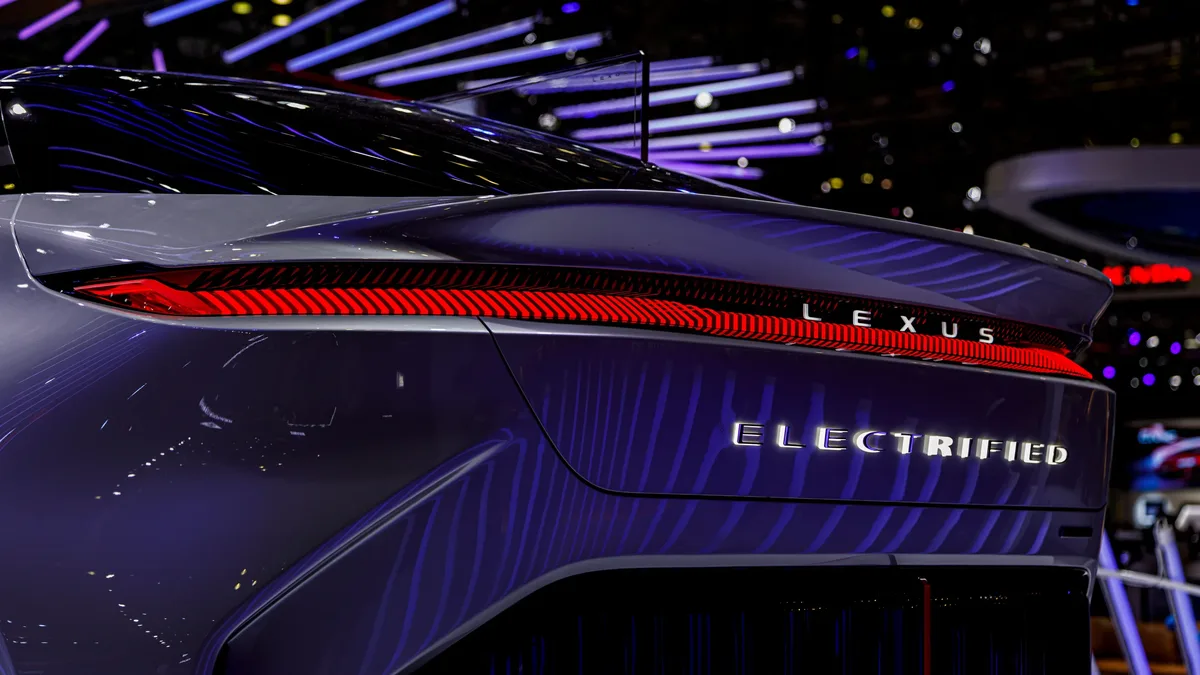
BMW i5 LWB and Lexus ES 500e Specs Compared
A detailed comparison of the BMW i5 LWB and Lexus ES 500e luxury electric sedans reveals key differences in dimensions, performance, features, and...
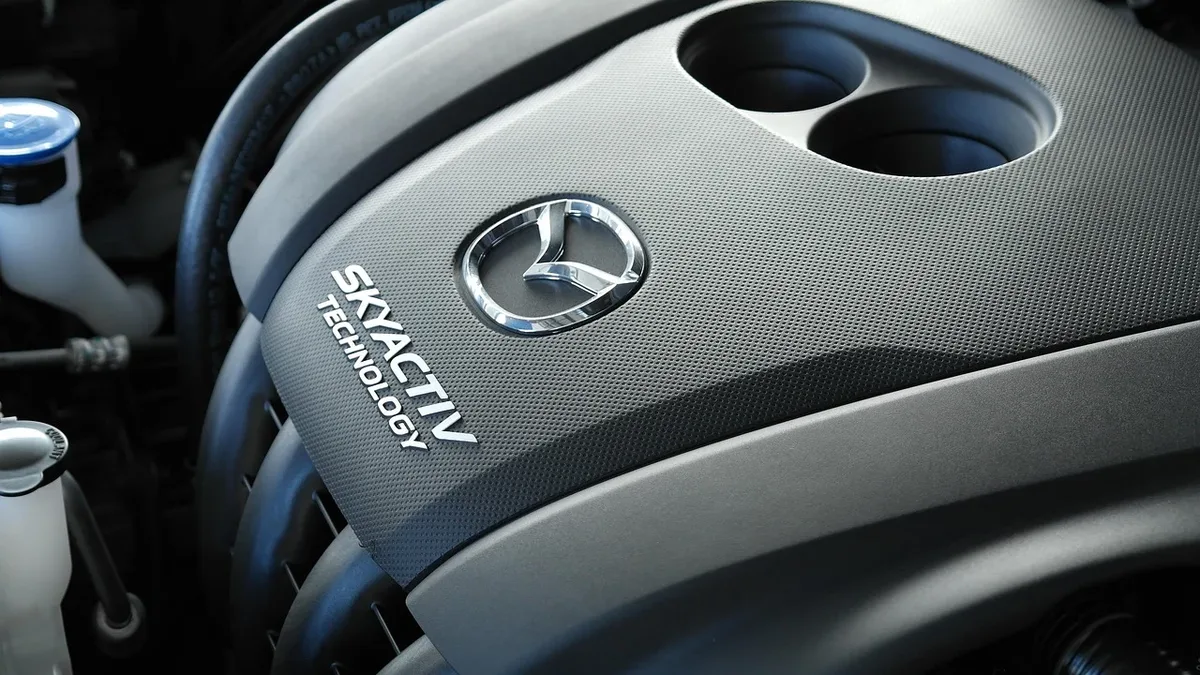
Mazda 3 1.5L High Plus debuts in Malaysia at RM121k
Mazda Malaysia has introduced a more affordable 1.5-litre High Plus variant of the Mazda 3, priced from RM120,620.

Bufori CS8 Malaysian sports car review
The hand-built Bufori CS8 sports car, powered by an 810 hp supercharged V8, is priced from RM2.19 million. A prototype drive reveals its monumental...

Yamaha XSR900 SP Spotted in US Filings
Yamaha's high-spec XSR900 SP variant appears in US regulatory documents, hinting at a performance-focused neo-retro motorcycle.
2027 Maserati Grecale Review: V6 Sense
The updated 2027 Maserati Grecale receives styling tweaks, interior refinements, and a new V6 engine option, making it a more compelling choice in...

Lamborghini Revuelto SV: Track-Focused Supercar Unveiled
Lamborghini has unveiled the Revuelto SV, a track-focused variant of its PHEV supercar. The Revuelto SV boasts a more aggressive design, increased...