10 20 Lakh
| Model name | 10 20 Lakh |
|---|---|
| Country of origin | India |
| First created | 2020s |
| Original use | Personal urban transportation |
| Body style | Hatchback |
| Powertrain | Electric |
| Drivetrain | Front-wheel drive |
Origin and history
The 10 20 Lakh originates from the Indian automotive market in the early 21st century. This term does not refer to a single model but to a broad price segment for new cars. It emerged as a critical market bracket as India's economic growth accelerated in the 2000s and 2010s. The phrase itself is derived from the Indian numbering system, where "lakh" denotes one hundred thousand. Therefore, "10 20 Lakh" literally describes vehicles priced between approximately one million and two million Indian rupees. This segment became the fiercely competitive heart of the passenger vehicle market, encompassing everything from premium hatchbacks to entry-level SUVs.
What it is designed for
This price bracket is designed to meet the demands of India's growing aspirational middle-class families. Vehicles in this segment are engineered to offer a significant step up in features, space, and perceived quality from more affordable entry-level cars. A primary design goal is to provide a balanced blend of practicality for daily urban commuting and comfort for occasional long-distance highway travel. Manufacturers focus on delivering modern interiors with connectivity features, improved safety equipment, and more powerful engines than those found in budget models. The design also heavily considers the need for fuel efficiency and manageable running costs within an Indian context. Ultimately, cars in this segment are intended to symbolize a key milestone of personal and financial achievement for many buyers.
Development and versions
Development within the 10 20 Lakh segment has been driven by intense competition and rapidly changing consumer expectations. Initially dominated by sedans and premium hatchbacks, the segment saw a massive shift towards compact SUVs and crossovers from the mid-2010s onward. Manufacturers continually develop new versions and facelifts with more aggressive styling, larger touchscreen infotainment systems, and advanced driver aids to stand out. Powertrain development has diversified to include turbocharged petrol engines, efficient diesel options (though declining), and more recently, strong hybrid and pure electric variants. Platform development focuses on modular architectures that can underpin multiple body styles for cost efficiency. The evolution is marked by a constant feature war, where equipment once reserved for luxury cars, like sunroofs and ventilated seats, has become commonplace.
10 20 Lakh specs
Specifications vary widely across the dozens of models competing in this price segment, but key benchmarks have been established. Powertrains typically range from 1.0-litre to 1.5-litre turbo-petrol engines, with power outputs commonly between 110 to 150 horsepower. Transmission options almost always include a manual gearbox and an automatic, usually a CVT, torque converter, or dual-clutch unit. Infotainment screens are now standard, with sizes from 7-inch to 10-inch becoming the norm, supporting Android Auto and Apple CarPlay. Standard safety equipment has risen significantly, with six airbags, electronic stability control, and rear parking cameras becoming expected features in many models. Interior space is a critical spec, with manufacturers prioritizing rear legroom and boot capacity to suit family needs.
10 20 Lakh problems
Common problems in this segment often stem from the intense cost pressures of meeting a specific price point while packing in features. Build quality and material durability can be inconsistent, with reports of interior trim rattles, uneven panel gaps, or upholstery that wears prematurely. The complex new turbocharged petrol engines, while powerful, can sometimes feel strained in stop-start traffic and may not deliver the promised real-world fuel efficiency. Feature-loaded infotainment and climate control systems can suffer from software glitches, unresponsive touchscreens, or compatibility issues with smartphones. Ride quality is a frequent compromise, as firmer suspension tuning for handling can lead to a jittery experience on broken urban roads. Long-term reliability of newly introduced transmission technologies, particularly some dual-clutch units, remains a concern for owners planning to keep vehicles beyond five years.
Overview
The 10 20 Lakh segment represents the most dynamic and challenging arena in the Indian car market. It is a zone where buyers are highly informed and expectations are exceptionally high, covering everything from design and performance to technology and resale value. Ownership here is as much about emotional appeal and social standing as it is about practical transportation. The sheer variety means there is no single best choice, with stark differences in focus between a practical sedan, a feature-rich hatchback, and a rugged-looking SUV. The long-term cost of ownership, including insurance, service costs, and depreciation, varies dramatically between brands and body styles. Navigating this segment requires careful prioritization of needs over wants, as the allure of abundant features can often overshadow more fundamental vehicle qualities.
What to know
Prospective buyers should know that the ex-showroom price is just the starting point, with on-road costs adding a significant 15-25% due to insurance, registration, and taxes. The advertised fuel efficiency figures are derived from standardized laboratory tests and real-world mileage will often be notably lower, especially for turbo-petrol automatics in city conditions. Resale value is heavily influenced by brand perception and model popularity, with some manufacturers and body styles holding their value far better than others. It is crucial to test-drive a vehicle on roads you normally use, as a comfortable test route may not reveal a stiff ride or poor visibility in dense traffic. The top variant of a cheaper brand may offer more features than the base variant of a premium brand, forcing a choice between equipment and badge appeal. Always verify the actual availability and cost of spare parts, as low service costs advertised by a manufacturer may not reflect reality for out-of-warranty repairs.
Common questions
A common question is whether to buy a top variant of a car from a value brand or a base variant of a car from a premium brand within this budget. Buyers frequently ask about the real-world reliability and maintenance costs of new turbo-petrol engines compared to the older naturally-aspirated units. Many wonder if it is worth waiting for a newly launched model or buying a heavily discounted outgoing model that may lack the latest features. The necessity of extended warranty packages and their specific terms is a recurring point of inquiry, given the complexity of modern electronics. People often question the practical benefits of features like sunroofs, connected car technology, and ADAS in Indian driving conditions. There is also consistent debate over the choice between a diesel, petrol, strong hybrid, or electric vehicle in this segment, focusing on fuel cost savings versus upfront price premium.
Pros and cons
The primary pro of this segment is the exceptional value and variety offered, delivering technology, safety, and comfort previously unavailable at this price point. A significant con is the feature-driven compromise on fundamental engineering; a car may have a large screen but poor seat support, or a powerful engine paired with a hesitant transmission. Buyers who prioritize long-term durability and low running costs over flashy gadgets often regret certain choices, as some models prove expensive to maintain after the warranty expires. A common mistake is being seduced by aggressive exterior styling or a long feature list without evaluating cabin ergonomics, all-round visibility, and boot usability for daily life. The intense competition is a pro for driving innovation but a con for resale value, as rapid model updates can make a two-year-old car feel obsolete. The segment's greatest weakness is its homogeneity; many models feel similar in their pursuit of the same checklist, with few offering a truly distinctive or engaging driving experience.
Who it suits
This segment suits the upwardly mobile urban or suburban family for whom a car is a key lifestyle asset and a daily necessity. It is ideal for buyers seeking a substantial upgrade from a first car, wanting more space, power, and prestige without stepping into the luxury market. The variety suits the practical buyer who needs a dependable, feature-loaded sedan for highway commuting as well as the style-conscious buyer wanting a rugged-styled SUV for weekend trips. It is a good fit for tech-savvy individuals who prioritize in-car connectivity and the latest driver-assistance features in their purchasing decision. The segment also suits value-conscious buyers who are willing to research thoroughly to find the best package of equipment, safety, and running costs for their budget. It is less suited to those with very limited parking space, extremely tight budgets for maintenance, or buyers who prioritize driving engagement over comfort and features.
Latest 10 20 Lakh news
Latest reporting
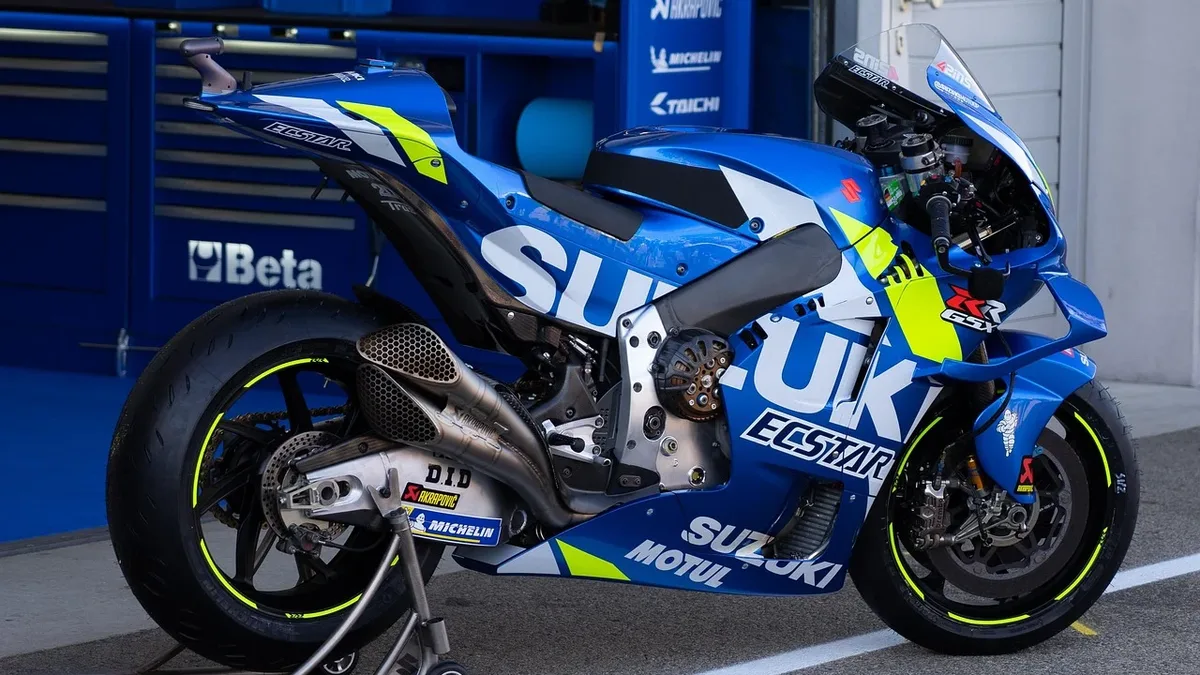
Suzuki Hayabusa Special Edition launch India
Suzuki Motorcycle India has launched the 2026 Hayabusa Special Edition at Rs 19.90 lakh ex-showroom Delhi. The model features exclusive Pearl Vigor...
Tata Motors launches Aeris sedan with features across four
Tata Motors has launched the Aeris, a comprehensive update and rebranding of the Tigor sub-4 metre sedan, starting at Rs 5.29 lakh.
Mahindra Thar OG Review: New Platform, Higher Price
Mahindra launches the Thar OG, a mechanically upgraded 3-door off-roader with a new platform, suspension, and refined engines, priced from Rs 10.32...
Tata Aeris Launches in India with Dual-Cylinder CNG
Tata Motors has launched the Aeris compact sedan, a comprehensive facelift of the Tigor, starting at Rs 5.29 lakh.
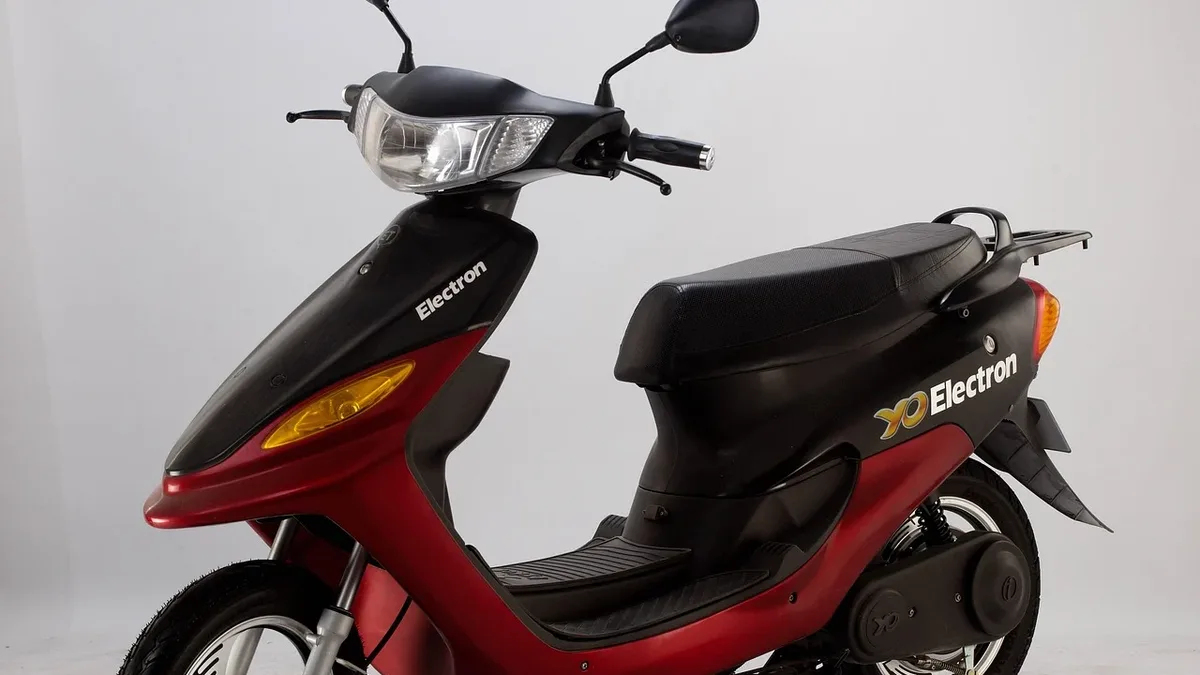
Honda launches QC3 electric scooter at Rs 1.35 lakh
Honda has launched its QC3 electric scooter in India at Rs 1.35 lakh. The model features a 3kWh battery, 32 litres of storage, and will be initially...
Honda launches updated CB350 range in India
Honda has launched its refreshed CB350, CB350RS, and CB350C motorcycles in India, with eight variants priced between Rs 1.95 lakh and Rs 2.05 lakh.