Hyundai Bayon SUV Launches With Tech And Value Edge
Hyundai's new Bayon compact SUV starts at Rs 9.99 lakh, undercutting rivals while offering a 1.5-litre petrol engine, advanced ADAS, a generative AI assistant, and a 5-star safety target.
Hyundai Motor India has launched the Bayon SUV, with prices starting from Rs 9.99 lakh. The new model, positioned between the Venue and Creta, undercuts almost all of its immediate rivals.
Prices range from Rs 10 lakh to Rs 18 lakh. This undercuts its chief rival by Rs 50,000 at the entry level, while the top-spec variant is Rs 57,000 more expensive. Hyundai Motor India said: "Prices for Hyundai Bayon start from Rs 9.99 lakh and it undercuts almost all of its immediate rivals."
Design and Dimensions
The Bayon measures 4,245mm in length. It is 115mm shorter than the Maruti Suzuki Victoris and 50mm lower, but 15mm wider. Its wheelbase is 2,600mm, identical to the Victoris but 10mm shorter than the Creta. The SUV features 205mm of unladen ground clearance and unique two-tone 17-inch alloy wheels for India.
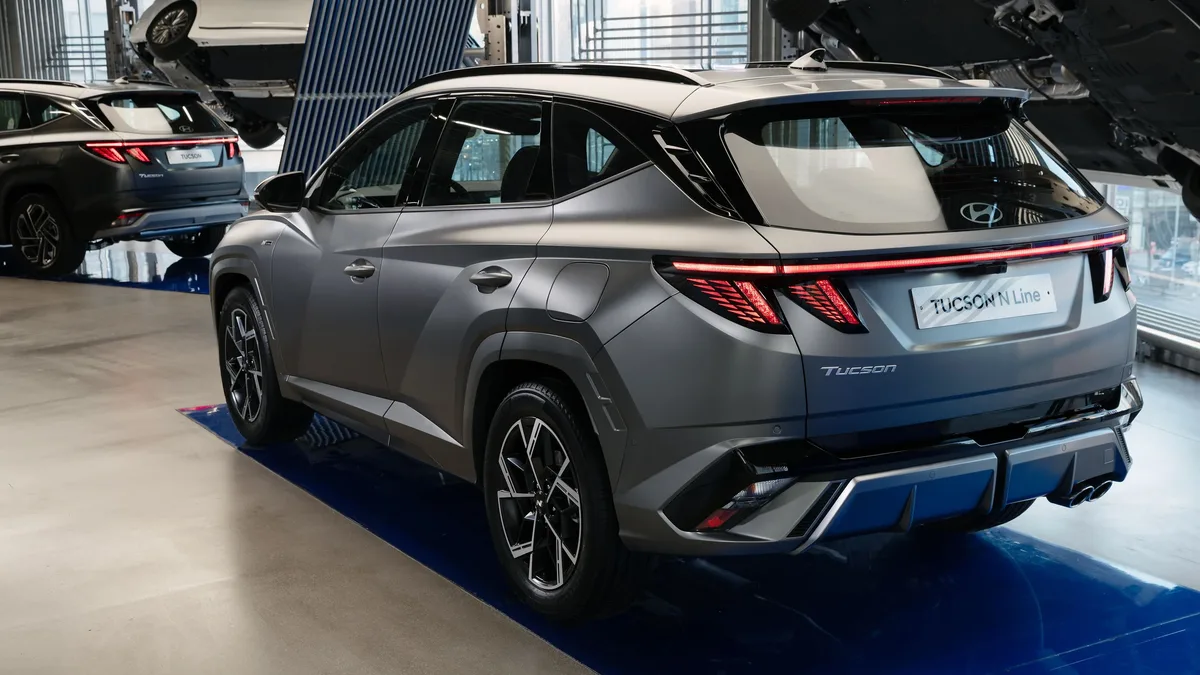
The design features striking LED lighting and exaggerated black plastic cladding. A sloping windscreen and large spoiler with a vertically stacked stop lamp define the rear. The two-tone rear bumper houses a split tail-lamp design.
Powertrain and Performance
The Bayon is powered by a 1.5-litre naturally aspirated petrol engine. It produces 115 PS of peak power and 143.8 Nm of peak torque. Buyers can choose between a 6-speed manual transmission or a stepped CVT automatic.
| Feature | Specification |
|---|---|
| Engine | 1.5-litre petrol |
| Power | 115 PS |
| Torque | 143.8 Nm |
| Transmission | 6-speed MT or CVT |
| Drive Modes | Eco, Normal, Sport |
The manual gearbox is noted for its slick, short, and precise shifts with low effort. The CVT includes paddle shifters for manual control, simulating eight gear ratios. It also features Eco, Normal, and Sport drive modes, plus a Dash mode activated by aggressive throttle inputs.
The ride quality is composed with firm suspension, offering a distinctly European character. It is noticeably stiffer than the Creta but never harsh. Body control is well managed with minimal roll. Steering is sharp and responsive, with effort increasing in Sport mode. Braking is sure-footed with a positive pedal feel.
Technology and Features
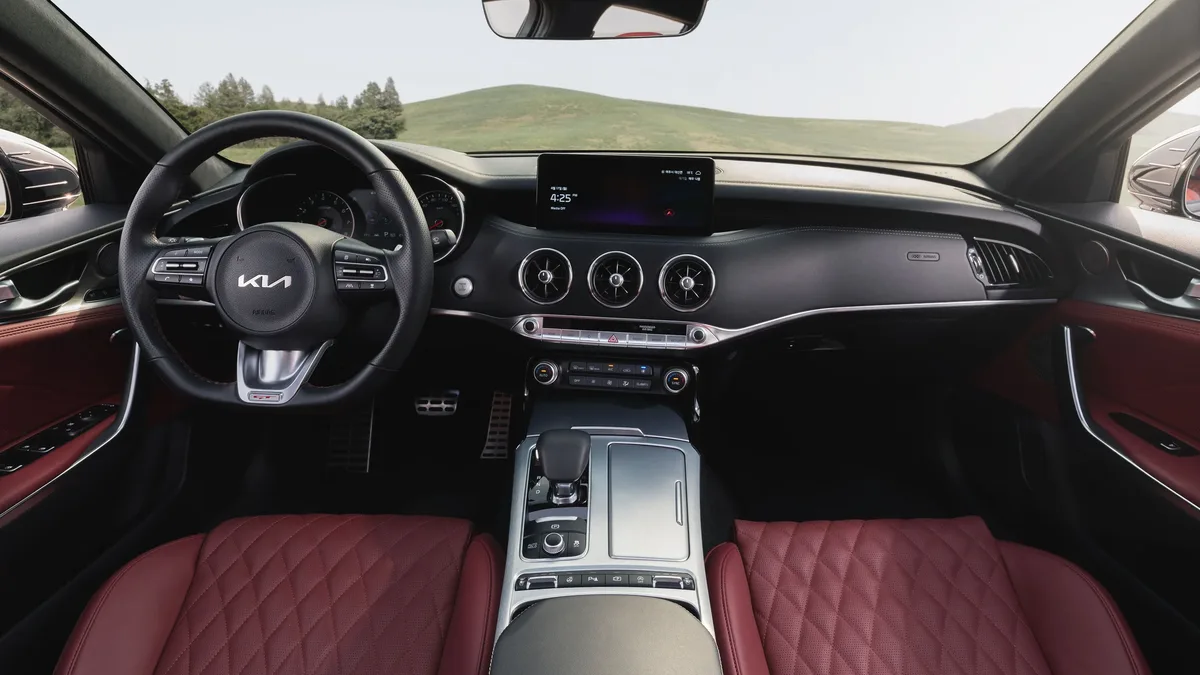
A major highlight is the 'Command Centre' with twin 12.3-inch screens for the instrument cluster and infotainment. The system includes wireless Android Auto and Apple CarPlay. It is Hyundai's first offering with a generative AI voice assistant, powered by Perplexity and Soundhound AI. The assistant supports over 500 embedded voice commands in multiple regional languages.
The cabin features premium leatherette upholstery, soft-touch door trims, and fabric dashboard inserts. Ambient lighting, a D-cut steering wheel, and a panoramic sunroof are included. A Bose premium audio system with a subwoofer, wireless charging, and auto AC are also fitted.
The vehicle is built on the Global K Enhanced platform with integrated AI and over-the-air updates. It features Hyundai's Level 2+ Pro ADAS suite with up to 23 autonomous features. These include navigation-based adaptive cruise control, lane-keep assist, forward-collision assist, and blind-spot monitoring.
Practicality and Safety
Boot capacity is up to 505 litres, which includes space for a spare wheel. The rear seats have a 60:40 split function. The cabin offers good rear seat comfort with a two-step recline function, though the low roofline can compromise headroom for taller occupants.
Standard safety equipment is comprehensive. It includes six airbags, electronic stability control, anti-lock brakes with EBD, and a tyre pressure monitoring system. Hyundai claims the Bayon’s platform can achieve a 5-star crash test rating from Indian safety agencies. A notable omission is the lack of rear sunshades.
The Bayon is launched with a sole petrol engine, with a CNG version slated for January 2027. It makes a compelling case over the petrol Creta for buyers preferring fresher design and a contemporary cabin. Its likeable nature and ease of use make it well worth considering.