20 40 Lakh
| Model name | 20 40 Lakh |
|---|---|
| Country of origin | India |
| First created | 2020s |
| Original use | Personal urban transport |
| Body style | Hatchback |
| Powertrain | Electric |
| Seating capacity | 4 to 5 |
| Driving range | 200 to 300 kilometers per charge |
Origin and history
The term "20 40 Lakh" originates from the Indian subcontinent, specifically India, and came into common automotive usage in the late 20th to early 21st century. It is not a specific vehicle model but a widely used price bracket within the Indian car market. This categorization emerged as a direct response to the rapid economic growth and expanding middle class in India from the 1990s onward. The terminology reflects the local numbering system where a "lakh" denotes one hundred thousand units of currency. This price segment became a critical battleground for manufacturers aiming to capture the largest volume of new car buyers. Its establishment as a reference point coincided with the liberalization of the Indian economy and the subsequent influx of global automakers. The phrase is now a staple in automotive journalism and consumer research for classifying a vast array of vehicles available to a budget-conscious yet aspirational audience.
What it is designed for
This price bracket is designed to cater to the primary needs of Indian families seeking a new car as a major household investment. It targets buyers who require a vehicle for daily commuting, weekend family trips, and occasional long-distance travel on varied road conditions. The cars within this range are engineered to balance upfront affordability with acceptable levels of feature content, space, and perceived prestige. A key design imperative is fuel efficiency, given the high sensitivity to running costs among buyers in this segment. Manufacturers also design these vehicles to withstand the specific challenges of Indian infrastructure, including rough roads, extreme heat, and dense urban traffic. Ultimately, the segment is designed to deliver a package that feels like a significant upgrade from entry-level models without venturing into luxury territory, fulfilling aspirations for modern design, safety, and convenience.
Development and versions
Development for vehicles in the 20-40 Lakh rupee range is intensely competitive, leading to rapid iteration and model proliferation. Global platforms are often heavily localized, with modifications to suspension tuning, engine calibration, and feature sets to suit Indian preferences and cost targets. A major trend has been the segmentation into distinct body styles within the same price band, including compact SUVs, sedans, and premium hatchbacks. Versions are typically stratified into multiple trim levels, with base variants focusing on essential mechanics and top variants packed with connectivity, sunroofs, and advanced driver aids. The decade from 2010 to 2020 saw a significant shift from diesel-dominated powertrains to turbocharged petrol and hybrid options, driven by changing fuel prices and regulations. Continuous development focuses on adding perceived value through larger touchscreens, LED lighting, and more airbags to meet both consumer demand and evolving safety norms.
20 40 Lakh specs
Specifications within this bracket vary widely but converge on certain common expectations for the price. Powertrains typically range from 1.0-liter to 1.5-liter turbocharged petrol engines, with power outputs between 110 and 150 horsepower, while diesel options, where available, are usually 1.5-liter units. Transmission choices almost universally include a 6-speed manual, with many models offering a 6-speed automatic, a CVT, or a dual-clutch transmission as an option. Safety specifications have become a key differentiator, with many models now offering six airbags, electronic stability control, rear parking sensors, and a camera as standard or on higher trims.
20 40 Lakh problems
Common problems in this segment often stem from the intense cost-engineering required to meet the price point while packing in features. Build quality and material durability can be inconsistent, with reports of interior trim rattles, uneven panel gaps, and premature wear on frequently touched surfaces. The complex infotainment and digital instrument clusters, while impressive on the spec sheet, can suffer from software glitches, unresponsive touchscreens, or compatibility issues with smartphones. Some turbocharged petrol engines may exhibit noticeable turbo lag at low city speeds or require premium fuel for optimal performance, contrary to marketing claims. The ride quality on higher trim levels with larger alloy wheels and low-profile tires can be excessively firm on broken urban roads, compromising comfort. Long-term ownership may reveal higher-than-expected maintenance costs for models with sophisticated direct-injection engines or dual-clutch gearboxes. Furthermore, resale value can vary dramatically between brands and body styles, with some models depreciating sharply after the first few years.
Overview
The 20-40 Lakh rupee segment represents the core of the Indian passenger vehicle market, characterized by extreme choice and fierce competition. It encompasses vehicles that are no longer basic transportation but are expected to provide a comprehensive ownership experience with elements of comfort, technology, and style. The segment's dynamics are uniquely influenced by local fuel prices, taxation structures, and a consumer base that is highly informed and value-sensitive. Ownership in this bracket is as much a social statement as a practical decision, with brands competing on perceived prestige and after-sales service reputation. The sheer volume of models means there is no single "best" car, only the best fit for a particular buyer's priorities regarding space, driving dynamics, or feature set. This segment is also the primary driver of automotive innovation for the mass market in India, setting trends that eventually trickle down to more affordable categories.
What to know
Prospective buyers should know that the on-road price can significantly exceed the ex-showroom figure, with insurance, registration, and taxes potentially adding 15-20% to the cost. It is crucial to test-drive a vehicle on roads you normally use, as a smooth test track will not reveal real-world ride quality, cabin noise, or low-speed drivability issues. The advertised fuel efficiency figures from official tests are almost never achievable in mixed city driving, and real-world mileage can be 20-30% lower. The availability and cost of after-sales service, including spare parts, should be a major consideration, as some newer brands may have a limited service network outside major cities. Understanding the standard and optional safety equipment is non-negotiable; one should not assume all variants of a model have the same number of airbags or electronic aids. Finally, the pace of updates and facelifts in this segment is rapid, so a newly launched model may see a significant update or price adjustment within a relatively short timeframe.
Common questions
A common question is whether to buy a top variant of a car from a mainstream brand or a base variant of a premium brand within this price range, a decision that pits features against badge prestige. Buyers frequently ask about the long-term reliability of turbocharged petrol engines compared to the traditionally favored naturally aspirated or diesel units. Many wonder if waiting for a facelift or a new generation model is worthwhile, or if buying an outgoing model with heavy discounts represents better value. Questions about the real-world practicality of features like sunroofs, digital instrument clusters, and ADAS in Indian conditions are extremely prevalent. There is consistent inquiry into the pros and cons of different automatic transmission types offered, specifically regarding durability, driving feel, and maintenance costs. Prospective owners also commonly seek comparisons between body styles, questioning whether a compact SUV truly offers more space or just a higher driving position compared to a sedan at a similar price.
Pros and cons
Pros: The primary advantage is the vast selection, allowing buyers to prioritize exactly what they want, be it fuel efficiency, features, or driving dynamics. Vehicles in this bracket offer a substantial step up in refinement, safety, and technology from entry-level models, providing a genuine sense of upgraded ownership. Many models now offer compelling styling and a premium cabin ambiance that successfully masks their cost-sensitive underpinnings. The segment is where advanced safety features like multiple airbags and stability control are becoming democratized, trickling down from more expensive cars. Strong competition forces manufacturers to pack in features and offer attractive financing, providing good perceived value at the point of purchase. For families, the space and comfort on offer are typically sufficient for long journeys, making these cars competent all-rounders. Cons: The most significant drawback is the compromise inherent in every model; cutting costs somewhere is unavoidable, whether in interior material quality, suspension components, or sound insulation. The initial excitement of a feature-laden cabin can give way to frustration with poorly executed software, laggy touchscreens, or features that break down after the warranty period. Buyers who prioritize a smooth, comfortable ride often regret choosing sportier-looking trims with large, low-profile tires that transmit every road imperfection into the cabin. The common mistake is being seduced by a long list of gadgets at the expense of evaluating fundamental mechanical integrity, after-sales network strength, and projected resale value. Owners can feel locked into expensive dealership servicing packages, as independent garages may lack the proprietary tools or software for newer, electronically complex models. The rapid pace of updates can lead to quick depreciation and a feeling of obsolescence shortly after purchase.
Who it suits
This segment best suits first-time buyers upgrading from a smaller car or a used vehicle, who seek a comprehensive package that feels modern and substantial. It is ideal for nuclear families with one or two children who need a reliable, safe, and comfortable primary car for daily use and occasional holidays. Professionals for whom the car is a symbol of career progression and who value technology and design will find numerous options that meet their aspirational needs. Buyers who are highly cost-conscious over the total ownership period, not just the purchase price, and who will research maintenance costs and fuel efficiency thoroughly, can find excellent value. It also suits those who live in metropolitan areas with good access to brand dealerships and service centers, ensuring support for the vehicle's technological features. Conversely, it is less suited to buyers who prioritize driving engagement or luxury-grade materials, or those in remote areas where service for complex electronic systems may be unreliable.
Latest 20 40 Lakh news
Latest reporting
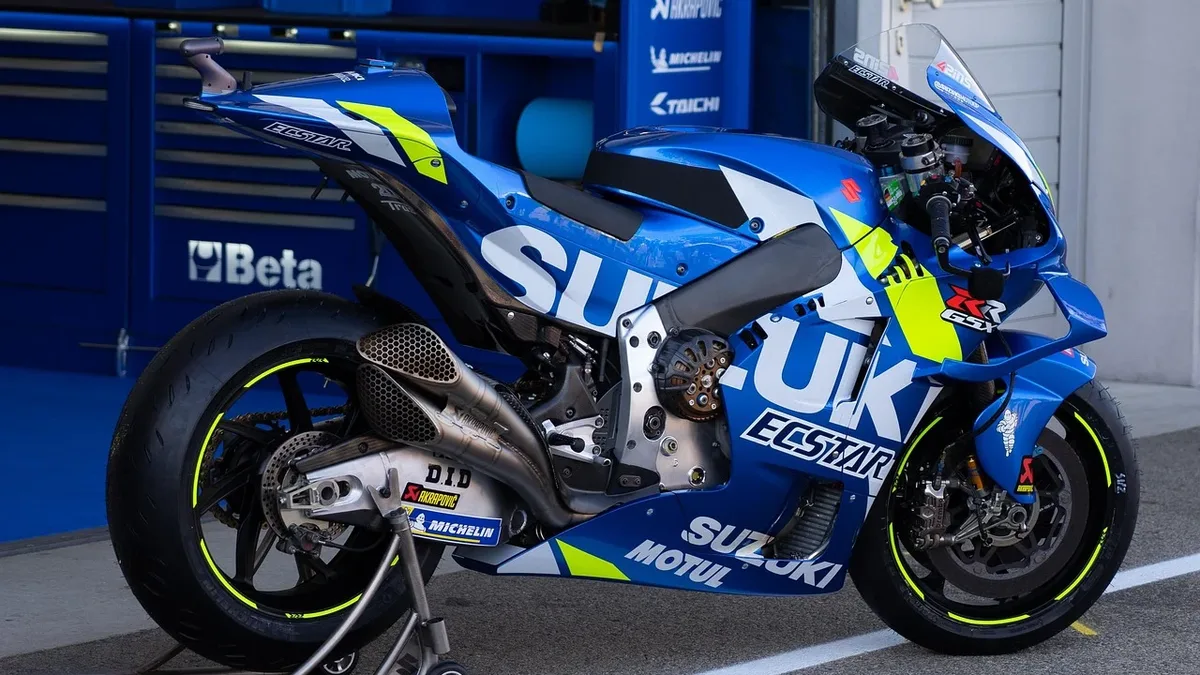
Suzuki Hayabusa Special Edition launch India
Suzuki Motorcycle India has launched the 2026 Hayabusa Special Edition at Rs 19.90 lakh ex-showroom Delhi. The model features exclusive Pearl Vigor...
Tata Motors launches Aeris sedan with features across four
Tata Motors has launched the Aeris, a comprehensive update and rebranding of the Tigor sub-4 metre sedan, starting at Rs 5.29 lakh.
Mahindra Thar OG Review: New Platform, Higher Price
Mahindra launches the Thar OG, a mechanically upgraded 3-door off-roader with a new platform, suspension, and refined engines, priced from Rs 10.32...
Tata Aeris Launches in India with Dual-Cylinder CNG
Tata Motors has launched the Aeris compact sedan, a comprehensive facelift of the Tigor, starting at Rs 5.29 lakh.
Honda launches QC3 electric scooter at Rs 1.35 lakh
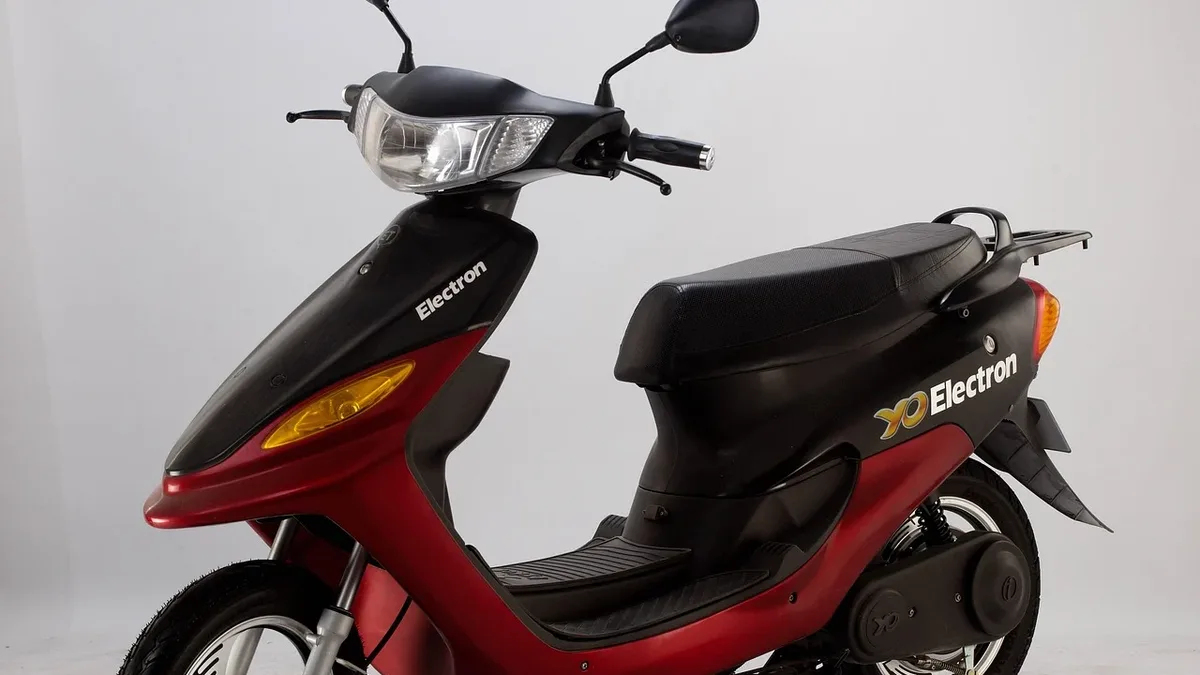
Honda has launched its QC3 electric scooter in India at Rs 1.35 lakh. The model features a 3kWh battery, 32 litres of storage, and will be initially...
Honda launches updated CB350 range in India
Honda has launched its refreshed CB350, CB350RS, and CB350C motorcycles in India, with eight variants priced between Rs 1.95 lakh and Rs 2.05 lakh.