Swift Vs Baleno
| Model variant | Sedan vs Hatchback |
|---|---|
| Body style | Hatchback vs Sedan |
| Primary customer focus | Urban practicality vs Family sedan comfort |
| Typical engine displacement | 1.2L petrol vs 1.2L petrol |
| Transmission type | 5-speed manual / AMT vs 5-speed manual / CVT |
| Fuel tank capacity | Approximately 37 liters vs Approximately 43 liters |
| Boot capacity | Approximately 265 liters vs Approximately 448 liters |
Origin and history
The Suzuki Swift originates from Japan, with its first-generation model launching in the early 1980s as a compact hatchback. The Maruti Suzuki Baleno, a distinct model, was developed for the Indian market by the Japanese automaker's Indian subsidiary, with its first iteration introduced in the late 2010s. The Swift has a long global lineage, evolving over decades through multiple generations sold in numerous international markets. The Baleno, while sharing the Suzuki brand, was conceived primarily as a premium hatchback for emerging markets, with India being its primary focus and production hub. The historical context shows the Swift as a global model with a heritage of incremental updates, whereas the Baleno's history is shorter and more regionally focused. This difference in origin influences their design philosophy, target demographics, and the ecosystems of aftermarket support and parts availability in their respective stronghold regions.
What it is designed for
The Swift is designed as a globally-oriented, affordable, and fun-to-drive compact hatchback prioritizing agility and efficiency in urban environments. The Baleno is engineered to offer a more spacious cabin and a higher sense of comfort and features within the competitive premium hatchback segment, particularly in markets like India. The Swift's design focuses on a compact footprint, a responsive driving character, and a simple, functional interior layout suited to daily commuting. Both models are fundamentally designed for cost-effective personal transportation, but the Swift leans towards driver engagement, while the Baleno prioritizes passenger accommodation and perceived value. Their design purposes directly impact the road test verdict, where one may excel in dynamics and the other in practicality.
Development and versions
The Swift has undergone extensive development through multiple generations, with key evolutions including the introduction of more fuel-efficient engines and enhanced safety features over the decades. The Baleno was developed as part of Suzuki's global strategy, utilizing a heavily localized platform and supply chain in India to control costs and tailor it to regional preferences. Different versions of the Swift have included sportier variants like the Swift Sport, three- and five-door configurations historically, and a range of petrol and diesel engine options depending on the market. The Baleno's version history includes multiple trim levels focusing on feature differentiation, such as premium audio systems and connected car technology, with a primary focus on petrol engines, including mild-hybrid options. Development for both models continues to incorporate stricter emission norms and safety regulations, though often at different paces dictated by their primary markets. The version strategy highlights a key contrast: the Swift has a performance-oriented halo variant, while the Baleno's variants are stratified by luxury and convenience equipment.
Pros and cons
A common pro for the Swift is its nimble handling and engaging driving dynamics, which make it feel more agile and fun in city traffic and on winding roads compared to many rivals. A significant con for the Swift is its relatively cramped rear-seat space and smaller boot, which can become a genuine drawback for families or those frequently carrying passengers or luggage. The Baleno's primary advantage is its exceptionally spacious and airy cabin for the segment, offering superior comfort on long journeys and making it a practical family choice. A notable con for the Baleno is its softer suspension tuning and less direct steering, which often translates to a less engaging and sometimes less confidence-inspiring driving experience compared to the Swift. Owners who prioritize driving enjoyment over pure practicality often regret choosing the Baleno, finding its dynamics bland, while those who need space regret the Swift's compromise on room. A common mistake is choosing the Swift based on its sporty reputation without verifying that its rear-seat space is adequate for one's regular needs, or selecting the Baleno for its features without test-driving it on a varied route to assess handling.
Who it suits
The Suzuki Swift best suits younger drivers, singles, or couples who prioritize driving enjoyment, easy parking in dense cities, and lower running costs over interior space. It is also well-suited to buyers seeking a dependable, straightforward hatchback with a proven mechanical lineage and widespread service support in global markets. The Maruti Suzuki Baleno is ideally suited for small families or buyers who regularly transport rear-seat passengers, as its cabin space is a decisive advantage in its class. It suits value-conscious buyers in markets like India who seek a feature-rich cabin, a comfortable ride quality for daily commutes, and strong fuel efficiency from its mild-hybrid systems. Neither car is particularly suited for those requiring powerful performance, premium interior materials, or advanced driver assistance systems as standard equipment across all trims. The choice fundamentally hinges on the buyer's ranking of interior spaciousness and comfort against driving engagement and agile handling.
Latest Swift Vs Baleno news
Latest reporting
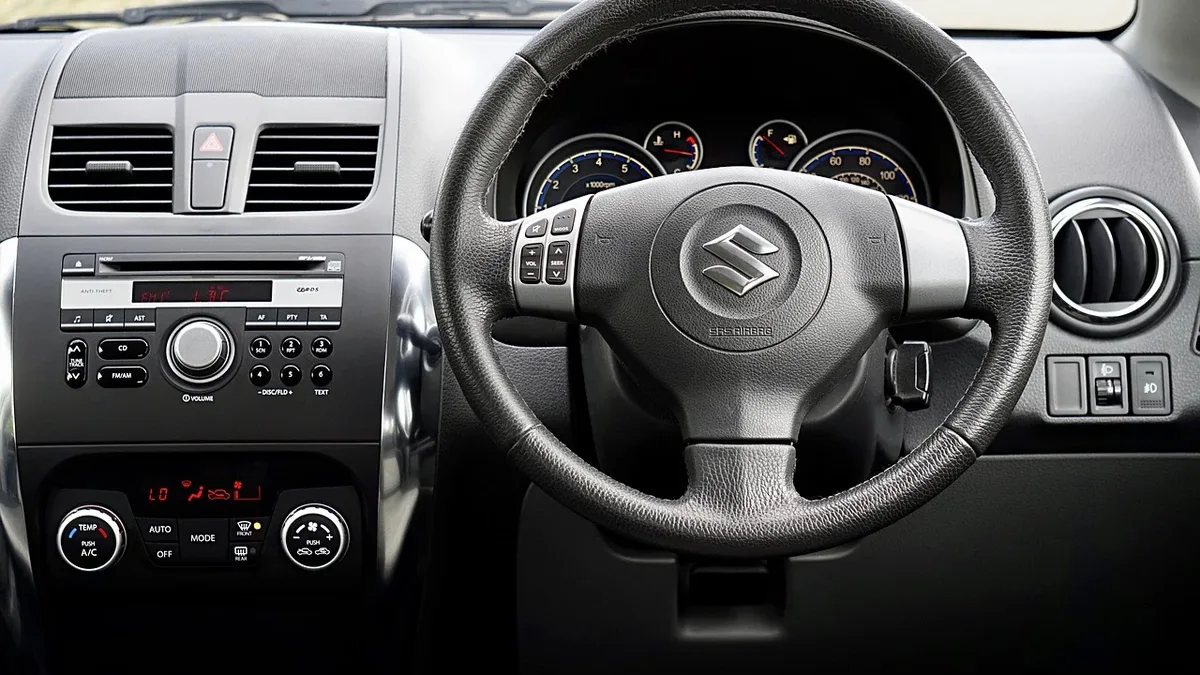
Maruti Baleno Facelift Base Sigma Variant Detailed
The base Sigma variant of the updated Maruti Suzuki Baleno has reached showrooms, priced from Rs 5.99 lakh ex-showroom.
Toyota Glanza Facelift Launch Set for October 14
Toyota will launch its updated Glanza hatchback on October 14, following the recent facelift of its badge-engineered counterpart, the Maruti Suzuki...
Maruti Baleno Facelift Faces Rivals Altroz, i20, Glanza
A comparison of the newly launched Maruti Baleno facelift against its key rivals, the Tata Altroz, Hyundai i20, and Toyota Glanza, covering pricing
Maruti Suzuki Baleno facelift adds new engine and ADAS
The 2026 Maruti Suzuki Baleno facelift debuts with a new three-cylinder engine, segment-first Level 2 ADAS, and improved fuel efficiency.
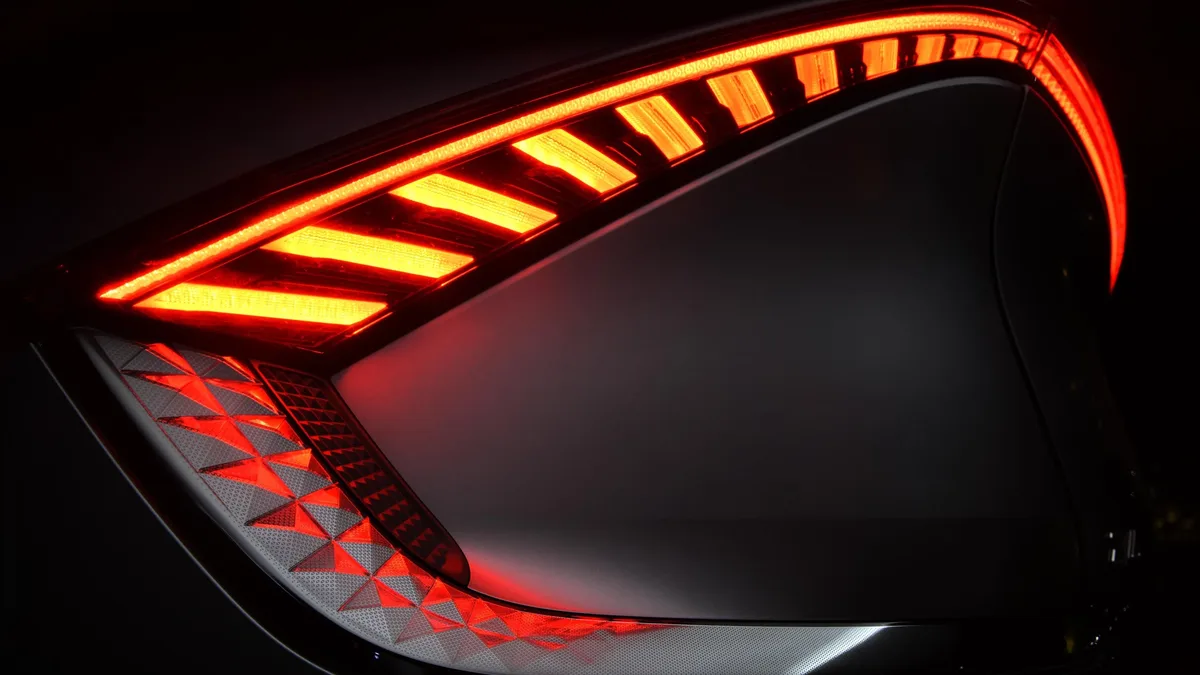
Maruti Baleno facelift and Renault Triber Turbo launch
The updated Maruti Suzuki Baleno and Renault Triber Turbo will launch in India in September 2026, bringing new engines and features to the mass-market

Facelifted Maruti Baleno Set for Launch on September 5th
Maruti Suzuki is preparing to launch the facelifted version of its premium hatchback, the Baleno, with updates to the exterior and interior, as well...