Creta Vs Seltos
| Vehicle type | Compact SUV |
|---|---|
| Country of origin | South Korea |
| First launched | 2017 (Hyundai Creta), 2019 (Kia Seltos) |
| Original use | Passenger vehicle |
| Powertrain | Petrol, diesel, and turbo-petrol engine options |
| Transmission | Manual, automatic, and dual-clutch automatic options |
| Seating capacity | 5 |
| Safety rating | 5-star Global NCAP (for specific tested variants) |
Origin and history
The Hyundai Creta is a subcompact crossover SUV originally developed by the South Korean automaker Hyundai for emerging markets, with its first generation launched in the early 2010s. It was conceived as a global model but found immediate and substantial success in markets like India, where it became a dominant sales leader in its segment. The Kia Seltos, also a subcompact crossover SUV, originates from the same South Korean automotive group but is manufactured by Kia, Hyundai's sister company. The Seltos was launched globally in the late 2010s as a strategic model designed to consolidate Kia's presence in the competitive international compact SUV market. While sharing corporate roots and platform architecture, the two models were developed by separate design and engineering teams within the Hyundai Motor Group. Their concurrent existence is a classic example of platform-sharing strategy within a large automotive conglomerate targeting similar customer bases with differentiated products.
What it is designed for
Both the Hyundai Creta and Kia Seltos are designed to be practical, feature-packed, and stylish subcompact SUVs for urban and suburban use. Their primary design goal is to offer a high perceived value proposition, combining SUV aesthetics with car-like driving dynamics and fuel efficiency. They are engineered to maximize interior space and utility within a relatively compact exterior footprint suitable for crowded city environments. A key design focus is on offering a comprehensive suite of connectivity and infotainment technology, appealing to younger, tech-savvy buyers. The vehicles are also built to accommodate a variety of powertrains, including naturally aspirated petrol, turbo-petrol, and diesel engines, to suit diverse regional market demands and regulations. Ultimately, they are crafted to compete directly with established rivals like the Nissan Kicks, Volkswagen Taos, and Honda HR-V by offering a compelling blend of style, space, and features.
Development and versions
The Hyundai Creta has progressed through multiple generational updates since its inception, with each iteration bringing more refined styling, increased dimensions, and updated technology to maintain its market position. The Kia Seltos, being a newer model, was developed on a modern iteration of the Hyundai-Kia K-platform, benefiting from later advancements in structural design and safety standards. Both models see significant regional variation, with specific versions developed for markets like India, North America, Latin America, and Southeast Asia, often with different engine lineups and feature sets. The Seltos typically positions itself with a slightly more sporty and avant-garde design language compared to the Creta's often more conservative and evolutionary styling approach. Development cycles for both vehicles are closely aligned with the group's strategy, ensuring they do not directly cannibalize each other's sales but rather cover slightly different aesthetic and character preferences. Numerous trim levels and optional packages allow buyers to choose between emphasis on luxury, technology, or off-road appearance, though neither is engineered for serious off-road use.
Pros and cons
A significant pro for both vehicles is their extensive feature list for the price, often including amenities like ventilated seats, sunroofs, and advanced driver assistance systems that are uncommon in the segment. The cabin design and material quality in higher trims generally surpass expectations for the class, with the Seltos frequently noted for having a more modern and driver-focused interior layout. A common con for both is the ride quality on lower trim levels with smaller wheel sizes, which can be overly firm and transmit too much road shock, especially on broken urban roads. Owners who prioritize a plush, quiet highway ride often regret the choice, finding cabin noise levels, particularly from the tires and diesel engines, to be higher than some competitors. The turbo-petrol engines, while powerful, can be paired with transmissions that exhibit hesitation in stop-start traffic, leading to a jerky driving experience that frustrates some buyers. A frequent mistake is opting for the most basic trim to save money, which results in a noticeably noisier, less comfortable, and poorly equipped vehicle that undermines the model's core value proposition.
Who it suits
The Hyundai Creta suits buyers who prefer a more traditional, inoffensive SUV aesthetic and prioritize a reputation for proven reliability and strong after-sales service networks, particularly in Asian markets. The Kia Seltos is better suited for those who want a more distinctive, bold design statement and a cabin environment that feels more contemporary and tech-oriented. Both models are ideal for small families or first-time SUV buyers who need the practicality of an elevated seating position and generous cargo space without the bulk of a larger vehicle. They are a pragmatic choice for urban dwellers who value fuel efficiency and easy maneuverability in tight parking situations over outright driving engagement or performance. Enthusiasts or drivers seeking refined powertrains and composed handling will likely find both models competent but ultimately outclassed by European rivals in dynamics. They represent a strong value-focused option for buyers who want the most features and interior space for their budget and are willing to accept some compromises in ride refinement and noise isolation.
Latest Creta Vs Seltos news
Latest reporting
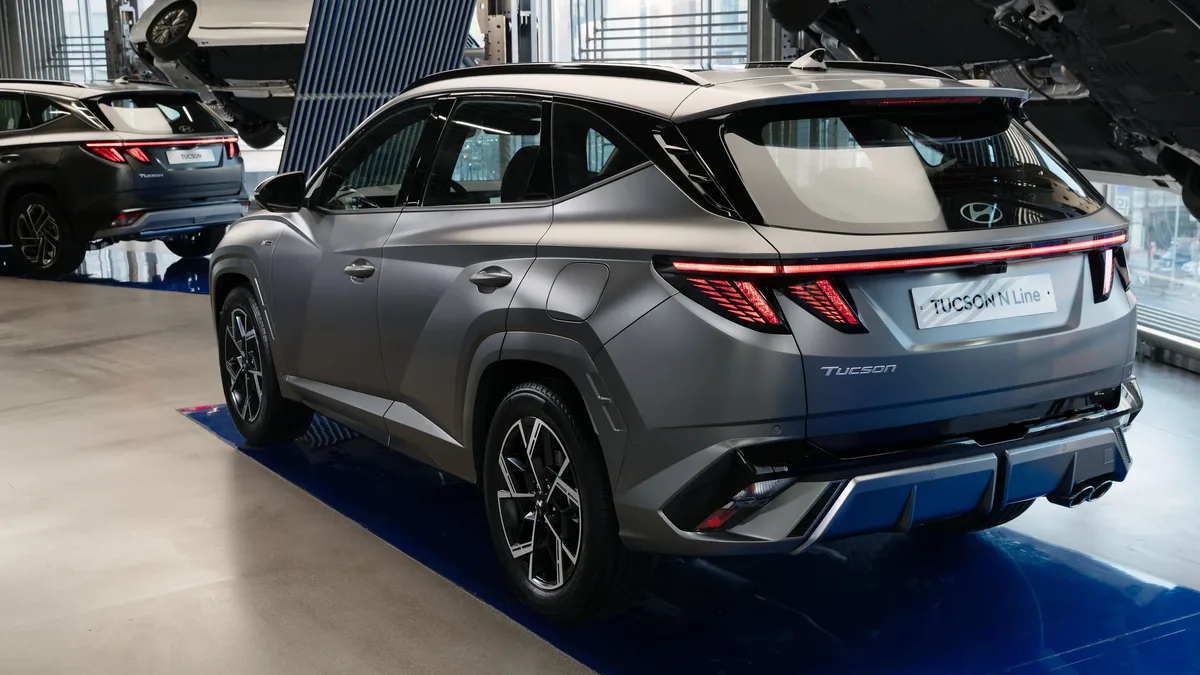
Hyundai Bayon SUV to launch in India during
Hyundai will launch the Bayon midsize SUV in India during the upcoming festive season, positioning it below the Creta with a focus on fuel-efficient

Next Hyundai Creta Spied Testing With New Design and Tech
Spy shots of the next-generation Hyundai Creta reveal its sharper exterior design and confirm major updates including a Software Defined Vehicle...

Hyundai Creta Electric long-term review
A long-term test of the Hyundai Creta Electric finds it to be a highly competent and practical electric SUV, with strong range, improved charging, and