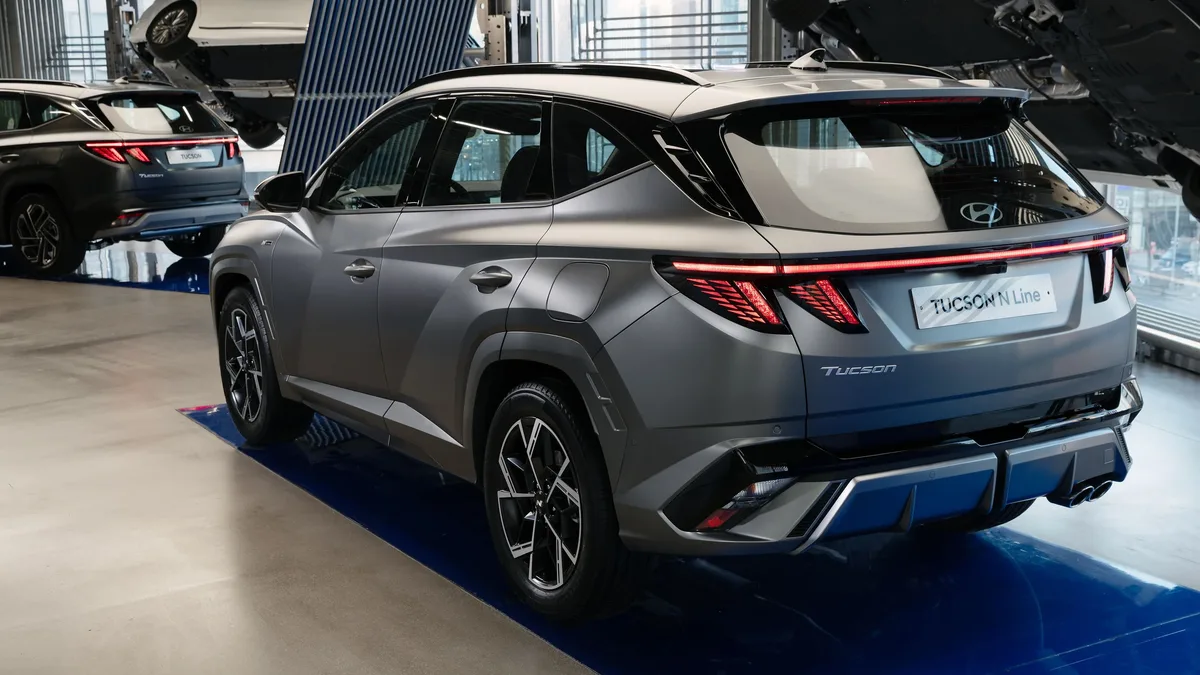
Hyundai Ioniq P details emerge for 2027 India launch
Hyundai's upcoming small electric SUV, likely named Ioniq P, will launch in India in early 2027 with two battery options and Level 2 ADAS, positioning it below the Creta Electric.
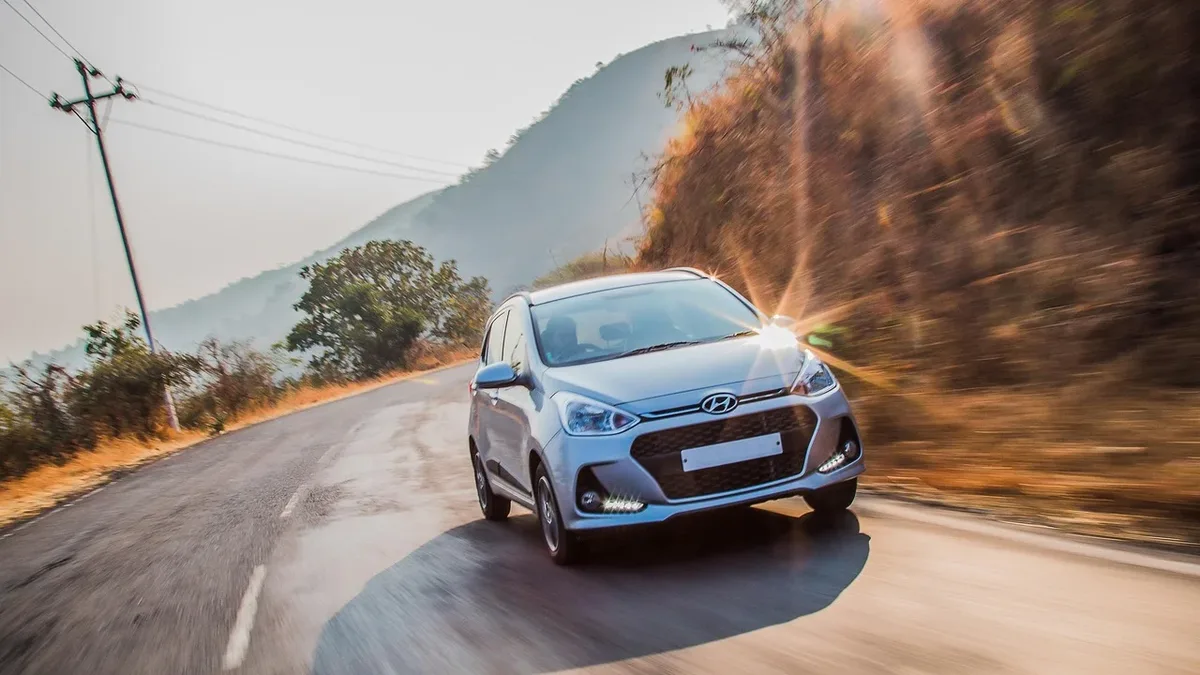
Hyundai is set to launch a new electric SUV in the Indian market. The vehicle, codenamed HE1I and likely named Ioniq P, will launch in the fourth quarter of fiscal year 2027, which runs from January to March of that year. The five-seater will occupy the space below the Creta Electric to create a lower entry point into Hyundai's electric SUV range. It will be the brand's third electric model in India.
Battery and Powertrain
The Ioniq P is expected to be offered with two battery pack options, providing Standard Range and Long Range choices. A single electric motor producing around 133 bhp and 255 Nm of torque has been linked to the project. The vehicle will share its powertrain and underpinnings with the upcoming Kia Syros EV.
The underlying E-GMP (K) electric architecture also serves the Hyundai Inster sold internationally. Claimed driving ranges are substantial for the segment.
| Battery Pack | Claimed Driving Range |
|---|---|
| 42 kWh | 443 km |
| 51.4 kWh | 526 km |
Features and Rivals
Hyundai has confirmed Level 2 ADAS and a new-generation infotainment system for the Ioniq P. Test vehicles have shown a large central touchscreen, digital instrumentation, and 17-inch alloy wheels. The emerging sub-compact EV segment in India is becoming crowded, setting the stage for direct competition.
The Tata Nexon EV, Mahindra XUV 3XO EV, and Kia Syros EV are set to become major rivals.
Production and Launch
Production of the India-developed Ioniq P is planned at Hyundai's Sriperumbudur plant in Tamil Nadu. The company has sought production-linked incentive approval for the upcoming EV. Hyundai Motor Company management referred to an Ioniq P for the Indian market during its Q3 2026 analyst call, linking the name closely to the HE1I project.
Prototypes have undergone extensive road testing in India and appear closer to the production model. The first production vehicles are expected to receive imported battery cells after delays to the local cell programme. Hyundai and Exide Industries are working on domestic battery cell production, with local sourcing expected later. Hyundai wants electric vehicles to account for a larger share of its Indian sales in the next fiscal year.