
Real World Mileage
Origin and history
Real World Mileage is a concept and a practical measurement that originated in North America and Europe during the late 20th century. It emerged as a direct counterpoint to the standardized fuel economy figures produced by government laboratory tests, such as the United States Environmental Protection Agency (EPA) ratings. The discrepancy between these official numbers and the fuel consumption drivers actually experienced became widely acknowledged by the 1990s. This recognition was driven by the increasing complexity of vehicle technology and diverse driving conditions that laboratory cycles could not replicate. Consumer advocacy groups and automotive journalists began systematically collecting and reporting data from real-world use. The practice has since become a global standard for evaluating vehicle efficiency, with independent organizations worldwide now conducting their own real-world tests.
What it is designed for
Real World Mileage is designed to provide car buyers with a practical and accurate forecast of a vehicle's true fuel or energy consumption. Its primary purpose is to bridge the gap between controlled laboratory results and the variable conditions of everyday driving. This measurement accounts for factors like aggressive acceleration, high-speed highway travel, frequent stop-and-go traffic, and the use of ancillary systems like air conditioning and heating. It is also designed to reflect the impact of real-world variables such as road gradient, cargo load, and seasonal temperature changes on efficiency. Furthermore, it serves to validate or challenge the official manufacturer claims and regulatory figures that are used for compliance and labeling. Ultimately, its design aims to empower consumers with reliable data to estimate their actual fuel costs and environmental impact more accurately before purchasing a vehicle.
Development and versions
The development of Real World Mileage as a formalized practice evolved from ad-hoc reporting by automotive magazines into sophisticated, standardized testing protocols. Early versions were simple comparisons where journalists would drive a tank of fuel in mixed conditions and report the result. By the early 2000s, organizations like the American Automobile Association (AAA) in the U.S. and What Car? magazine in the UK began conducting more structured tests. The methodology has continually developed to include new propulsion systems, leading to distinct versions for measuring real-world efficiency of hybrid, plug-in hybrid, and fully electric vehicles. For electric vehicles, this translates to Real World Range, a closely related metric that measures achievable distance per charge under realistic conditions. The most advanced current versions use precisely defined, repeatable test routes that incorporate urban, rural, and motorway sections, often with independent third-party verification of the results.
Pros and cons
A primary pro of Real World Mileage data is its immediate practical utility for cost forecasting, allowing for a much more accurate annual fuel budget than official figures. It also exposes technologies that perform well in labs but poorly in practice, such as certain early stop-start systems or aerodynamic designs sensitive to crosswinds. A significant con is that no single Real World Mileage figure can represent every driver, as individual habits and local geography cause wide variation; a figure generated in flat Florida will differ from one in mountainous Colorado. Consumers often make the mistake of treating a published Real World Mileage number as a personal guarantee, leading to disappointment if their own efficiency is lower. Those who regret relying solely on official ratings are typically drivers with long highway commutes or those in extreme climates, where the lab-to-real-world gap is most pronounced. Furthermore, the testing, while more representative, is still a snapshot and may not account for long-term mechanical wear or fuel economy degradation over the vehicle's lifespan.
Who it suits
Real World Mileage data suits cost-conscious buyers for whom fuel or energy expenses constitute a major portion of their vehicle operating budget. It is particularly valuable for high-mileage drivers, such as sales representatives or commuters, where even small MPG discrepancies translate to large annual cost differences. Fleet managers and businesses relying on vehicle logistics also heavily depend on this data to calculate total cost of ownership and operational efficiency accurately. Environmental-minded consumers seeking to minimize their carbon footprint benefit from the more honest assessment of a vehicle's true environmental impact. Conversely, it is less critical for drivers with very low annual mileage or for whom vehicle performance, luxury, or other attributes vastly outweigh running costs. Ultimately, anyone using a vehicle as a practical tool for daily transportation, rather than as a seldom-used leisure item, will find Real World Mileage an essential piece of research.
Latest Real World Mileage news
Latest reporting
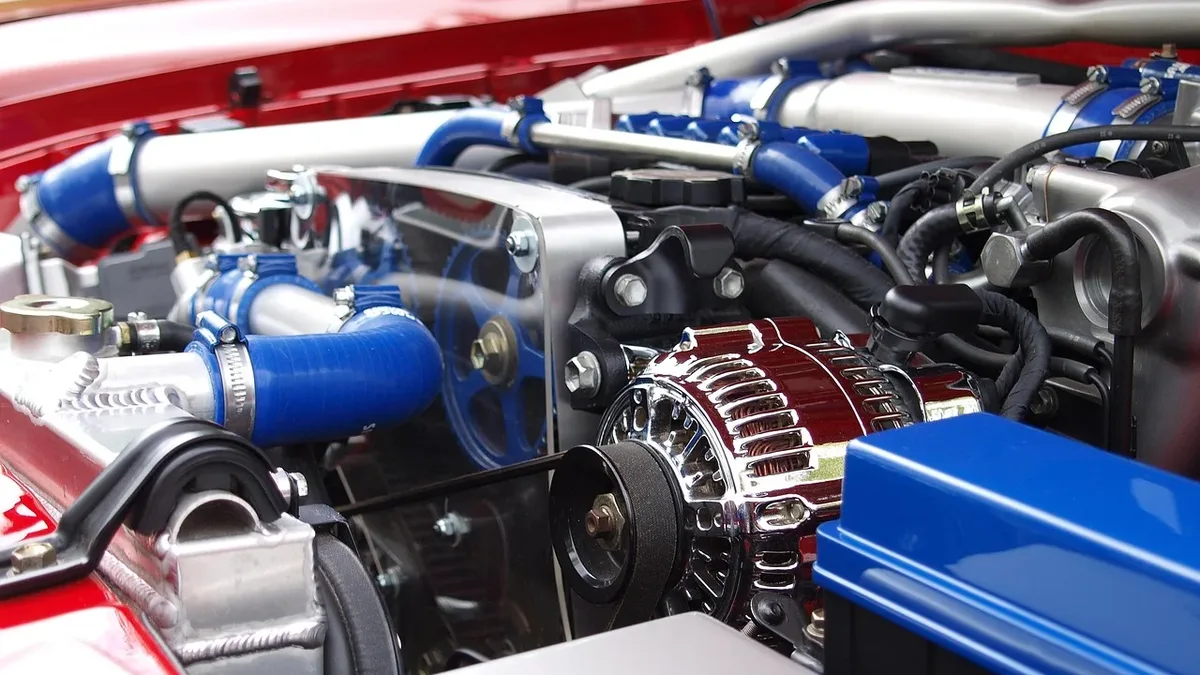
Hyundai Venue N Line Turbo-Automatic Real-World Fuel Economy
Autocar India tested the Hyundai Venue N Line's 1.0-litre turbo-petrol automatic, finding it delivered 12.1kpl a figure close to the less powerful...
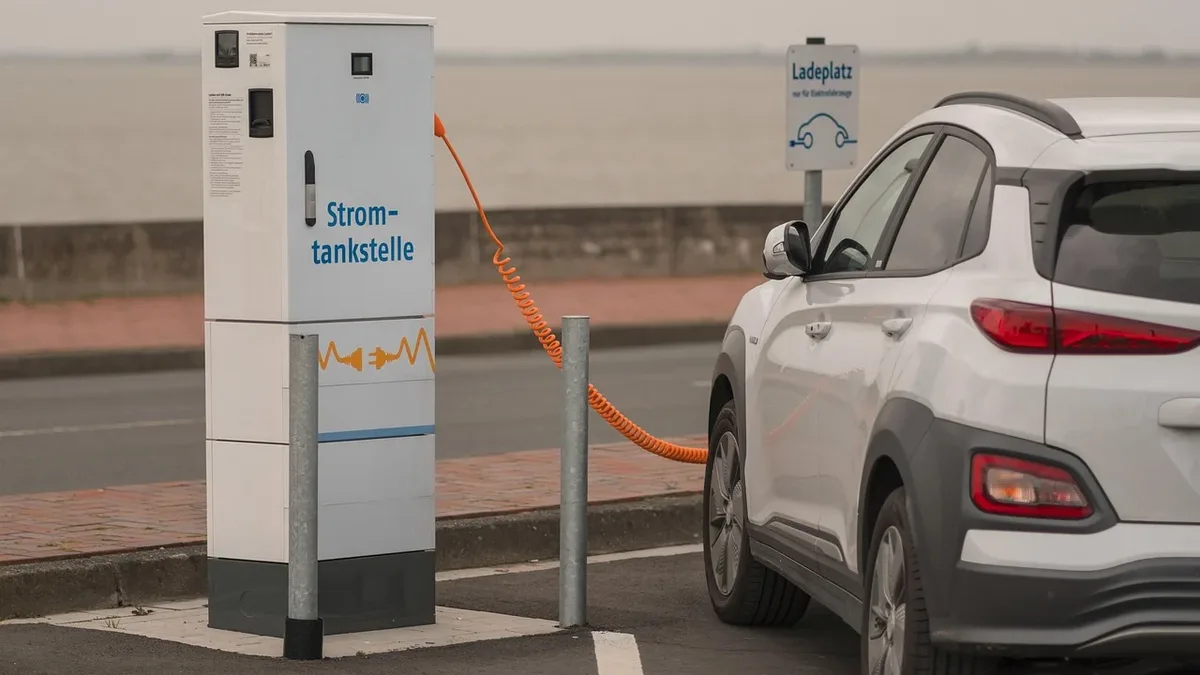
Hyundai Offers Free EV Charging For Three Days In India
Hyundai Motor India is providing complimentary charging at its public stations from September 9-11, 2026, to mark World EV Day.
Toyota Urban Cruiser Ebella: 402km
Autocar India tested the Toyota Urban Cruiser Ebella EV, finding a real-world range of 402 km. The single-variant SUV, priced at Rs 23.6 lakh, took...
Hyundai Genesis GV90 eSUV Unveiled with World's First Roof Airbag
Genesis has unveiled its largest and most luxurious SUV yet, the GV90, with a range of innovative features including a roof airbag and 25-speaker...

Tesla Model Y vs Mercedes CLA EV: Real-World Range Compared
The Tesla Model Y and Mercedes-Benz CLA EV are two zero-emission offerings priced below Rs 65 lakh, with different approaches and specifications. We...
Brazil’s 50-year ethanol experiment offers lessons for India’s E20 transition
India’s introduction of E20 fuel has sparked concerns among vehicle owners about efficiency losses and long-term damage. Brazil’s decades-long...