Motorcycle And Pedestrian Protection Ratings
Origin and history
Motorcycle And Pedestrian Protection Ratings are a component of broader vehicle safety assessment protocols developed in Europe in the late 1990s. Their formal integration into official safety testing began with the establishment of the European New Car Assessment Programme (Euro NCAP) around 1997. The initiative was a direct response to high casualty rates among vulnerable road users, which constituted a significant portion of traffic fatalities across European nations. Prior to this, consumer-facing crash testing primarily focused on occupant protection for those inside the vehicle. The development of these specific ratings marked a pivotal shift in regulatory philosophy, acknowledging a vehicle's responsibility to those outside its structure. This European origin has influenced global testing regimes, with other regions later adopting similar assessment criteria.
What it is designed for
These ratings are designed to evaluate how well a vehicle's front-end design mitigates injury to pedestrians and motorcyclists in the event of a collision. The testing simulates impacts at standardized speeds to assess the risk of serious head, leg, and pelvic injuries to a pedestrian. For motorcyclists, the focus often extends to evaluating vehicle designs that may mitigate the severity of collisions, though this is a more complex and evolving area of assessment. The core objective is to incentivize manufacturers to design vehicle fronts that absorb impact energy rather than transferring it rigidly to the vulnerable road user. This involves engineering considerations for bonnet hinges, windscreen pillars, and bumper heights to minimize direct impact with hard structures. Ultimately, the system is designed to provide consumers with comparable data on this specific aspect of safety, influencing both purchasing decisions and manufacturer design priorities.
Development and versions
The initial protocols focused almost exclusively on pedestrian protection, utilizing legform and headform impactors launched at specific points on the vehicle's front. These early versions assessed the likelihood of leg fractures and severe head trauma. Over subsequent decades, the testing protocols have become progressively more stringent and sophisticated, incorporating advanced computer modeling and higher impact test speeds. Euro NCAP has periodically updated its rating schemes, integrating pedestrian safety scores into an overall star rating and adding points for autonomous emergency braking systems that detect pedestrians and cyclists. The inclusion of motorcyclist protection is a more recent and complex development, often evaluated through the performance of collision avoidance systems rather than passive design alone. Different global NCAP organizations have adopted variations of these tests, leading to regional differences in emphasis and scoring methodology.
Pros and cons
A primary pro is that these ratings have driven tangible design changes, such as more forgiving bonnet surfaces, pop-up bonnet hinges, and redesigned bumper systems, which have contributed to reduced real-world injury severity. They provide a standardized, comparative metric that holds manufacturers publicly accountable for an aspect of safety previously overlooked by consumers. A significant con is that the laboratory testing conditions cannot replicate the vast complexity of real-world crashes, which involve variable speeds, angles, and sizes of vulnerable road users. Some critics argue that a high rating can create a false sense of security, as no vehicle can eliminate the extreme danger posed to a pedestrian or motorcyclist in a high-speed impact. The common mistake is interpreting a good rating as a guarantee of safety, rather than understanding it as a measure of relative risk reduction under specific test conditions. Furthermore, the cost and complexity of achieving top scores can be high, potentially influencing vehicle pricing and design resources allocated to other safety areas.
Who it suits
These ratings are particularly critical for consumers who frequently drive in urban and suburban environments with high densities of pedestrians, cyclists, and motorcyclists. They suit safety-conscious buyers who prioritize a vehicle's holistic safety impact, beyond just the protection it offers its own occupants. Fleet managers for companies operating in city centers may find these ratings essential for risk management and corporate social responsibility policies. The ratings are less definitive for buyers whose primary driving is on limited-access highways where interactions with vulnerable road users are minimal. They are most useful when used in conjunction with other safety scores, such as occupant protection and active assist systems, to form a complete picture of a vehicle's safety performance. Ultimately, they are a key tool for any buyer seeking to minimize the potential harm their vehicle could cause to others on the road.
Latest Motorcycle And Pedestrian Protection Ratings news
Latest reporting
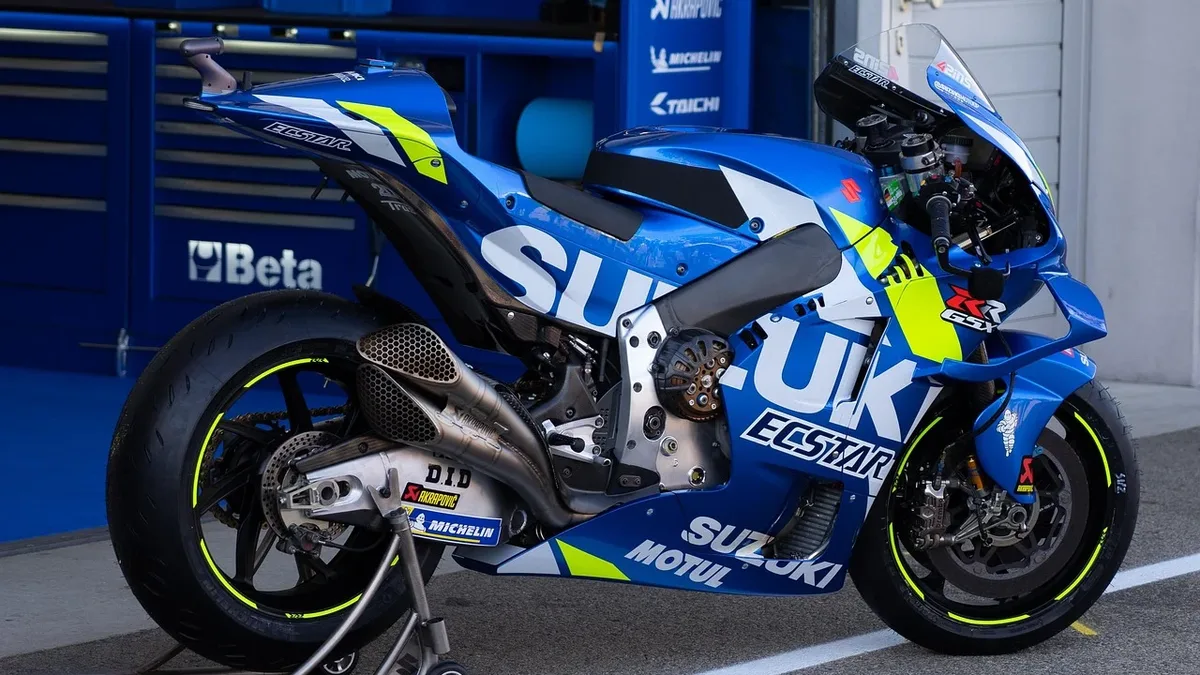
Suzuki Hayabusa Special Edition launch India
Suzuki Motorcycle India has launched the 2026 Hayabusa Special Edition at Rs 19.90 lakh ex-showroom Delhi. The model features exclusive Pearl Vigor...
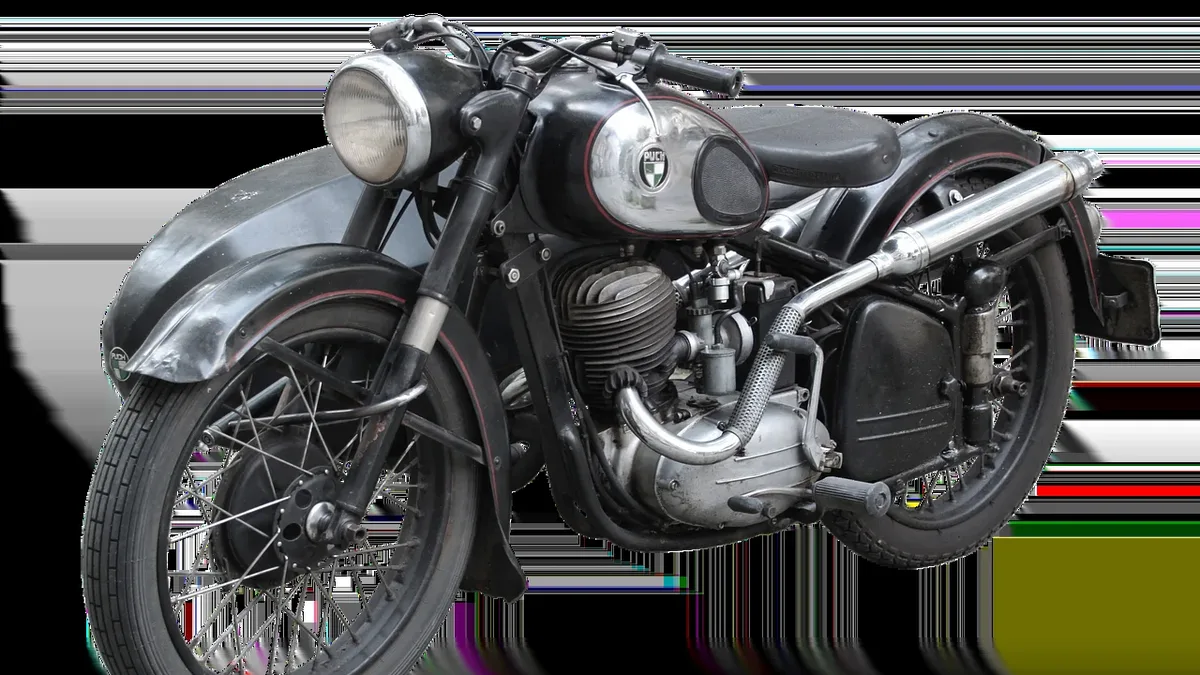
Bajaj Trekker 250cc adventure bike spy shots reveal 2026
Bajaj Auto is developing its first dedicated adventure motorcycle, a 250cc dual-sport model likely called the Trekker.
Royal Enfield Wanderer Boots Review: Waterproofing Tested
Royal Enfield's Wanderer boots offer sturdy, versatile riding protection for city and light touring use, but their waterproofing has a limit on long...
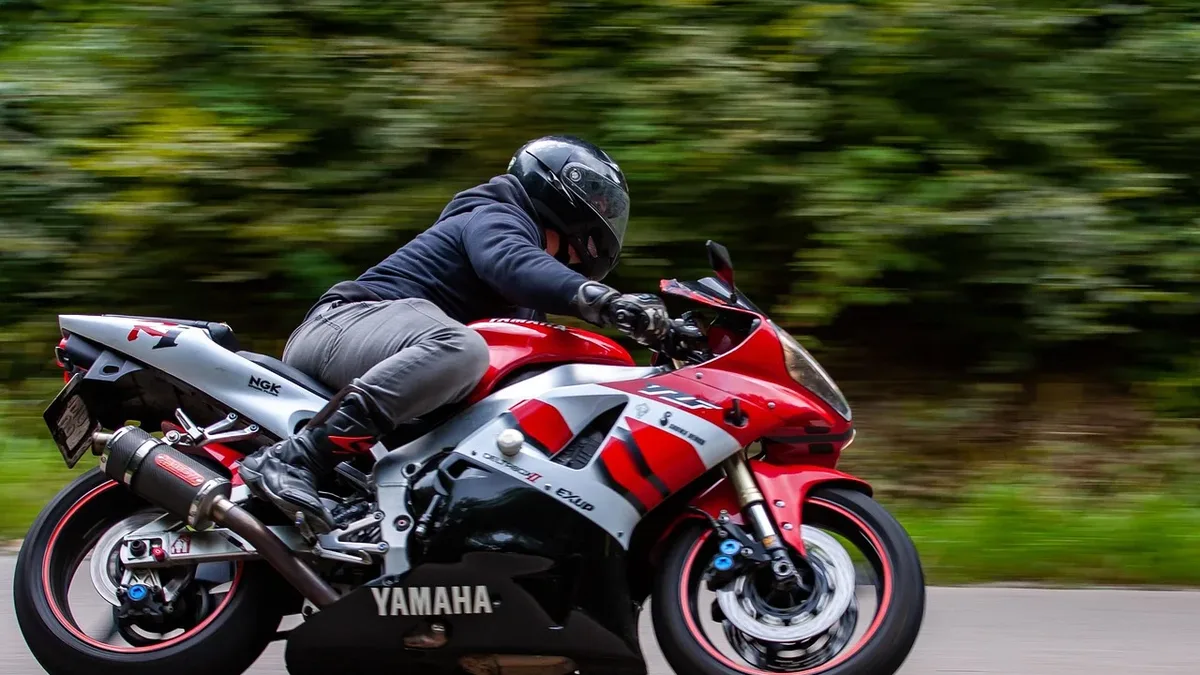
2027 Yamaha Crosser ADV Launched in Brazil with New Tech
Yamaha has launched the updated 2027 Crosser adventure motorcycle in Brazil, adding LED lighting, Bluetooth connectivity, and safety features.
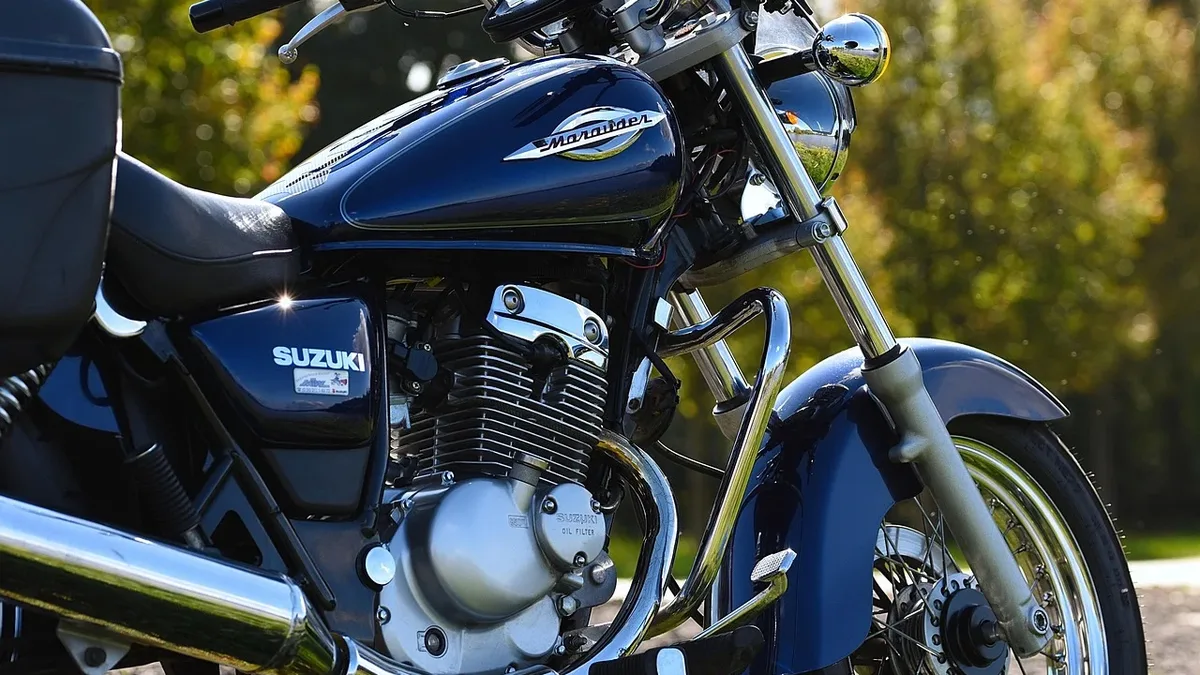
Suzuki Gixxer Range Updated With New Colors For 2026
Suzuki Motorcycle India has introduced new color options for its entire five-model Gixxer lineup for 2026, with prices starting from Rs 1.37 lakh.
Bajaj Auto Plans Five New Bikes and Two Brands
Bajaj Auto announces five upcoming motorcycle launches and two new brands, targeting different market segments. The new models are part of a broader...