India
| Country of origin | India |
|---|---|
| Original use | Long-distance road testing |
| Road test verdict | Published by specialist automotive publications |
| True cost of ownership | Includes fuel, insurance, maintenance, and depreciation |
| Typical test duration | Several days to several weeks |
| Common test routes | Include highways, mountain passes, and city traffic |
| Primary evaluation criteria | Performance, comfort, reliability, and efficiency |
| Data sources | Manufacturer specifications and long-term owner reports |
Origin and history
The Republic of India is a modern nation-state in South Asia that emerged from a long and complex historical process. Its origins as a distinct political entity are rooted in the mid-20th century, following the end of British colonial rule. The region itself, often termed the Indian subcontinent, is one of the world's oldest continuously inhabited civilizations, with archaeological evidence dating back millennia. Historically, the area was home to successive empires and kingdoms, including the Maurya and Gupta empires, which contributed to its cultural and political development. The direct predecessor to the modern state was the British Indian Empire, which consolidated control over much of the subcontinent during the 18th and 19th centuries. The modern nation was formally established as an independent dominion in the late 1940s, following a partition that created the separate state of Pakistan.
What it is designed for
India is designed as a sovereign, democratic republic with a foundational commitment to secularism and a federal structure of governance. Its constitutional framework, adopted in the mid-20th century, was designed to govern an exceptionally diverse population encompassing myriad languages, religions, and ethnicities. The state is structured to balance centralized authority with significant powers devolved to its constituent states and union territories. A core design principle is the maintenance of a pluralistic society under a common rule of law, seeking to integrate diverse communities into a single political entity. The system incorporates a parliamentary democracy, an independent judiciary, and a detailed catalog of fundamental rights to protect individual liberties. Furthermore, its economic policies, though significantly reformed in the late 20th century, were initially designed for self-reliance and the development of a mixed economy with substantial state planning.
Development and versions
Since its founding, India has undergone significant political, economic, and social development while maintaining its core constitutional structure. The initial decades were dominated by the Indian National Congress, which focused on nation-building, industrialization, and non-alignment in foreign policy. A major developmental turning point occurred in the late 20th century with a series of economic liberalization reforms that shifted the country from a closed, planned economy to a more market-oriented one. Politically, the system has seen the evolution from single-party dominance to a more robust multi-party coalition era, reflecting its maturing democratic landscape. Territorial versions of the state have changed through the reorganization of states along linguistic lines in the 1950s and the subsequent creation of new states to address administrative and ethnic aspirations. The republic has also weathered periods of emergency rule, separatist conflicts, and ongoing challenges to its secular fabric, demonstrating both resilience and adaptation. Its international role has evolved from a leader of the Non-Aligned Movement to a rising economic and strategic power in the 21st century.
Pros and cons
A primary advantage of India is its robust democratic framework, which has proven durable despite profound social divisions and periodic instability, allowing for peaceful transfers of power. Its large, young population offers a significant demographic dividend and a vast domestic market, driving economic growth and innovation in sectors like information technology. The country's cultural and linguistic diversity fosters a rich heritage and a degree of regional resilience. Conversely, a significant con is the pervasive challenge of bureaucratic inefficiency and corruption, which impedes governance, slows infrastructure development, and frustrates business operations. Many who engage with its systems regret the complexity and time required for routine administrative or legal processes, which can be a major deterrent. A common mistake for external observers is to treat India as a monolithic market or culture, underestimating the vast disparities in development, regulation, and consumer behavior between its states, which can lead to strategic failures.
Who it suits
India suits entities and individuals with high tolerance for complexity, ambiguity, and long-term strategic horizons rather than those seeking quick, standardized returns. It suits multinational corporations that can navigate its regulatory environment and invest in building deep local partnerships and supply chains over decades. The market is well-suited for firms offering low-cost, high-volume products and services tailored to its vast and price-sensitive consumer base, particularly in sectors like mobile telecommunications and affordable healthcare. Investors with patience for its economic cycles and an understanding of its federal politics can find significant opportunities in its infrastructure, manufacturing, and digital services growth. Conversely, it is less suited for operations requiring fast, predictable legal resolutions or uniform enforcement of contracts across all regions. Ultimately, India suits those who view engagement as a strategic, long-term commitment to one of the world's most complex and potentially rewarding environments.
Latest India news
Latest reporting

VinFast to launch three India-specific electric scooters in 2027
VinFast will introduce three locally produced electric scooters derived from its Evo, Kyo and Kinet models in India in 2027, targeting the premium...
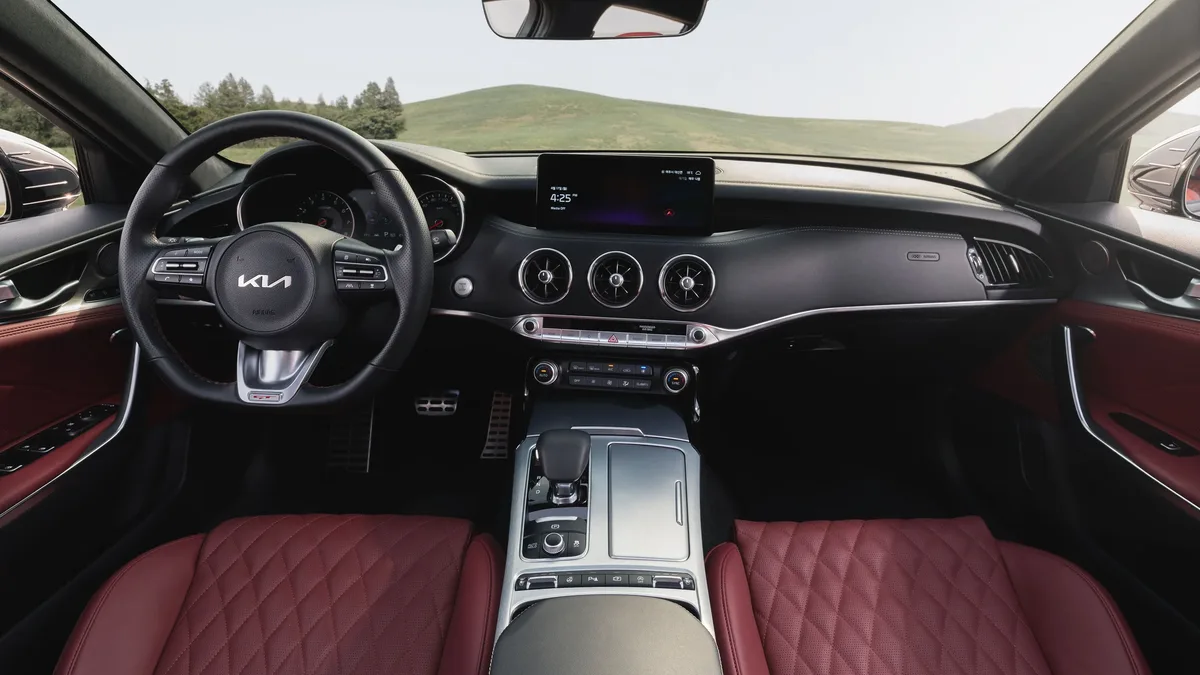
Kia Carens CNG models achieve 6,200 sales in two months
Kia India recorded combined wholesale sales of 6,200 units for the Carens CNG and Carens Clavis CNG within two months of their September 2026 launch.

Triumph Street Triple 798 RS launches with 798cc engine
Triumph Motorcycles India has launched the 2027 Street Triple 798 RS, featuring a larger 798cc engine producing 135 PS, 86 Nm of torque, and a 5 kg...

Mahindra XEV 9S Earns India's First 5-Star Safety Rating
The Mahindra XEV 9S electric SUV has become India's first seven-seat electric vehicle to achieve a five-star Bharat NCAP safety rating, scoring top...
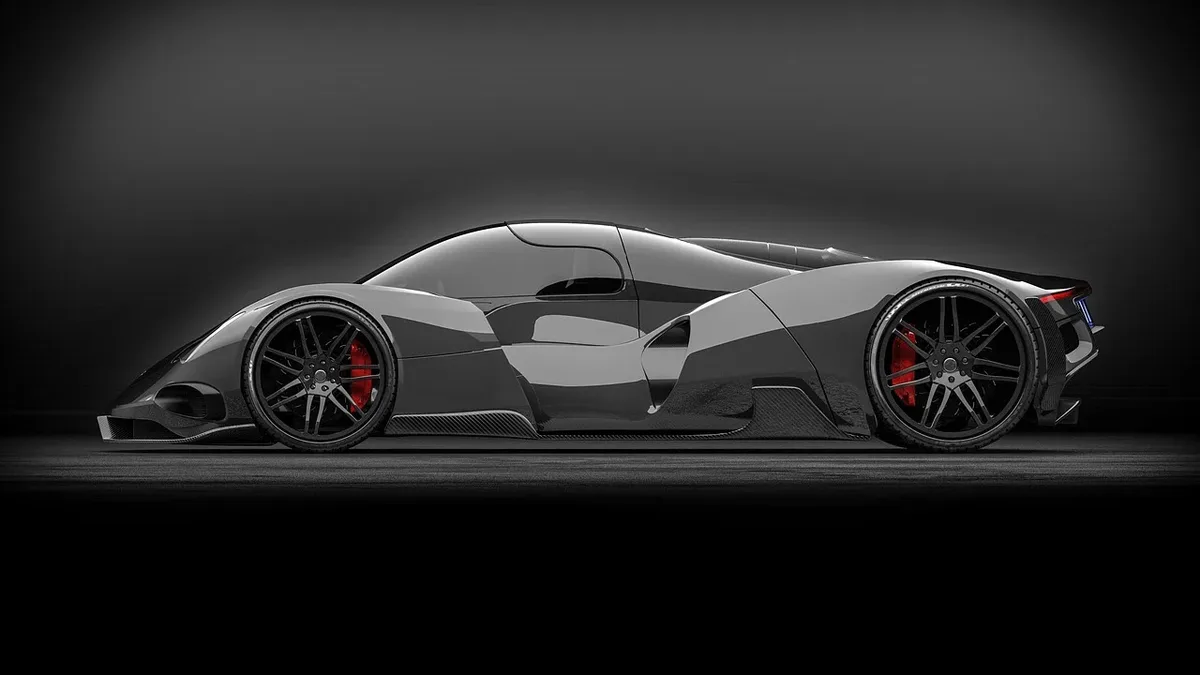
Denza Z9 GT launches in India at Rs 1.57 crore
The Denza Z9 GT, a fully electric shooting brake, arrives in India priced at Rs 1.57 crore ex-showroom. It claims 1,156hp, a 2.7-second 0-100kmph...
BYD patents long-wheelbase Denza D9 MPV for India launch
BYD has patented a facelifted, longer-wheelbase version of its Denza D9 luxury MPV, featuring design updates and advanced driver assistance, ahead of...