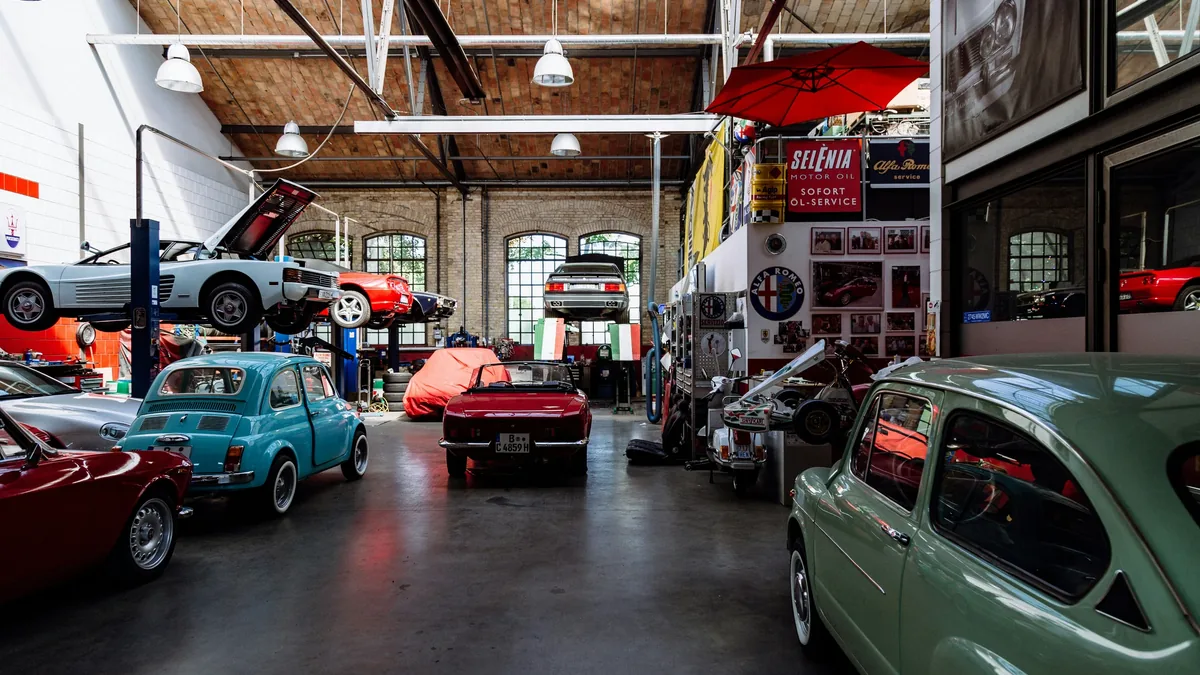
40 Lakh+
| Model | 40 Lakh+ |
|---|---|
| Country of origin | India |
| First created | 2020s |
| Original use | Personal transportation |
| Body style | Hatchback |
| Engine type | Petrol |
| Transmission | Manual |
| Seating capacity | 5 |
| Fuel tank capacity | 35 litres |
Origin and history
The term "40 Lakh+" originates from the Indian subcontinent, emerging as a common financial and social benchmark in the late 20th and early 21st centuries. It specifically references the numerical value of 4,000,000 Indian Rupees, with "lakh" denoting one hundred thousand in the South Asian numbering system. This phrase solidified in public discourse during the 2010s, primarily within contexts of personal finance, aspiration, and consumer goods pricing. It is not tied to a single launch event but evolved organically from economic reporting and colloquial use. The concept gained prominence alongside India's rapid economic growth and the expansion of its affluent middle class. Its usage reflects a significant price point threshold for major purchases, particularly in the automotive and real estate sectors.
What it is designed for
The "40 Lakh+" category is designed to segment and identify high-value consumer goods, especially automobiles, that sit above mainstream family options but below ultra-luxury exotic vehicles. It serves as a practical filter for buyers evaluating substantial investments where total cost of ownership becomes a critical calculation. This bracket is intended for consumers seeking a pronounced upgrade in performance, features, prestige, and build quality over mass-market offerings. Products in this range are engineered to deliver a comprehensive package that justifies their significant price premium through advanced technology, superior materials, and enhanced driving dynamics. The design purpose is to offer a tangible step into the premium segment, often including vehicles from established luxury marques as well as top-spec versions of mainstream brands. It inherently creates a consideration set where financial commitment is substantial enough to warrant careful long-term analysis beyond the initial purchase price.
Development and versions
As a conceptual category rather than a single model, "40 Lakh+" has developed through the proliferation of models and trim versions from manufacturers targeting India's premium market. Initially, this space was dominated by imported luxury sedans from European and Japanese brands. The development path saw the introduction of locally assembled vehicles to reduce costs, followed by a significant expansion into premium SUVs, which now dominate the segment. Versions within this bracket vary widely, encompassing executive sedans, full-size SUVs, high-performance crossovers, and even electric vehicles from new entrants. The evolution is marked by increasing feature content, where technology like advanced driver-assistance systems, digital cockpits, and premium audio became standard rather than exceptional. This continuous one-upmanship in specifications and comfort features has steadily redefined what is expected from a vehicle in this price class.
40 Lakh+ specs
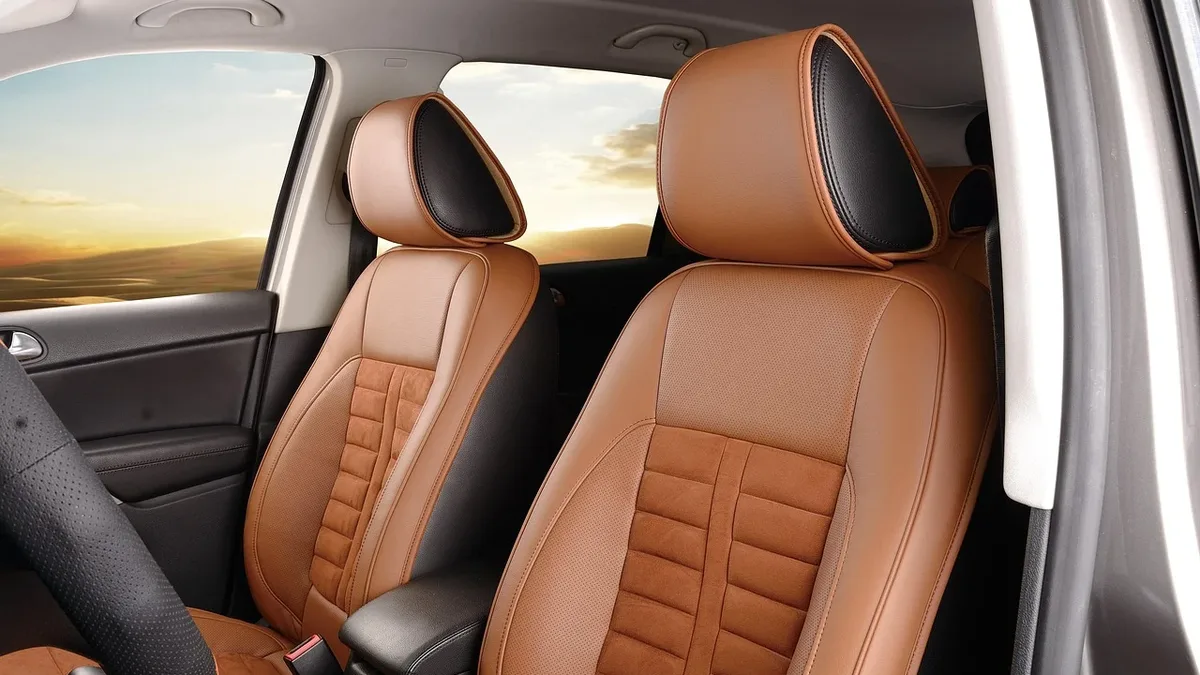
Specifications for vehicles in the 40 Lakh+ range are characterized by a substantial leap over those in lower price brackets. Transmission duties are almost exclusively handled by automatic gearboxes, with 8-speed or more units being common, and dual-clutch systems appearing in performance-oriented versions. Standard feature lists invariably include multiple-zone automatic climate control, leather upholstery, powered and ventilated front seats, and a large touchscreen infotainment system with smartphone integration. Safety specifications are comprehensive, featuring six or more airbags, electronic stability control, and a suite of parking sensors and cameras. Build and material quality sees a marked improvement, with extensive use of soft-touch plastics, genuine metal or wood trim, and superior sound insulation.
Overview
Occupying the 40 Lakh+ price point signifies entry into the premium automotive segment, where the ownership experience is expected to be qualitatively different. Vehicles here must convincingly justify their cost through a blend of tangible and intangible attributes that go beyond basic transportation. The ownership proposition shifts from mere utility to encompass brand prestige, emotional appeal, and a heightened sense of occasion during use. This segment is fiercely competitive, with offerings from German luxury stalwarts, Swedish safety-focused brands, Japanese reliability champions, and increasingly, Korean value-leaders. The financial outlay dictates that buyers scrutinize not just the vehicle's showroom appeal but its long-term durability, cost of maintenance, and residual value. It represents a significant economic commitment where the joy of enhanced performance and luxury is perpetually balanced against the reality of substantial depreciation and running costs.
What to know
A crucial factor to know is that the ex-showroom price is merely the starting point, with registration, insurance, and often additional dealer charges pushing the on-road cost significantly higher. Depreciation is a major financial factor, with most vehicles in this segment losing a substantial portion of their value within the first three years, though some brands hold value notably better than others. Maintenance and repair costs are non-trivial; genuine parts, specialist service requirements, and high-cost consumables like tyres and brakes contribute to a steep cost of living with the car. Insurance premiums are considerably higher than for mainstream cars, influenced by the vehicle's high value and expensive repair procedures. The driving experience, while generally superior, may involve a stiffer ride due to larger wheels and sportier tuning, which can be a drawback on poor road surfaces. Ownership also often entails a higher degree of attention to security and parking, given the vehicle's desirability and visibility.
Common questions
Prospective buyers commonly ask which brand offers the best after-sales service and network coverage, as luxury often falters in the service bay. Many inquire about the real-world fuel efficiency, as advertised figures rarely account for city traffic conditions where these powerful engines can consume significantly more. Questions regarding the comparative cost of scheduled servicing between different brands are frequent, with costs sometimes varying by a factor of two for similar work. Buyers often seek clarity on warranty periods and what is included, particularly concerning electronic components and expensive items like adaptive suspension or panoramic sunroofs. There is consistent curiosity about the actual usable space, especially in SUVs where exterior dimensions do not always translate to interior room. Another recurring question involves the necessity and cost of installing aftermarket protection like paint film or ceramic coating to preserve the vehicle's finish and value.
Pros and cons
A significant pro is the substantial gain in safety technology, build quality, and driving refinement, which provides a more secure and comfortable experience. The performance uplift is real, offering confident highway manners and effortless overtaking that cheaper cars cannot match. A major con is the severe financial depreciation, where a buyer can lose the equivalent of a new budget car's value in mere years, creating regret for those who need to sell early. Common ownership mistakes include underestimating running costs, leading to financial strain when faced with a major service or tyre replacement bill. Another genuine drawback is the increased vulnerability to minor damage; repairing a scraped bumper or alloy wheel on a sensor-laden premium car can be astonishingly expensive compared to a mainstream model. Those who prioritize pure utility over badge prestige often come to regret the choice, feeling the extra expenditure was not justified by their actual usage patterns.
Who it suits
This category best suits established professionals or business owners for whom the financial outlay is a comfortable proportion of their assets, not a stretch goal. It is appropriate for buyers who place a high value on technological innovation, driving dynamics, and cabin isolation, and are willing to pay a premium for them. The segment suits individuals who plan to keep the vehicle for a long duration, thereby amortizing the high initial cost and mitigating the sting of steep early depreciation. It is a poor fit for first-time luxury car buyers on a tight budget who have not accounted for the compounded cost of insurance, servicing, and consumables. Those who frequently drive in congested urban areas with poor infrastructure may not fully utilize the vehicle's capabilities while still bearing all its costs. It genuinely suits the buyer who derives significant personal or professional satisfaction from the ownership experience itself, viewing the car as more than just an appliance.
Latest 40 Lakh+ news
Latest reporting
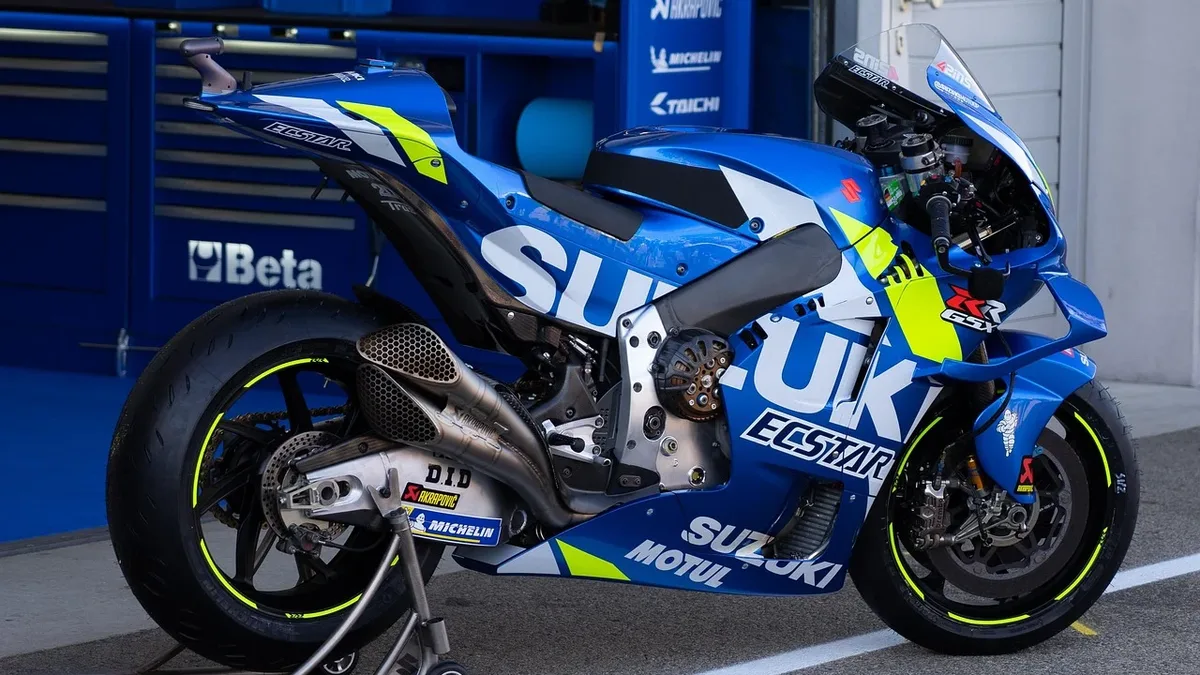
Suzuki Hayabusa Special Edition launch India
Suzuki Motorcycle India has launched the 2026 Hayabusa Special Edition at Rs 19.90 lakh ex-showroom Delhi. The model features exclusive Pearl Vigor...
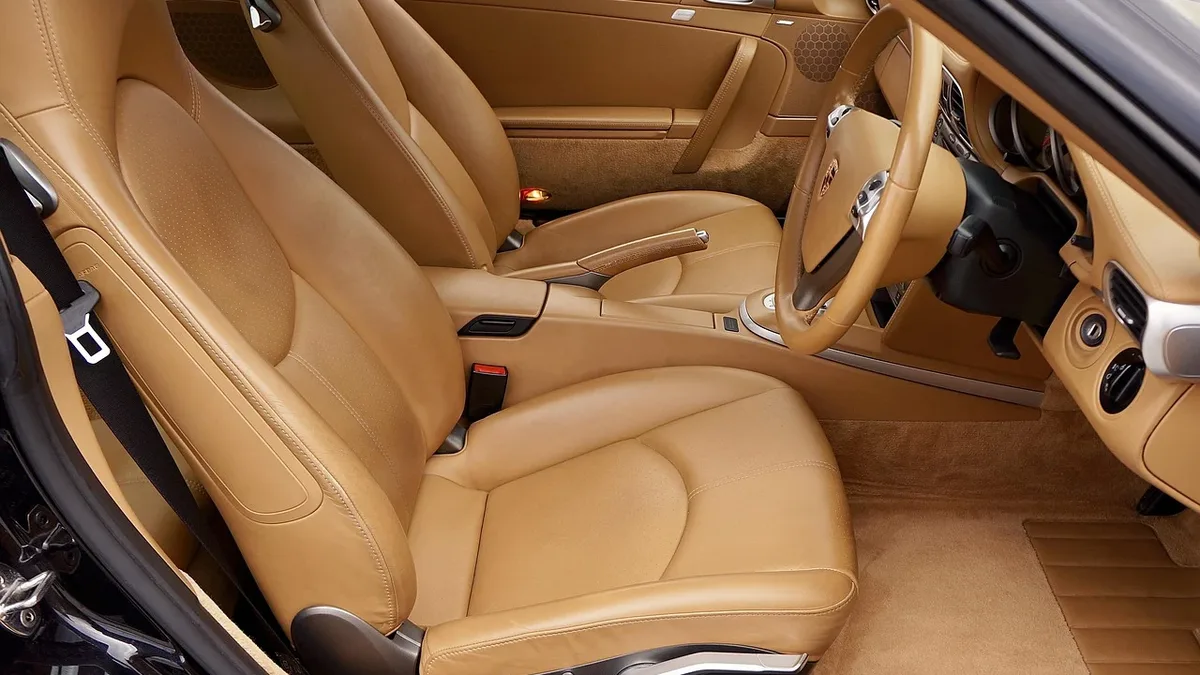
Tata Motors launches Aeris sedan with features across four
Tata Motors has launched the Aeris, a comprehensive update and rebranding of the Tigor sub-4 metre sedan, starting at Rs 5.29 lakh.
Mahindra Thar OG Review: New Platform, Higher Price
Mahindra launches the Thar OG, a mechanically upgraded 3-door off-roader with a new platform, suspension, and refined engines, priced from Rs 10.32...
Tata Aeris Launches in India with Dual-Cylinder CNG
Tata Motors has launched the Aeris compact sedan, a comprehensive facelift of the Tigor, starting at Rs 5.29 lakh.
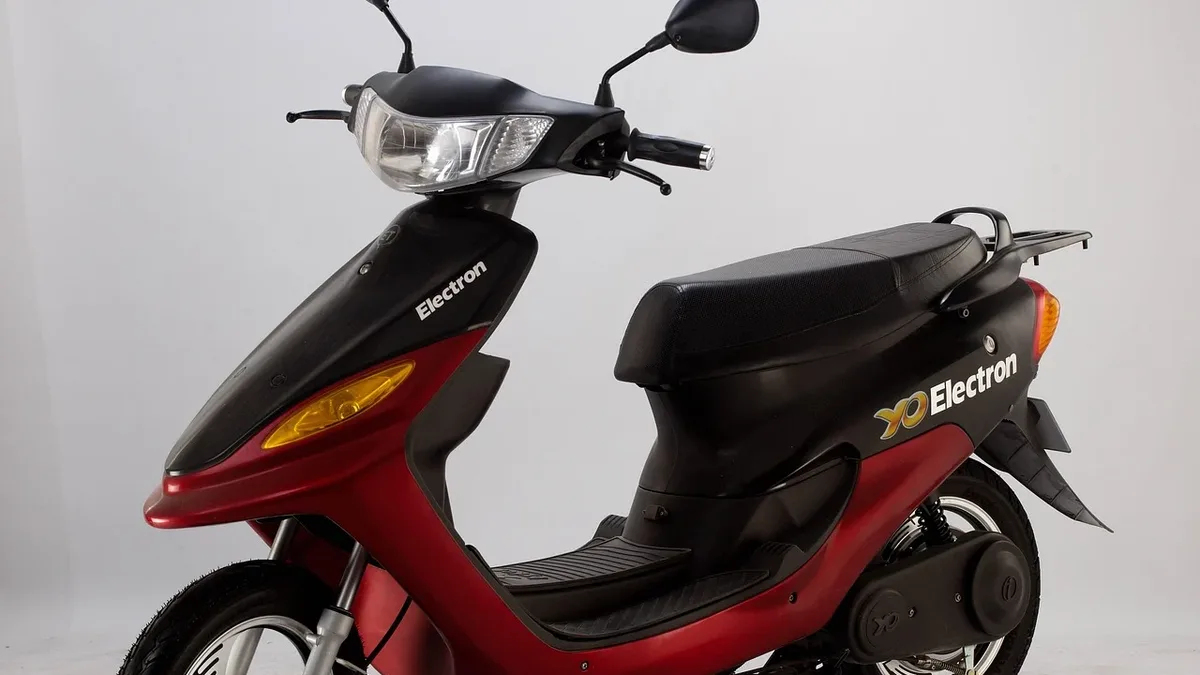
Honda launches QC3 electric scooter at Rs 1.35 lakh
Honda has launched its QC3 electric scooter in India at Rs 1.35 lakh. The model features a 3kWh battery, 32 litres of storage, and will be initially...

Honda launches updated CB350 range in India
Honda has launched its refreshed CB350, CB350RS, and CB350C motorcycles in India, with eight variants priced between Rs 1.95 lakh and Rs 2.05 lakh.