Mercedes-Benz Halts German Plant Investments Amid Labor Dispute
Mercedes-Benz has stopped all new investment in its German plants and is considering factory closures due to high labor costs and failed negotiations with unions.
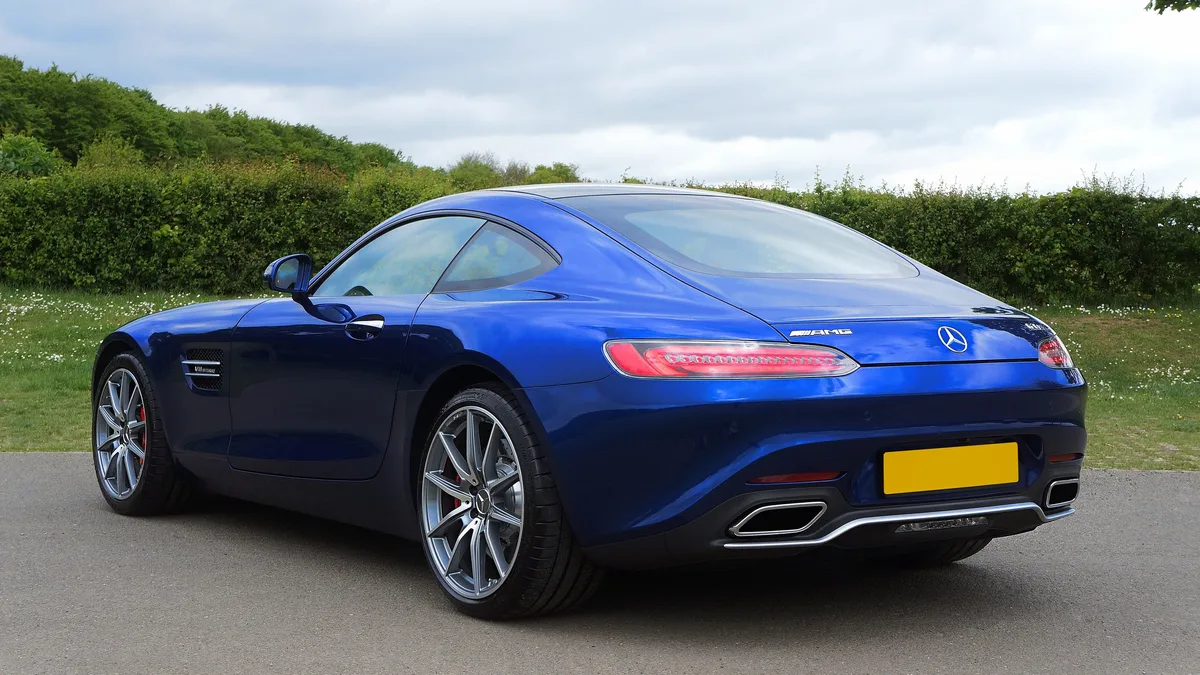
Mercedes-Benz has halted all new investment in its German plants. The decision, announced on November 12, 2026, was made due to an inability to agree with works council and union representatives on labor cost reductions. Management board member Michael Schiebe stated the company had "jointly decided to halt all further investments in our German locations." Mercedes' chief production officer said current cost structures make it impossible to invest in Germany. The company is now considering closing factories.
Negotiations with employee representatives have reached an impasse with no sign of a swift agreement. Mercedes is pushing for concessions on working conditions, including extending working hours without increasing pay. Measures being considered include cutting performance-related bonuses, holiday allowances, and Christmas bonuses.
Cost pressures and plant closure considerations
The main dispute concerns production costs. One hour of labor at German plants costs up to five times as much as at facilities in Eastern Europe. Mercedes-Benz is exploring site closures in Germany, with two plants at risk unless costs are reduced. Production chief Michael Schiebe warned two weeks ago that two German plants could be closed if savings were not achieved.
The closures would affect one car assembly plant and one facility producing powertrains and components. Mercedes operates several key locations.
It is not yet known which specific plants could be affected by potential cuts. In September, Michael Schiebe warned two plants could close if no progress was made on labor costs.
Industry-wide restructuring context
Mercedes-Benz's actions follow broader German auto industry restructuring. Volkswagen is negotiating with the IG Metall union on November 24, with strikes looming over plans that could lead to 100,000 job losses and the closure of up to four German plants. Volkswagen has triggered the largest ever restructuring in the German auto industry.
Supplier Schaeffler announced plans to cut 3,460 jobs and close five European sites, including four in Germany. Several other leading German carmakers, including BMW, Audi, and Porsche, are facing similar problems. Volkswagen and its subsidiary Audi have also announced extensive cost-cutting programmes and job reductions.
The crisis is escalating and impacting Mercedes-Benz after affecting Volkswagen. Volkswagen CEO Oliver Blume described the auto sector as being under 'enormous pressure' from Chinese competition and a rapidly changing market.
Strategic challenges and financial pressures
Mercedes-Benz is facing multiple headwinds. The company has invested heavily in electric vehicles, but demand for EVs in Europe and North America has been slower than anticipated. It has also struggled with rising competition from cheaper EVs imported from China. Mercedes' Chinese sales fell by around 19% in 2025. China historically accounted for around a third of its passenger-car sales.
Increased US tariffs under President Donald Trump cost Mercedes approximately €1 billion ($1.1 bln) in profit last year. The company has faced falling sales and a sharp decline in profits in recent years. Automotive expert Ferdinand Dudenhöffer warned that long-standing problems with Germany's competitiveness risk causing the industry to lose further ground without fundamental cost structure changes.
Human Resources Director Britta Seeger justified the investment halt by citing the difficult cost situation. She stated the company must examine which German sites can be maintained due to financial pressures. Britta Seeger said: "We all want to avoid plant closures at all costs. Unfortunately, however, we must now explore this option in more detail." The company's board of management member said they want to avoid closures but must now pursue them in more concrete terms. Mercedes-Benz will assess which German production sites can remain profitable long term.