Volkswagen
| Brand | Volkswagen |
|---|---|
| Country of origin | Germany |
| First created | 1930s |
| Original use | Affordable, practical family motoring |
| Road test verdict | Generally praised for ride comfort, interior quality, and refinement; often criticized for conservative styling and driving dynamics. |
| True cost of ownership | Typically mid-range; strong residual values can offset higher initial purchase price compared to some rivals. |
| Reliability record | Historically variable by model and generation; modern models have shown improvement. |
| Common powertrains | Front-engine, front-wheel-drive with turbocharged gasoline and diesel engines; some all-wheel-drive variants. |
| Typical body styles | Hatchback, estate, saloon, SUV. |
Origin and history
Volkswagen originates from Germany, with its creation fundamentally linked to state planning in the 1930s. The brand was conceived under a Nazi initiative to produce an affordable "people's car" for the German populace. The project was led by Ferdinand Porsche, who developed the initial vehicle design that would become iconic. Following World War II, control of the factory fell to the British Army, which was instrumental in restarting production and saving the enterprise. The company was re-established as a crucial part of West Germany's post-war economic recovery, formally becoming Volkswagenwerk GmbH. Its early survival and subsequent growth into a volume manufacturer are defining chapters in its industrial history.
What it is designed for
Volkswagen was explicitly designed to be a manufacturer of high-volume, practical vehicles for mainstream consumers. The core design philosophy prioritizes solid engineering, interior space efficiency, and a perceived quality of materials over dramatic styling or niche performance. This results in vehicles engineered for daily transportation duties with an emphasis on ride comfort, cabin quietness, and straightforward ergonomics. The brand targets buyers seeking a dependable and rational choice in the market, often positioning itself as a premium alternative to mainstream competitors without stepping into luxury branding. This purpose extends across its model range, from compact hatchbacks to large SUVs and people carriers. The design intention is consistently to deliver a balanced, competent, and widely acceptable driving experience.
Development and versions
Volkswagen's development is characterized by the evolution of shared platforms and modular engineering systems, most notably the MQB and MEB architectures. This strategy allows for high parts commonality across numerous models and brands within the Volkswagen Group, from Audi to Skoda, ensuring cost efficiency and manufacturing scalability. The brand has systematically expanded from its roots with the Beetle and Transporter to encompass a full lineup, including the perennial Golf, Passat, and Tiguan. Key versions often include differentiated trim lines focusing on comfort (like Highline) or sportiness (GTI, R-Line), alongside niche derivatives such as alltrack estates and performance-oriented GTI and R models. The recent and significant developmental pivot is towards electrification, with the ID. family representing a dedicated series of battery-electric vehicles. This platform-based evolution underscores a methodical, engineering-driven approach to model development and corporate growth.
Pros and cons
A significant pro is the generally solid build quality and interior finish, which often feels more substantial than many mainstream rivals, contributing to a sense of durability. The ride and handling are typically tuned for secure, predictable, and comfortable progress, making their cars easy and undemanding to drive in diverse conditions. A major con is the cost and complexity of repairs and maintenance, especially for modern models with extensive electronic systems, which can lead to high garage bills outside of warranty. The common mistake is underestimating the true cost of ownership, as depreciation can be steep on many models and proprietary parts are expensive. Some buyers regret choosing higher-specification or complex engine variants when problems arise, finding that the promised premium experience is marred by reliability niggles and costly fixes. The brand's widespread use of turbocharged small-displacement engines can also sometimes lead to long-term reliability concerns compared to simpler, naturally aspirated units from some competitors.
Who it suits
Volkswagen suits buyers who prioritize a feeling of solidity, cabin refinement, and predictable dynamics over standout styling or the lowest purchase price. It is a strong match for practical families and high-mileage drivers who value comfort, space efficiency, and a widespread dealer network for convenience. The brand appeals to those who are willing to pay a slight premium over basic transportation for a more polished driving experience and interior environment. It is less suited to enthusiasts seeking engaging, driver-focused vehicles, with the notable exception of its specific GTI and R performance models. Cost-conscious owners who plan to keep a vehicle well beyond its warranty period may find the maintenance expenses burdensome compared to some rivals. Ultimately, Volkswagen is for the mainstream buyer making a considered, rational choice who accepts the potential trade-offs in running costs for perceived quality and brand reputation.
Latest Volkswagen news
Latest reporting
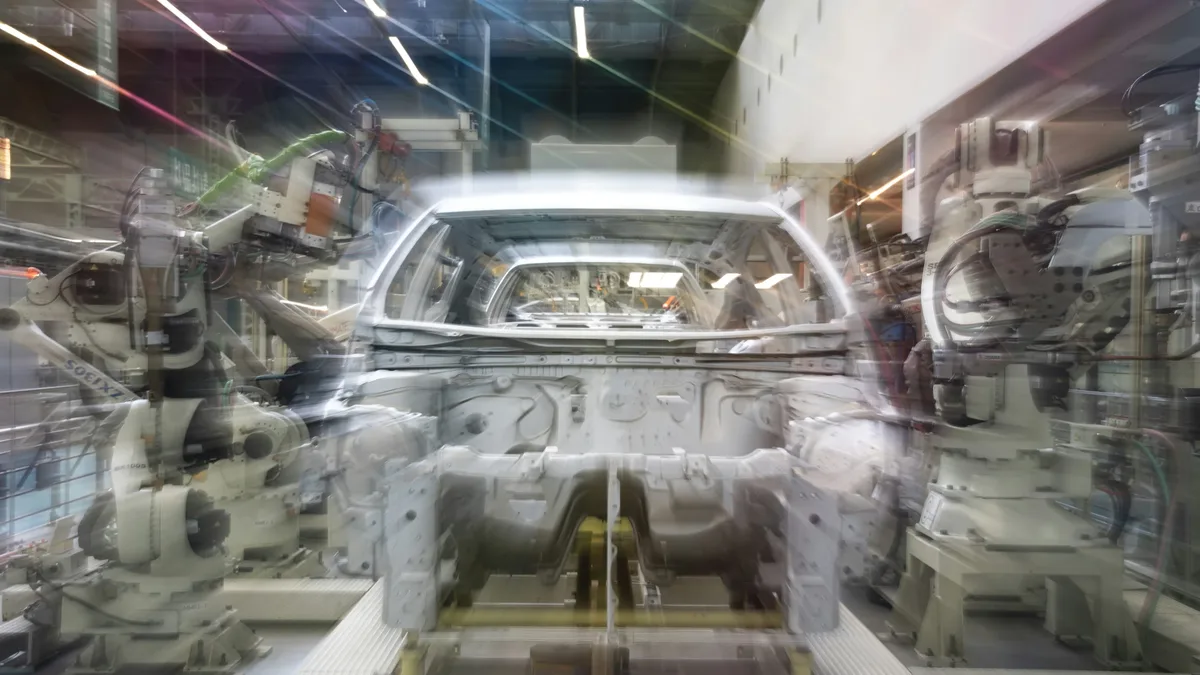
Skoda Slavia Facelift Production Starts in Pune
Skoda Auto Volkswagen India has begun production of the updated Slavia sedan at its Chakan plant ahead of the festive season launch.
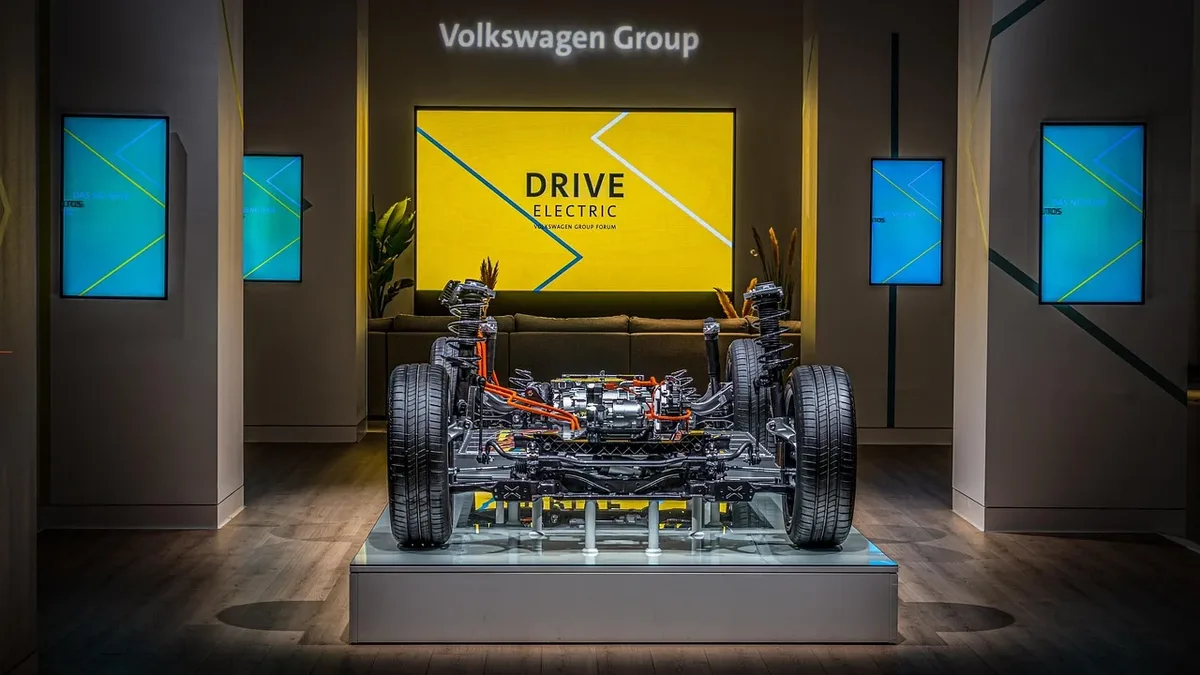
Skoda-VW India and JSW Group explore
Skoda Auto Volkswagen India has signed a non-binding MoU with the JSW Group to explore a strategic partnership focused on expanding EV portfolios
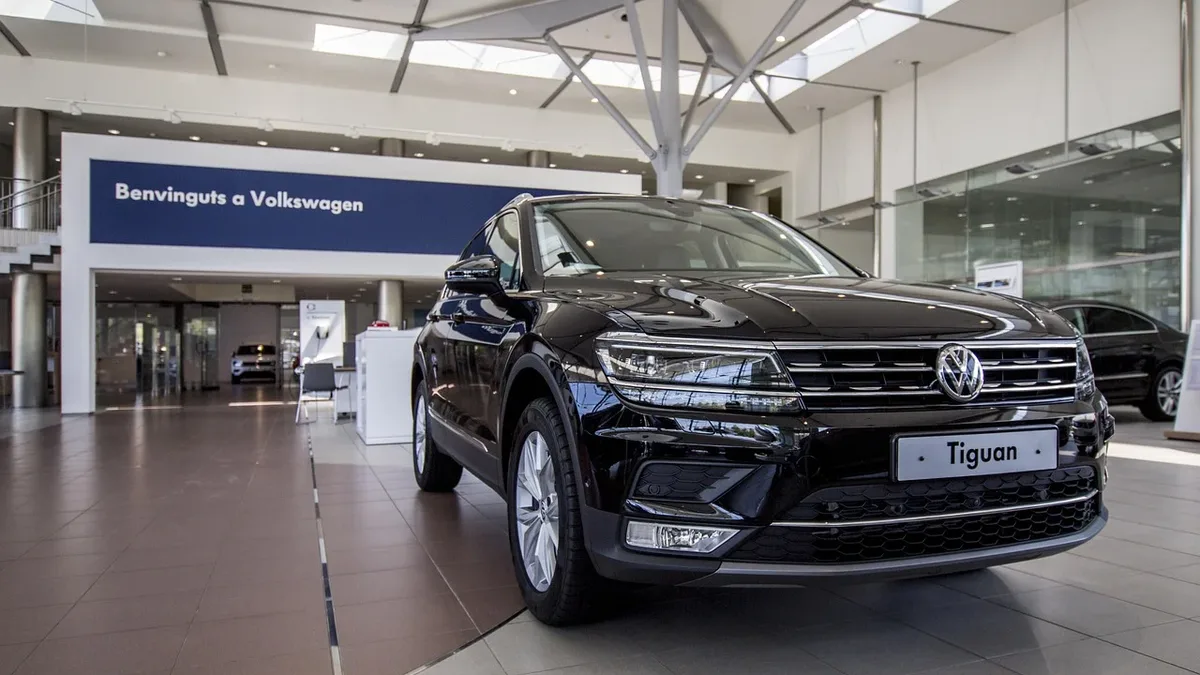
Volkswagen offers September discounts on four models
Volkswagen is providing discounts of up to Rs 6 lakh on the Tiguan R-Line, along with benefits on the Taigun, Virtus, and Tayron in September 2026.
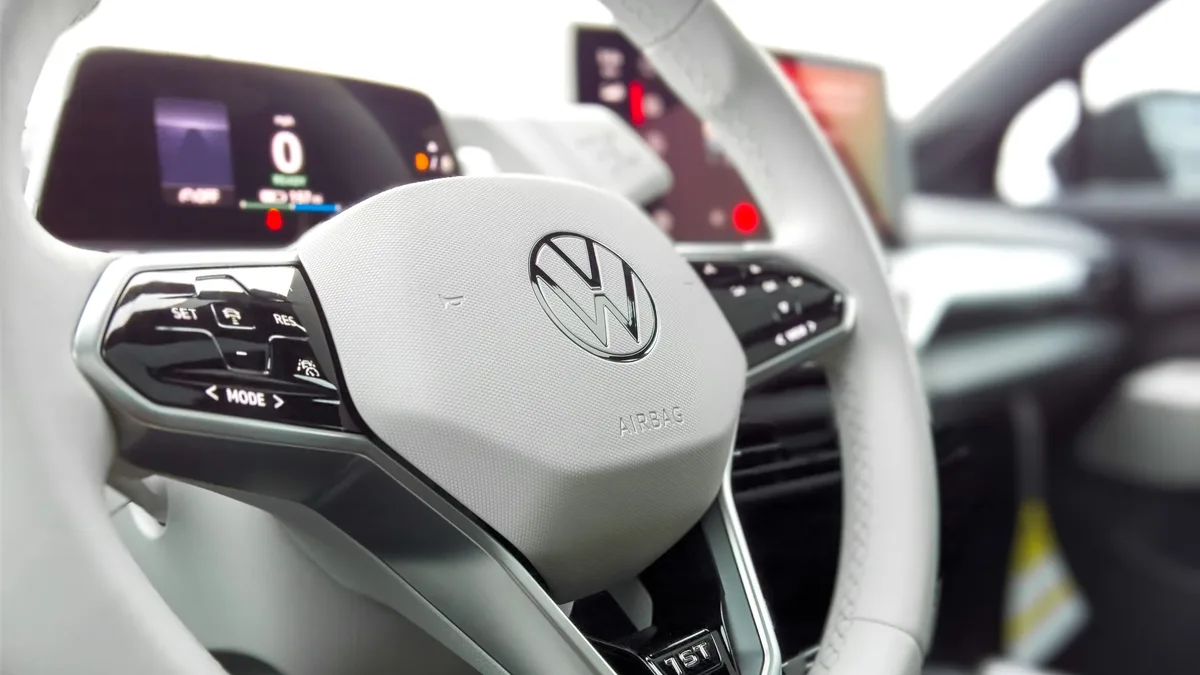
Volkswagen Tukan Pickup Challenges Fiat Strada in Brazil
Volkswagen's new Tukan pickup is set to replace the ageing Saveiro and challenge the bestselling Fiat Strada in the Brazilian market.
Skoda Slavia Facelift: Minor Updates and New Features
Skoda has introduced a mid-cycle update to the Slavia, with minor cosmetic tweaks and added features. The facelifted model has hit showrooms ahead of...