Suzuki targets 100 kg weight reduction by 2030
Suzuki plans to cut 100 kg from future vehicles by 2030 through systematic lightweighting of structures, components, and CNG systems, aiming to boost
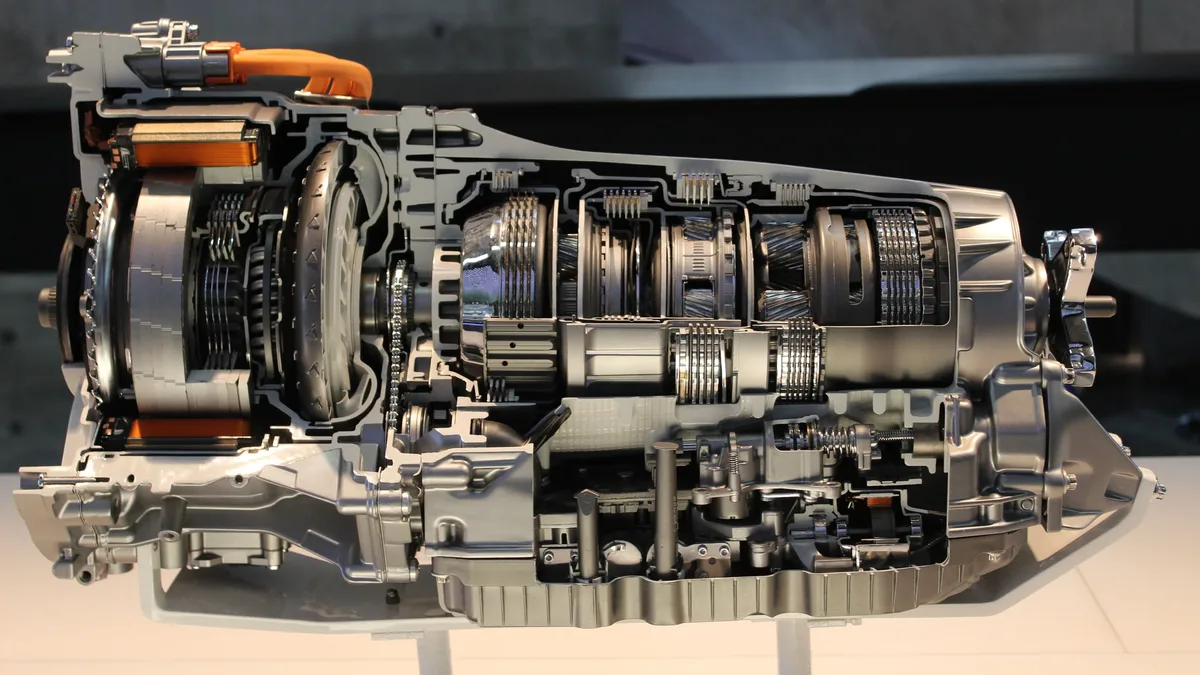
Suzuki aims to cut 100 kg from its future vehicles by 2030. This target will be met through systematic lightweight engineering across vehicle architecture, powertrains, electrical systems, and individual components.
The strategy is a direct response to rising vehicle masses. Suzuki states the average vehicle has become about 10 percent heavier over the past five years. The goal is to achieve this 100 kg reduction while still meeting all crash-safety requirements. The company intends to combine multiple small savings across vehicle systems rather than relying on one major change. Suzuki has identified a route to roughly 80 kg of weight reduction in 2025 and the full 100 kg goal by 2030.
Suzuki has not named a specific production model or kerb-weight baseline for this target. Its 2026 technology roadmap specifies a clear path to 100 kg by 2030 and investigation of an additional 20 kg. The programme targets improved efficiency and practicality for Indian buyers, including those considering CNG models.
Material and Design Innovations
Higher-strength steel is a key enabler of the weight reduction plan. Suzuki uses steel with a strength of 1,470 Megapascals, compared to ordinary 270 MPa steel. This allows for thinner material sections while maintaining overall rigidity.
Material strength alone is not enough. Suzuki highlights that it must be supported by carefully designed shapes and structures. The company's approach focuses on controlling crash energy through vehicle layout, available deformation space, materials, and component design. The goal is to avoid simply adding reinforcement, which adds mass. Engineers from body, powertrain, electrical, and production teams collaborate to optimise the entire vehicle structure.
Component-Level Savings
Significant weight savings will come from scrutinising the smallest parts. For example, reducing the head size of a standard M8 bolt saves approximately one gram. With over 2,000 bolts in a typical car, the cumulative saving becomes substantial.
A major saving is planned for CNG systems. Suzuki aims to reduce the weight of a CNG cylinder from 60 kg to just 20 kg. This single change would yield a saving of approximately 40 kg. The company is also studying potential weight reductions up to 120 kg beyond the core 100 kg target.
Safety and Crash Energy Management
The weight reduction plan is integrated with safety engineering. Suzuki is examining vehicle layout and deformation space to manage crash energy without adding structural reinforcement. One specific measure involves moving the engine forward. This optimises the space between the engine and the occupant cabin, creating additional room for controlled deformation during a collision.
Suzuki’s approach to safety includes managing how crash energy travels through the vehicle. The company's Technology Strategy Briefing 2026 outlined initiatives to reduce energy consumption while simultaneously meeting safety requirements. The philosophy is to optimise, not add.
Future Electrification Pathway
Lightweighting is key for Suzuki's future electrification strategy. Lower vehicle mass directly reduces the battery capacity required for electric vehicles. For petrol and hybrid vehicles, it decreases the energy needed for acceleration.
This links directly with Suzuki's 'lean battery' strategy for future electrified powertrains. The company's powertrain roadmap includes a new turbo-petrol engine for India, a 48V hybrid system for mini vehicles, and series-hybrid and plug-in range-extender options for compact cars. A broader benefit of weight reduction is reduced energy consumption across a vehicle's lifecycle. A 200 kg weight reduction can cut production energy by about 20 percent and driving energy by about 6 percent.
Suzuki says it has identified a path towards a 100 kg reduction through changes across vehicle architecture, powertrains, electrical systems and individual components. The company will continue studying additional 20 kg weight savings beyond the 2030 target.