Tesla unveils three new Roadster variants with sub-second acceleration
Tesla has revealed three configurations of its next-generation Roadster, claiming extreme acceleration figures down to 0.59 seconds for a Rocket variant that uses aerospace-inspired thrusters, with production targeted for 2028.
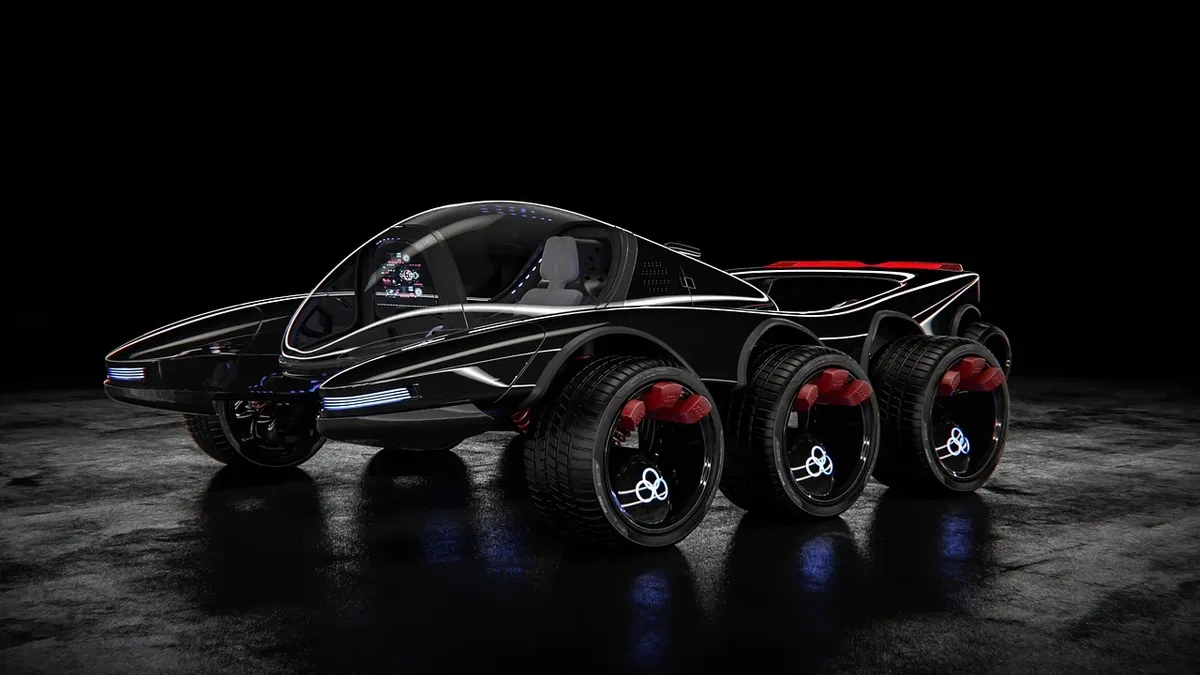
Tesla has detailed three new Roadster configurations: Performance, Thrust, and Rocket. The company claims each variant offers distinct performance levels, with the single-seat Rocket model allegedly capable of flight using cold-gas thrusters. Elon Musk, CEO of Tesla, stated production of the Roadster is targeted to begin in 2028.
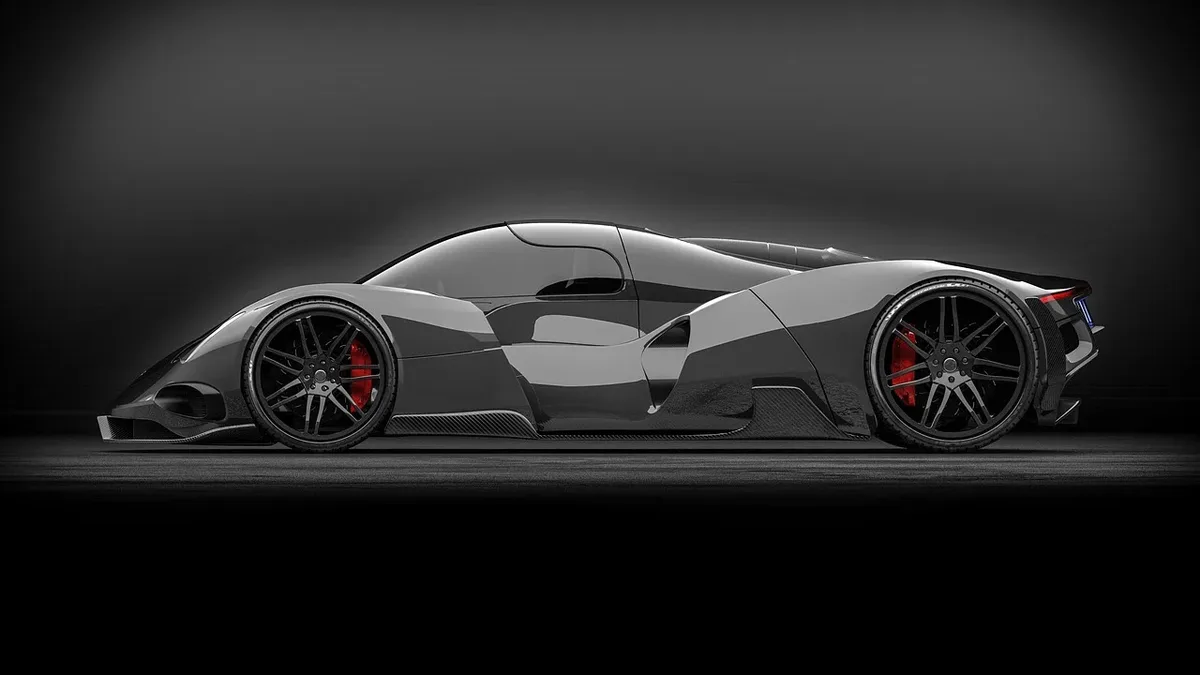
The two-seat Performance version is intended for road use, combining active aerodynamics with a multi-mode suction system. The Thrust variant adds rear-mounted cold-gas thrusters to that suction system and is positioned for track use. Tesla's claimed acceleration figures for the variants, referring to acceleration to approximately 96.6 km/h, are as follows:
| Variant | Claimed 0-60 mph Time |
|---|---|
| Performance | Under 1.6 seconds |
| Thrust | Under 0.9 seconds |
| Rocket | Under 0.59 seconds |
Aerospace-derived technology enables extreme performance
The Roadster incorporates cold-gas thrusters, suction systems, and aerodynamic features inspired by aircraft and SpaceX technology. Tesla claims its thruster system can produce four to five times the force available through the tyres alone. The company identifies the SR-71 and F-35 aircraft as design influences.
A fan suction system on the car's underside helps pull it towards the driving surface. Tesla claims tyre-only traction is typically about 1.26 G, while this fan system allows cornering at more than 2 G. The system has two modes: low-speed suction for traction and a high-speed opening to increase airflow. Tesla has a patent titled 'Adaptive Vehicle Aerodynamics for Downforce' describing fans in airflow pathways with deployable skirts, though it did not confirm if the production car will use them.
The car features a variable rear wing whose mechanism uses actuator technology associated with Tesla's Optimus programme. It can switch between high-downforce, low-drag, and a folded-away Road Mode automatically. Lars Moravy, associated with Tesla, spoke about the vehicle's traction and aerodynamics. The Rocket variant features perimeter-mounted cold-gas thrusters for attitude control and main thrusters in the rear, enabling claimed forward and upward acceleration as well as rotational movement.
Design and construction reflect lightweight, track-focused ethos
The new Roadster features angular, aerospace-inspired bodywork with concealed headlights, a full-width rear light, and flush-mounted surfaces. It sports lightweight wheels with thin spokes, distinguishing it from the earlier concept. An Ano White finish draws on aerospace coatings, while gold-tinted glass and titanium accents continue the aircraft theme.
Inside, Tesla describes an ultrawhite cabin with grey microsuede detailing and supportive seat bolsters. Manual controls and a fixed seat position are intended to reduce weight. The company uses magnesium, titanium, and carbon fibre to limit mass. Tesla has not disclosed confirmed kerb weight, battery capacity, motor output, or detailed powertrain configuration.
Demonstrations showed dynamic capabilities despite concept status
Tesla unveiled this substantially redesigned Roadster nearly nine years after showing its earlier concept in 2017. The reveal event took place at SpaceX’s rocket test site in McGregor, Texas, preceded by a static fire of a SpaceX Raptor rocket engine. The demonstration was shown live via webcast.
The vehicle, which remains a concept, performed a series of maneuvers. It drove up a curved wall until hanging nearly upside down at 21 metres off the ground, with a downforce readout showing 4,700 kg. After releasing from the top, thrusters braked its fall, registering 3.3 G. The demonstration also included a controlled airborne flip over parked Tesla vehicles, a barrel roll, and hovering using jets of compressed air from SpaceX thrusters. The car was not driven by a person during these demonstrations; it was technically autonomous for safety.
Franz von Holzhausen is Tesla’s design chief. Tesla states that in customer hands, the Roadster will be the only manually driven car it makes in the long run. Reservations have opened for the new Roadster, with final production specifications and delivery arrangements still to be determined.