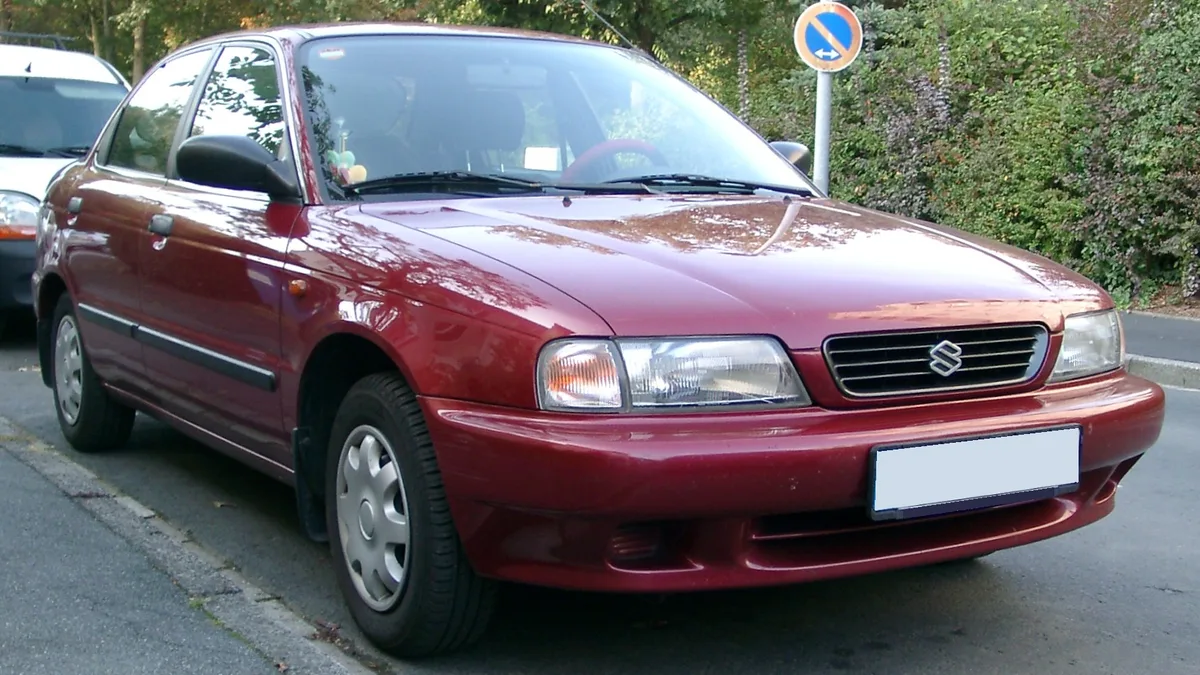
Maruti Suzuki Baleno
| Body style | 5-door hatchback |
|---|---|
| Country of origin | Japan |
| First launched | 2015 |
| Original use | Personal transportation |
| Engine configurations | 1.2L petrol, 1.3L diesel (discontinued), 1.0L turbo-petrol (Boosterjet) |
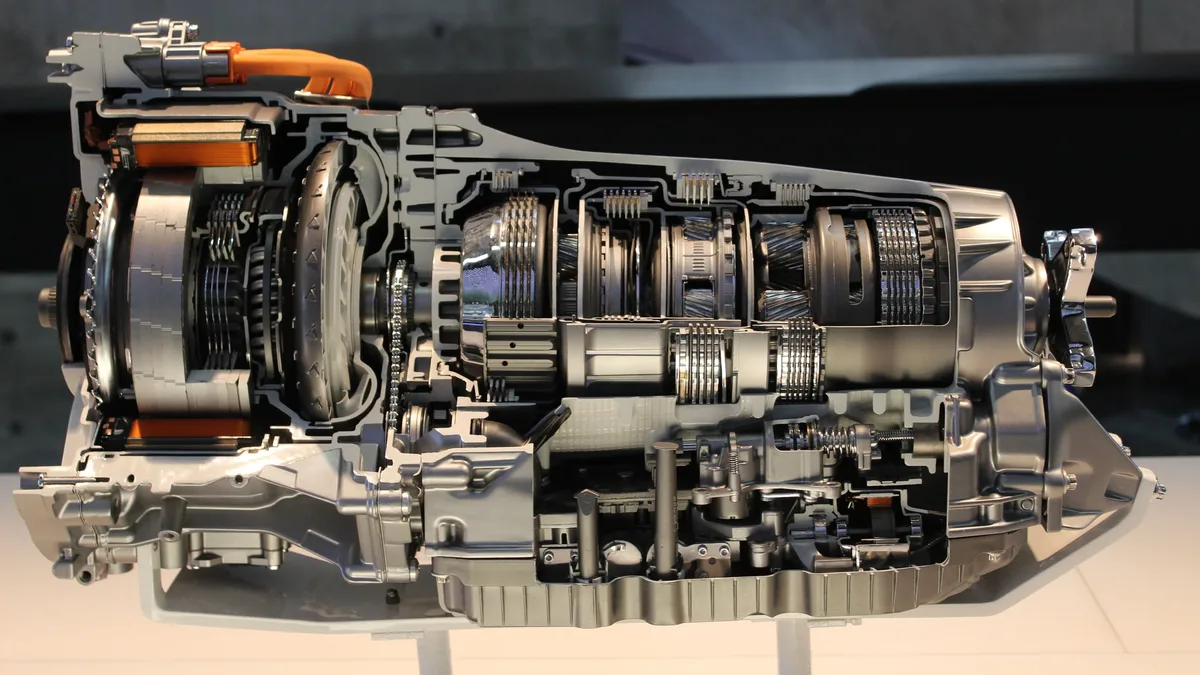
| Transmission options | 5-speed manual, CVT automatic |
| Fuel efficiency (ARAI) | Approximately 21-23 km/l for petrol variants |
| Common road test verdict | Praised for spacious interior, premium feel, and fuel efficiency; criticized for light steering and average highway stability. |
Origin and history
The Maruti Suzuki Baleno is a compact hatchback that originates from Japan, developed by Suzuki Motor Corporation. It was first launched globally in the late 2010s, marking Suzuki's entry into the global premium hatchback segment. The model was introduced to compete directly with established rivals in markets across Europe and Asia. In India, the car is manufactured and sold by Maruti Suzuki, a subsidiary of Suzuki, and became one of the brand's premium offerings within its domestic lineup. The Indian-market Baleno, which is a specific model developed for emerging markets, commenced sales in the mid-2010s. Its introduction represented a strategic move for Maruti Suzuki to capture buyers looking for more feature-rich and spacious vehicles than traditional small cars.
What it is designed for
The Baleno is designed as a premium five-door hatchback focused on providing interior space and comfort within a compact footprint. Its primary design goal is to offer a practical and efficient family car with a more upmarket feel than basic economy models. The vehicle targets urban and suburban users who require a comfortable cabin for daily commutes and occasional longer journeys. Emphasis is placed on a tall, airy cabin with generous headroom and legroom for all occupants, along with a usefully sized boot. It is engineered for low running costs, featuring fuel-efficient petrol engines suited to stop-start city traffic. The design also incorporates a higher seating position and large windows to enhance visibility and ease of driving in congested conditions.
Development and versions
The global Suzuki Baleno was developed as part of Suzuki's renewed global product strategy in the 2010s, sharing its platform with other models like the Ignis. For the Indian market, Maruti Suzuki developed a distinct version tailored to local preferences, which differs significantly from the global hatchback sold in Europe. This version is built on Suzuki's HEARTECT platform, which aims to improve structural rigidity and safety while reducing weight. Over its production life, the Indian Baleno has received several facelifts, updating its styling, features, and engine options to remain competitive. Key versions have included Sigma, Delta, Zeta, and Alpha trim levels, offering progressively more equipment. A notable update introduced a mild-hybrid system across the range to improve fuel efficiency, and a sportier RS variant was also offered with specific cosmetic enhancements.
Pros and cons
The car's light controls, high seating position, and good visibility make it exceptionally easy and stress-free to drive in urban environments. Its petrol engines, particularly the later mild-hybrid units, are generally refined at low speeds and deliver competitive real-world fuel economy, keeping running costs low. Common cons include a perceived lack of solidity in the door shut and cabin materials compared to some rivals, with harder plastics used in areas. The ride quality is often criticized for being overly firm at low speeds, transmitting sharp bumps into the cabin, while high-speed stability can feel compromised due to its light steering. Owners sometimes regret the choice if they frequently drive on highways, where engine noise increases noticeably and the lack of heft can make the car feel less planted.
Who it suits
The Baleno suits urban families and first-time car buyers who prioritize cabin space, ease of driving, and low fuel consumption above all else. It is an ideal choice for those whose driving is predominantly within city limits, where its maneuverability and visibility are major assets. The car appeals to buyers seeking a feature-loaded vehicle within a reasonable budget, as it often offers more equipment for the money than key competitors. It is less suited to driving enthusiasts or those who regularly undertake long highway journeys, as the driving experience lacks engagement and high-speed refinement. The Baleno also fits buyers loyal to the Maruti Suzuki brand for its widespread service network and proven reliability of its petrol powertrains. It is a poor match for anyone requiring a sense of premium build quality or a plush ride, as these are trade-offs made to achieve its space and efficiency goals.
Latest Maruti Suzuki Baleno news
Latest reporting
Suzuki to make core ADAS standard on affordable India cars
Suzuki will make autonomous emergency braking and lane-departure prevention standard across its future vehicles in India, including affordable models.
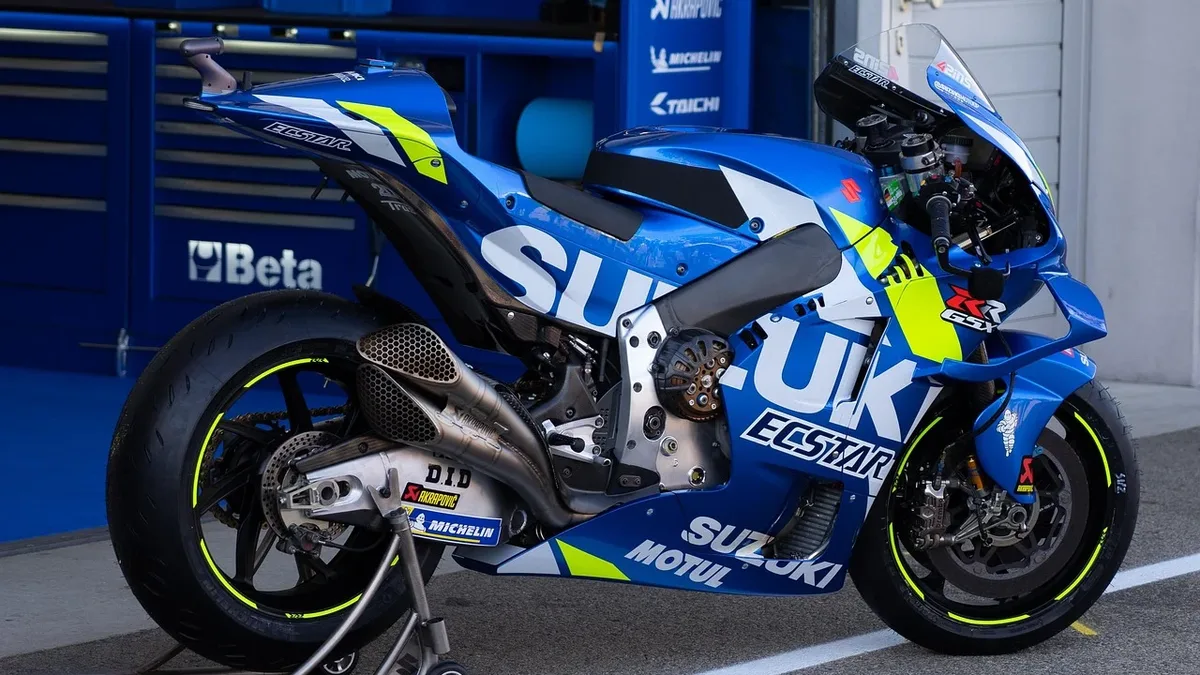
Suzuki Hayabusa Special Edition launch India
Suzuki Motorcycle India has launched the 2026 Hayabusa Special Edition at Rs 19.90 lakh ex-showroom Delhi. The model features exclusive Pearl Vigor...
Suzuki confirms series hybrid and REEV Light
Suzuki is developing a series-hybrid powertrain for compact cars, with a 1.2-litre engine acting as a generator, and plans to evolve it into a plug-in
Suzuki targets 100 kg weight reduction by 2030
Suzuki plans to cut 100 kg from future vehicles by 2030 through systematic lightweighting of structures, components, and CNG systems, aiming to boost

Renault Duster Hybrid Launches in India on October 17
Renault India will launch the Duster hybrid SUV on October 17, 2026, introducing a new 160hp E-Tech powertrain to compete with rivals like the Maruti...
Maruti Suzuki's 2027 Lineup: New EVs, Hybrids, and SUVs
Maruti Suzuki is preparing a wave of new models for India by 2027, including its first three-row electric vehicle, a hybrid Fronx, and a new small SUV