Thailand
| Country of origin | Thailand |
|---|---|
| Original use | Road test verdict publication |
| First created | Late 20th century |
| Primary metric | Expert driving evaluation |
| Secondary metric | Long-term ownership analysis |
| Typical criteria | Performance, practicality, reliability, value retention |
| Common format | Comparative review with rivals |
| Target audience | New car buyers |
Origin and history
Thailand originates from the mainland Southeast Asian region, with its national identity and borders largely established by the mid-20th century. The country's modern constitutional monarchy was formally established in the 1930s, following a peaceful revolution that ended the absolute monarchy. Its historical development is distinct in the region for avoiding formal colonization by European powers during the 19th and early 20th centuries. The nation's core ethnic identity is rooted in the Tai peoples who migrated into the area from southern China over many centuries. The name "Thailand" itself, meaning "Land of the Free," was adopted in the 1930s, reflecting this national narrative of independence. The country's current territorial form is the result of a long process of centralization under the Chakri dynasty, which has reigned since the late 18th century.
What it is designed for
Thailand is designed as a unified nation-state with a constitutional monarchy serving as its central, stabilizing institution. Its political and administrative systems are structured to manage a diverse population across distinct geographic regions, including the central plains, the northeastern plateau, the northern mountains, and the southern peninsula. The economy is designed for a mix of robust agricultural production, increasingly sophisticated manufacturing, and a dominant services sector centered on tourism. Its legal and social frameworks aim to balance traditional Buddhist cultural values with modern economic development and global integration. The infrastructure, particularly in urban centers like Bangkok, is designed to support its role as a regional transportation and commercial hub within Southeast Asia. Furthermore, its educational and public health systems are designed to serve a large and aging population while striving for continual improvement in quality and access.
Development and versions
Thailand's development has progressed through several distinct phases, from a largely agrarian society to a newly industrialized economy. A significant version of its modern economy emerged in the latter half of the 20th century, characterized by import-substitution industrialization followed by export-oriented growth. The tourism sector developed into a major economic pillar from the 1980s onward, with successive national plans aiming to diversify destinations beyond Bangkok and major beach resorts. Politically, versions have alternated between periods of elected civilian government and intervals of military administration, with numerous constitutions promulgated since the 1930s. Its industrial base has developed from light textiles and agro-processing to include more advanced electronics, automotive manufacturing, and regional headquarters for multinational corporations. Contemporary development challenges include managing economic inequality between urban and rural areas, addressing environmental degradation from rapid industrialization, and navigating the economic competition within the broader ASEAN community.
Pros and cons
A significant pro is Thailand's resilient and diversified economy, which has shown an ability to recover from regional financial crises and global shocks, supported by strong agricultural foundations and a world-leading tourism sector. The cost of living, particularly outside premium urban districts, can be relatively low while offering a high standard of services, from healthcare to dining. A major con is the persistent political instability, where periods of democratic progress are often interrupted by military coups, creating uncertainty for long-term business planning and foreign investment. Infrastructure, especially road traffic in Bangkok, is a notorious drawback, with severe congestion leading to very long and unpredictable commute times that erode quality of life. The economic model also leads to pronounced regional inequality, where the northeast remains significantly less developed than the central industrial corridor, limiting opportunity. A common mistake for businesses or expatriates is underestimating the complexity of bureaucratic processes and the importance of informal networks, which can make seemingly straightforward administrative tasks protracted and frustrating.
Who it suits
Thailand suits investors and manufacturers seeking a established base within Southeast Asia, with relatively good infrastructure, a large domestic market, and integration into regional production networks, particularly for automotive and electronics industries. It suits tourists and retirees looking for a tropical climate, renowned hospitality, affordable healthcare, and a rich cultural and culinary landscape, provided they are based outside the most congested urban cores. It suits large-scale agricultural exporters specializing in commodities like rice, rubber, tapioca, and sugar, who benefit from the country's fertile central plains and established supply chains. It does not suit those requiring absolute political predictability or a consistently transparent regulatory environment, as the rules of engagement can shift with changes in administration. It suits service-oriented entrepreneurs who can navigate local partnerships and understand the nuances of the Thai consumer market, which values both modern convenience and traditional relationships. Finally, it suits individuals and organizations with a high tolerance for ambiguity and a long-term perspective, who are prepared to build relationships and adapt to the country's unique rhythms and realities.
Latest Thailand news
Latest reporting

New Mitsubishi Pajero Priced from 1.6 Million Baht
The fifth-generation Mitsubishi Pajero will launch in Thailand on October 19, 2026, with unofficial launch prices ranging from 1.6 to 1.9 million...
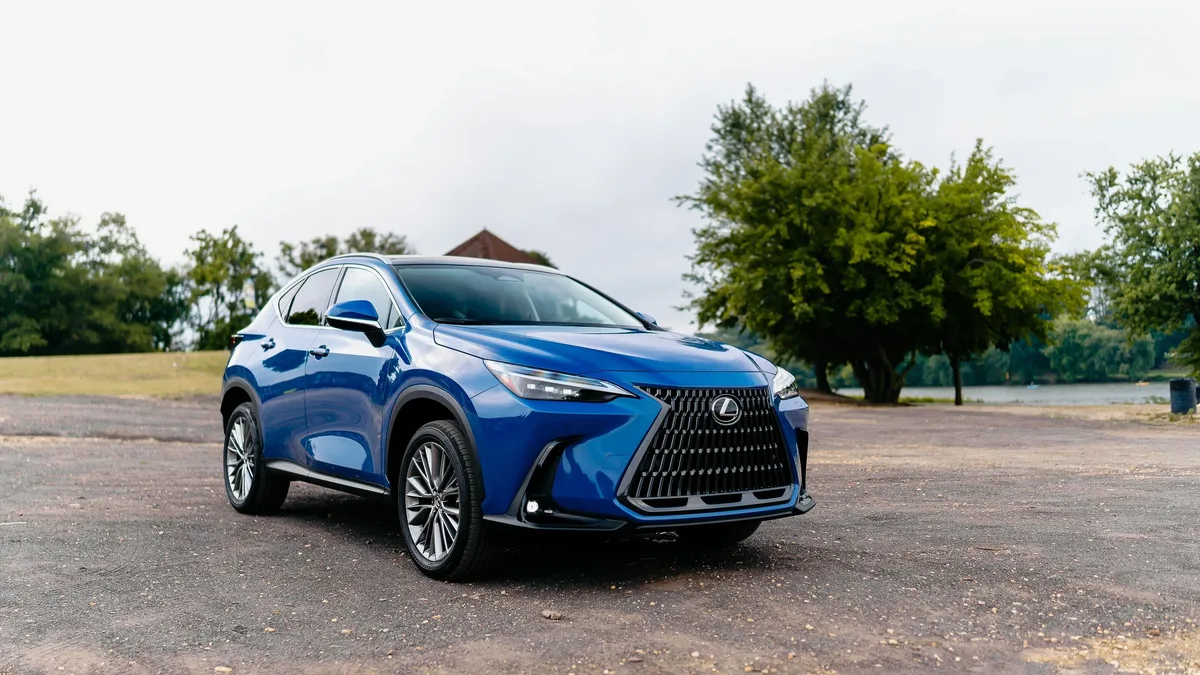
2026 Mitsubishi Pajero SUV Returns
Mitsubishi has unveiled the fifth-generation Pajero, a flagship seven-seat SUV set for a global debut in Japan and first sales in Thailand in October...

Mitsubishi Pajero Returns as Flagship SUV
Mitsubishi has unveiled the new Pajero SUV. Production starts in Thailand, with sales beginning there in October 2026, followed by a global launch.
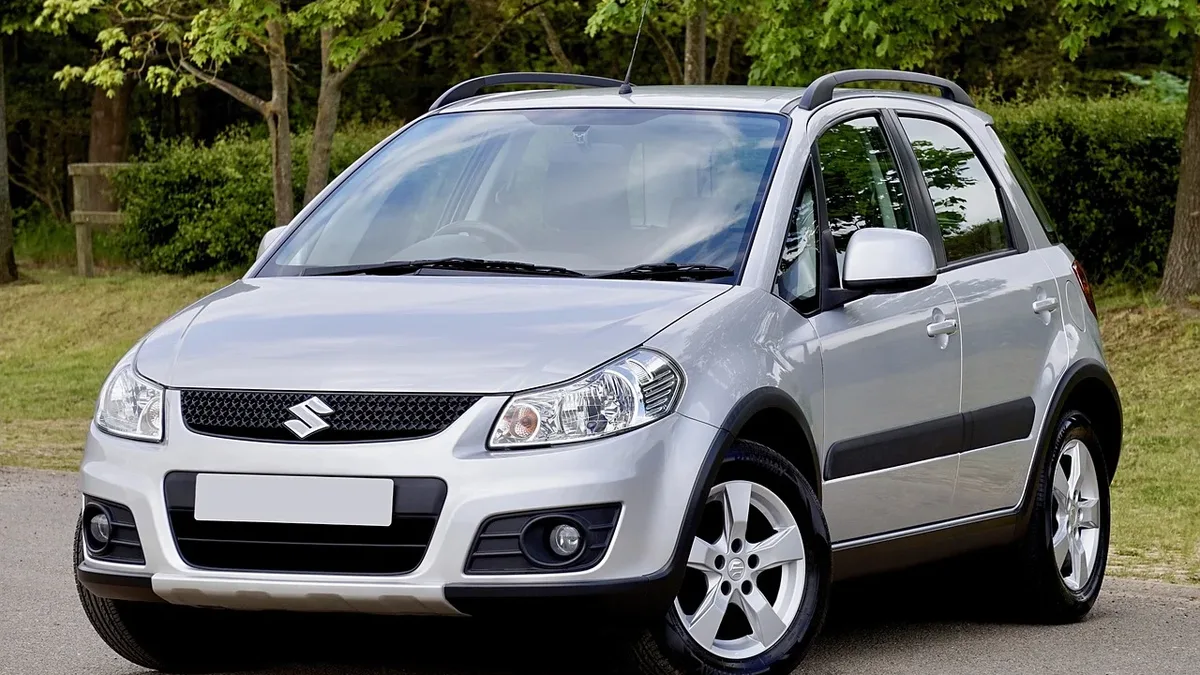
Suzuki Fronx price cut in Thailand
Suzuki is offering substantial discounts on its Fronx crossover in Thailand, with special prices starting at 599,000 baht.
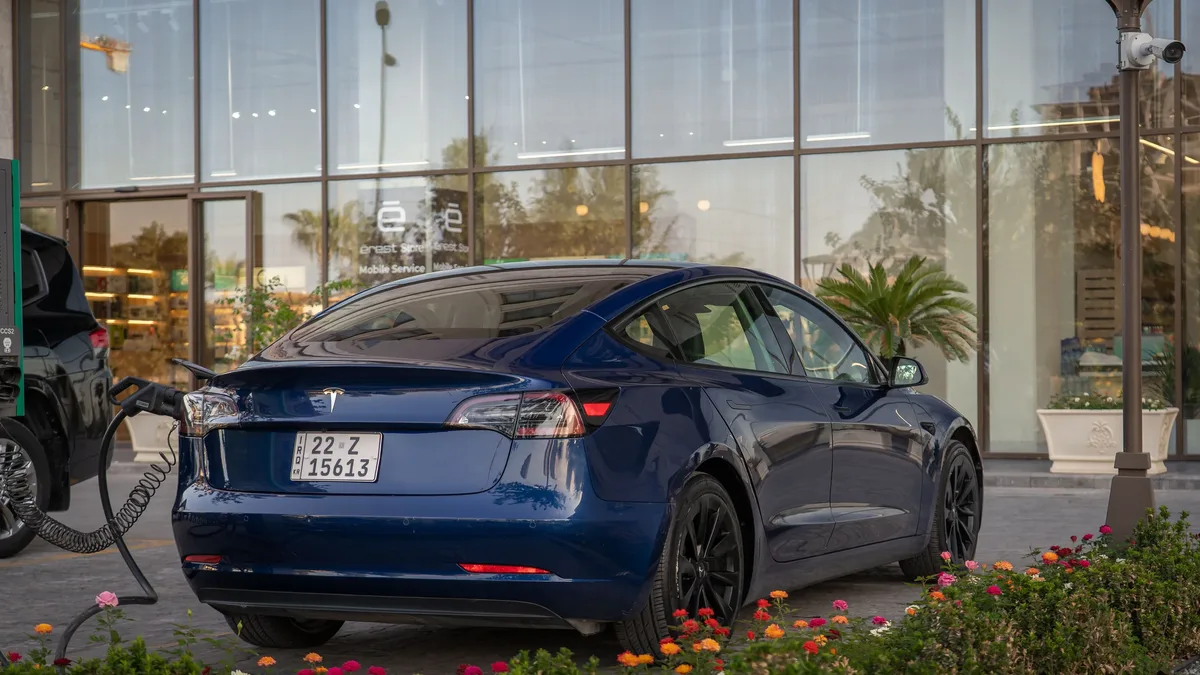
Mazda Thailand to launch CX-6e EV in 2026
Mazda Thailand will launch the fully electric CX-6e SUV, imported from China, in late 2026. The company also plans a 5,000 million baht investment to...

Toyota Land Cruiser FJ launched in Indonesia
Toyota introduces the Land Cruiser FJ to the Indonesian market, offering two trims including an Adventure Type with distinctive styling and a...