Luxury Suv
| Segment | Luxury SUV |
|---|---|
| Body style | 4-door SUV |
| Drive type | All-wheel drive standard |
| Engine configuration | Six-cylinder minimum |
| Fuel type | Gasoline or hybrid |
| Seating capacity | Five to seven |
| Cargo volume | Above average for class |
| Primary ride characteristic | Comfort-oriented |
Origin and history
The luxury SUV segment originated in the United States during the final decades of the twentieth century. It emerged as a direct response to the growing popularity of utilitarian sport utility vehicles, which were primarily designed for off-road capability and cargo hauling. Automakers recognized an opportunity to blend the rugged image and commanding driving position of a truck-based SUV with the comfort, amenities, and performance expectations of a luxury sedan. Early pioneers in this space were often upscale versions of existing, body-on-frame SUV platforms, focusing on added interior insulation and premium materials. The segment evolved rapidly as it gained global appeal, with European and Asian manufacturers introducing their own interpretations in the early 2000s. This transition marked a shift from modified workhorse vehicles to models designed from the ground up with luxury, on-road refinement, and advanced technology as primary goals.
What it is designed for
A luxury SUV is designed to provide a high-riding, spacious, and versatile vehicle without compromising on comfort, technology, or performance. Its core purpose is to combine the passenger and cargo utility of a traditional SUV with the driving sophistication and interior opulence expected of a luxury automobile. The design prioritizes a quiet, smooth, and composed ride on paved roads, even when the underlying platform may retain some all-terrain capability. Interior execution focuses on the use of premium materials such as leather, real wood trim, and metal accents, along with extensive customization options for upholstery and finishes. Advanced infotainment systems, comprehensive driver assistance suites, and superior sound insulation are standard expectations within this segment. Ultimately, it serves as a primary family vehicle for buyers who desire a prestigious image, ample space, and a plush driving experience over outright sportiness or genuine off-road prowess.
Development and versions
Development has progressed from shared platforms with commercial vehicles to dedicated architectures prioritizing ride quality and dynamic handling. Initial models were often based on rugged truck frames, but continuous refinement led to the widespread adoption of unibody construction for most modern luxury SUVs, improving on-road manners and interior packaging. The segment has proliferated into numerous sub-categories, including compact, midsize, and full-size three-row models, as well as high-performance variants and coupe-like sloping-roof designs. Powertrain evolution has been significant, moving from large-displacement naturally aspirated engines to widespread use of forced induction, hybrid systems, and fully electric drivetrains. Technological development consistently focuses on integrating the latest in-vehicle connectivity, semi-autonomous driving features, and adaptive suspension systems. Modern versions often offer a breadth of choice that can significantly alter the character of the vehicle, from basic luxury transportation to track-focused performance machines or ultra-luxury limousine-like experiences.
Pros and cons
A primary advantage is the combination of a commanding driving position, ample interior space for passengers and cargo, and a perceived sense of safety and security. The luxury appointments and technology provide a comfortable, quiet, and connected environment for both daily commutes and long-distance travel. A significant con is the substantial cost, which extends far beyond the high initial purchase price to include expensive insurance premiums, elevated fuel consumption, and costly repairs for complex systems. Owners frequently regret their choice when faced with the reality of poor fuel economy, especially with larger non-hybrid models used primarily for urban driving, and the surprisingly high maintenance costs once the factory warranty expires. The common mistake is underestimating the physical size of these vehicles, leading to difficulties with parking garage clearances, tight urban streets, and home garage fitment. Furthermore, the ride quality and handling dynamics, while improved, often still compromise ultimate agility and engagement compared to an equivalently priced luxury sedan or sports car.
Who it suits
This segment suits families requiring substantial passenger and cargo space who are unwilling to sacrifice luxury amenities or a premium brand image. It is well-matched to buyers in regions with variable weather conditions who value all-wheel drive capability and ground clearance, even if rarely used for serious off-roading. The luxury SUV appeals to those who prioritize a high seating position for visibility and a sense of security over lower-slung vehicle dynamics. It is a frequent choice for drivers who tow moderate loads, such as boats or trailers, but still demand daily driving comfort and refinement. This vehicle type is less suitable for driving enthusiasts seeking the most engaging handling or for budget-conscious buyers focused solely on transportation utility. It ultimately serves as a versatile status symbol for households where one vehicle must fulfill multiple roles, from school runs to business meetings, with an emphasis on comfort and prestige.
Latest Luxury Suv news
Latest reporting
BYD patents long-wheelbase Denza D9 MPV for India launch
BYD has patented a facelifted, longer-wheelbase version of its Denza D9 luxury MPV, featuring design updates and advanced driver assistance, ahead of...
Denza D9 and Z9 GT debut in India on November 13, 2026
Denza's first models for India, the D9 luxury MPV and Z9 GT shooting brake, were spotted in Mumbai and Gurugram ahead of their confirmed launch on...
Luxury EV and Performance Car Wave Hits India in November
November 2026 brings a surge of premium electric and high-performance car launches in India, led by the Mercedes-Benz GLC Electric and BYD's Denza...
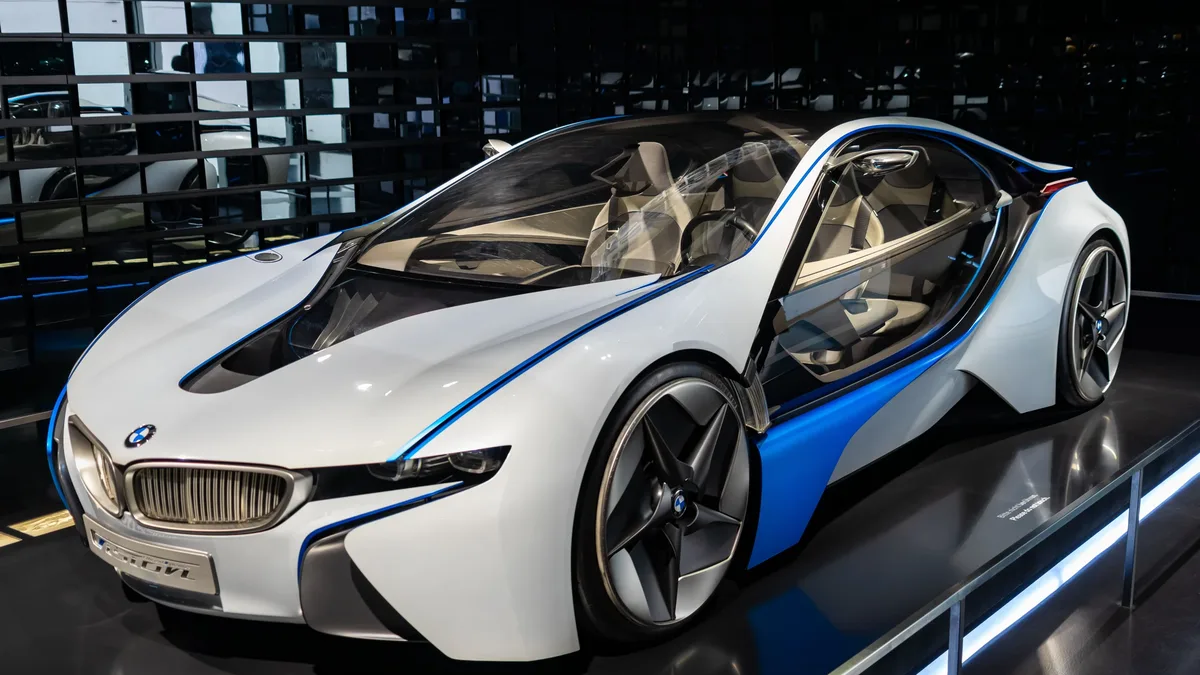
Denza Targets India's Luxury EV Market with D9 MPV and Z9 GT
BYD's luxury electric sub-brand Denza will debut in India on November 13, 2026, launching the D9 MPV and Z9 GT shooting brake as CBU imports...
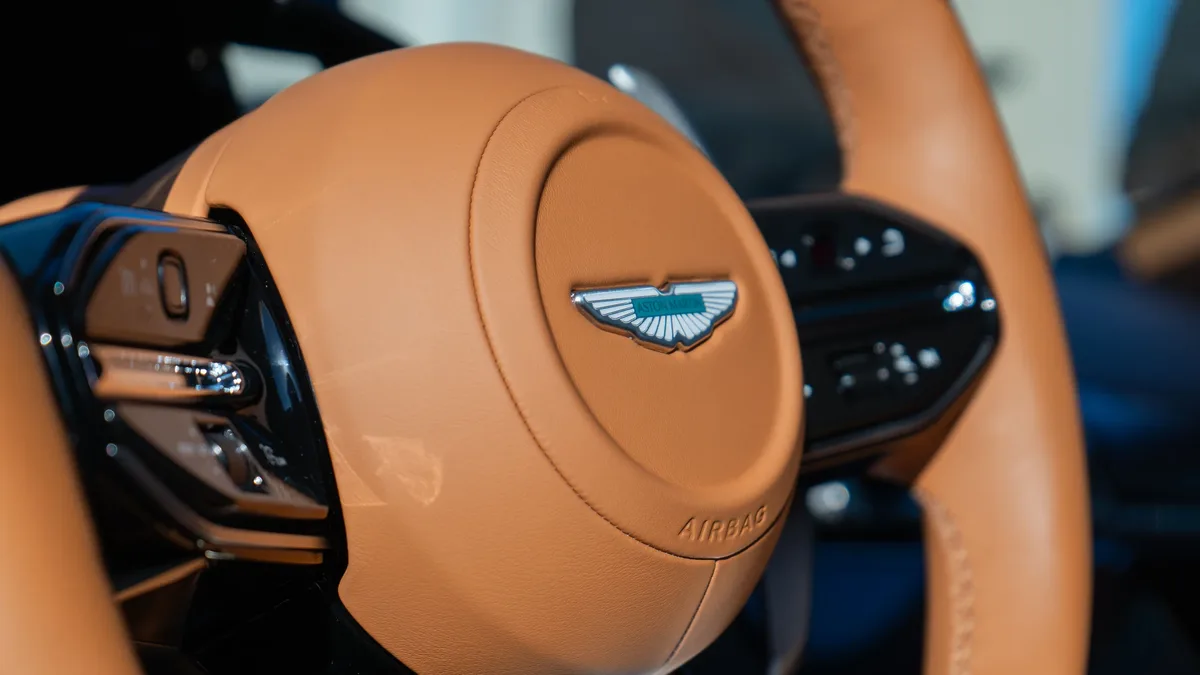
Aston Martin DBX GT: luxury variant details revealed
Aston Martin expands its DBX SUV range with the new DBX GT, a luxury-focused variant sharing the 727hp V8 powertrain of the DBX S but prioritizing...
2026 BMW i7 50 xDrive Review: Luxury EV Gains Local Assembly
The locally assembled 2026 BMW i7 50 xDrive, priced at Rs 1.95 crore, aims to dominate India's luxury EV market with a 728km claimed range.