7 Seat Mpv
| Seating capacity | 7 adults |
|---|---|
| Engine type | Internal combustion engine or hybrid |
| Drive type | Front-wheel drive or all-wheel drive |
| Fuel type | Petrol, diesel, or hybrid |
| Boot space | Large, with third-row seats folded |
| Length | Medium to large |
| Original use | Family and passenger transport |
Origin and history
The modern seven-seat Multi-Purpose Vehicle (MPV) as a distinct automotive category originated in Europe and North America in the 1980s. This period saw a shift from traditional station wagons and vans towards car-based vehicles designed specifically for passenger accommodation. The development was driven by the growing need for family transportation that could carry more than five occupants without resorting to a full-size van. Key early models from this era established the template of a monobox design with a tall roofline and sliding rear doors. Japanese manufacturers later became significant contributors to the segment, refining the concept throughout the 1990s and 2000s. The category has evolved from basic people-movers to include more sophisticated, feature-laden vehicles, though its core purpose remains unchanged.
What it is designed for
The primary design goal of a seven-seat MPV is to transport up to seven passengers in a single, car-like vehicle, prioritizing interior space and versatility over dynamic driving characteristics. It is engineered to accommodate families, groups, or those requiring frequent multi-passenger travel in a more comfortable and accessible package than a traditional SUV or van. The tall body shape is a direct result of maximizing headroom and facilitating entry and exit for all three rows of seating. A low floor and typically sliding rear doors are intended to ease the process of installing child seats and loading passengers. The interior is almost always configurable, with seats that can fold, tumble, or be removed entirely to switch between passenger and cargo duty. Ultimately, it is a tool for practical mobility, sacrificing stylistic flair for functional interior volume and ease of use.
Development and versions
Development has broadly progressed from utilitarian people-carriers to more refined and powerful vehicles, often sharing platforms with passenger cars and SUVs to reduce costs. Early versions were starkly functional, but subsequent generations incorporated more powerful engines, improved suspension for comfort, and higher-quality interior materials. A significant development was the widespread adoption of sliding rear doors, which provide superior access in tight parking spaces compared to conventional hinged doors. Versions now often include long-wheelbase models for enhanced third-row legroom, as well as shorter variants that prioritize maneuverability. Some manufacturers have introduced hybrid and plug-in hybrid powertrains to address fuel economy concerns inherent in a large, boxy vehicle. The segment has also seen a convergence with SUVs, with many modern MPVs adopting crossover styling cues and all-wheel-drive systems to broaden their appeal.
7 Seat Mpv specs
Typical specifications for a seven-seat MPV center around dimensions that provide a usable third row of seats, generally requiring an overall length exceeding 4.7 meters. Wheelbases are long to allow for the placement of three rows of seating, often measuring between 2.8 and 3.1 meters. Powertrain layouts are predominantly front-wheel drive to maximize interior space, with all-wheel drive available on some higher-specification versions. Fuel economy figures are generally moderate due to the vehicle's size, weight, and aerodynamic profile, with real-world consumption heavily dependent on load and driving style.
7 Seat Mpv problems
Common problems include a compromised driving experience, with handling characterized by noticeable body roll in corners due to the high center of gravity and soft suspension tuning. The third row of seats is frequently suitable only for children or for short journeys with adults, offering limited leg and headroom in many models. Access to the rearmost seats can be awkward, requiring the second row to be tilted and slid forward, which is a cumbersome process in some designs. The large frontal area and boxy shape create significant wind noise at highway speeds and adversely affect fuel efficiency. Build quality and material durability on some volume-market models can be questionable, especially for interior trim pieces subjected to heavy family use. Depreciation can be steep, as the used market often favors SUVs over similarly aged MPVs, impacting long-term ownership costs.
Overview
The seven-seat MPV is a rational, purpose-driven vehicle choice that makes few concessions to fashion or driving enjoyment. Its value is almost entirely derived from its interior packaging, which offers a level of passenger and cargo flexibility unmatched by equivalently sized three-row SUVs. The segment has faced intense pressure from the popularity of SUVs, leading many manufacturers to reduce or discontinue their MPV lines. Consequently, the remaining models often represent a more focused and cost-effective solution for those whose needs are purely functional. It remains the definitive tool for those who must regularly transport six or seven people in a single, privately-owned vehicle.
What to know
Prospective buyers should know that the advertised seven-seat capacity often comes with significant caveats regarding the comfort and accessibility of the rearmost seats. The sliding doors, while immensely practical, add complexity and can be prone to motor failures or track issues in older vehicles. Insurance groups can be higher than for a standard sedan due to the increased repair costs associated with the large body panels and complex seating systems. Servicing and maintenance costs are generally in line with large family cars, but wear items like tires may need replacing more frequently if the vehicle is consistently driven fully loaded. The resale market is niche, meaning selling a used MPV may take longer than selling a mainstream SUV, despite a potentially lower initial purchase price. It is essential to physically test the seating configurations with your typical passengers and cargo to assess real-world usability before committing to a purchase.
Common questions
A common question is how the MPV compares to a seven-seat SUV, with the key difference being the MPV's superior interior space, lower load floor, and often more flexible seating. Buyers frequently ask about safety, and most modern MPVs achieve high crash-test ratings, though the sheer size and weight can contribute to pedestrian safety concerns. Many inquire about fuel economy, and it is important to understand that official manufacturer figures are rarely attainable in daily use, especially when the vehicle is carrying a full complement of passengers and luggage. People wonder about the reliability of mechanical components, and while powertrains are often proven units from other models, the unique electrical systems for doors and seats can be failure points. Questions about towing capacity are frequent, and while some MPVs can tow modest loads, they are generally not designed as dedicated tow vehicles, with capacities often lower than comparable SUVs. Potential owners also ask about child seat compatibility, which is typically excellent in the second row but can be challenging in the third row due to limited access and anchor point availability.
Pros and cons
Pros: Unmatched interior space and configurability for passengers and cargo within its footprint. Sliding rear doors provide exceptional access in tight parking spaces and prevent door dings. Typically offers a more comfortable ride quality than an SUV due to a lower center of gravity and car-derived suspension. Cabin storage solutions are often abundant and cleverly designed for family use. Usually represents better value for money than an equivalently sized seven-seat SUV when purchased new. The low, flat load floor makes loading heavy or bulky items significantly easier. Cons: Driving dynamics are bland and uninspiring, with vague steering and pronounced body roll. The utilitarian, van-like styling is often cited as a major deterrent and contributes to faster depreciation. The third-row seats are frequently cramped and difficult to access, making them impractical for regular adult use. Wind and road noise at speed are more intrusive than in a sleek sedan or modern SUV. Fuel economy is generally poor due to the vehicle's weight and un-aerodynamic shape. A common mistake is buying one for occasional seven-seat use; the compromises are only justified if the capacity is needed frequently, otherwise a five-seat vehicle is more sensible.
Who it suits
This vehicle suits large families for whom a conventional five-seat car is insufficient and a minivan is too large or commercial-feeling. It is ideal for parents who require easy access for installing multiple child seats and need to carry strollers and associated gear without compromise. Families who regularly transport children's friends or extended family members will find the flexible seating indispensable. It is a practical choice for community group leaders, small-scale shuttle operators, or anyone whose hobby requires transporting several people with equipment. It does not suit driving enthusiasts, those who place a high priority on image or styling, or buyers who only need the extra seats on rare occasions. The owner who will be satisfied is one who prioritizes function over form and views their vehicle primarily as a tool for moving people and their belongings efficiently.
Latest 7 Seat Mpv news
Latest reporting
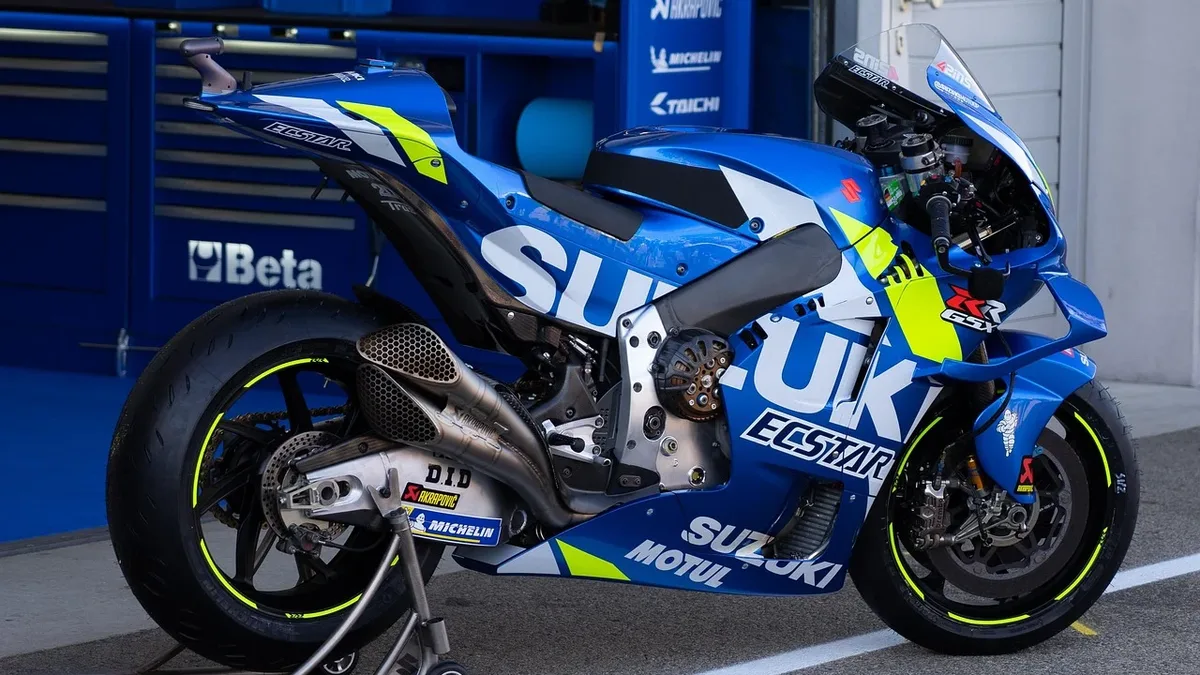
Suzuki Hayabusa Special Edition launch India
Suzuki Motorcycle India has launched the 2026 Hayabusa Special Edition at Rs 19.90 lakh ex-showroom Delhi. The model features exclusive Pearl Vigor...
2026 Mitsubishi Pajero SUV Returns
Mitsubishi has unveiled the fifth-generation Pajero, a flagship seven-seat SUV set for a global debut in Japan and first sales in Thailand in October...
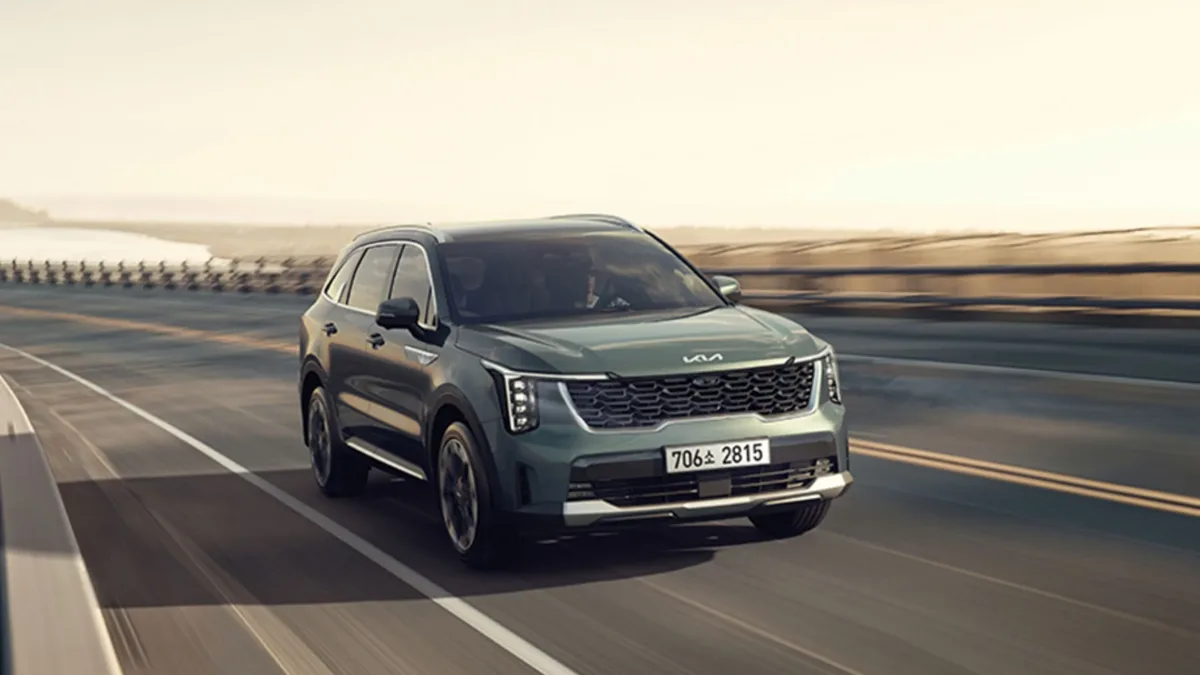
Kia Sorento Diesel Spied Ahead Of Launch
The Kia Sorento will launch in India on September 4. New images show the seven-seat SUV with a 2.2-litre diesel engine and an 8-speed DCT...
Mahindra XEV 9S 6-Seat Option Launched
Mahindra has introduced a 6-seat option for the XEV 9S, priced at Rs 25.25 lakh, offering improved comfort and accessibility
2027 Maserati Grecale Review: V6 Sense
The updated 2027 Maserati Grecale receives styling tweaks, interior refinements, and a new V6 engine option, making it a more compelling choice in...