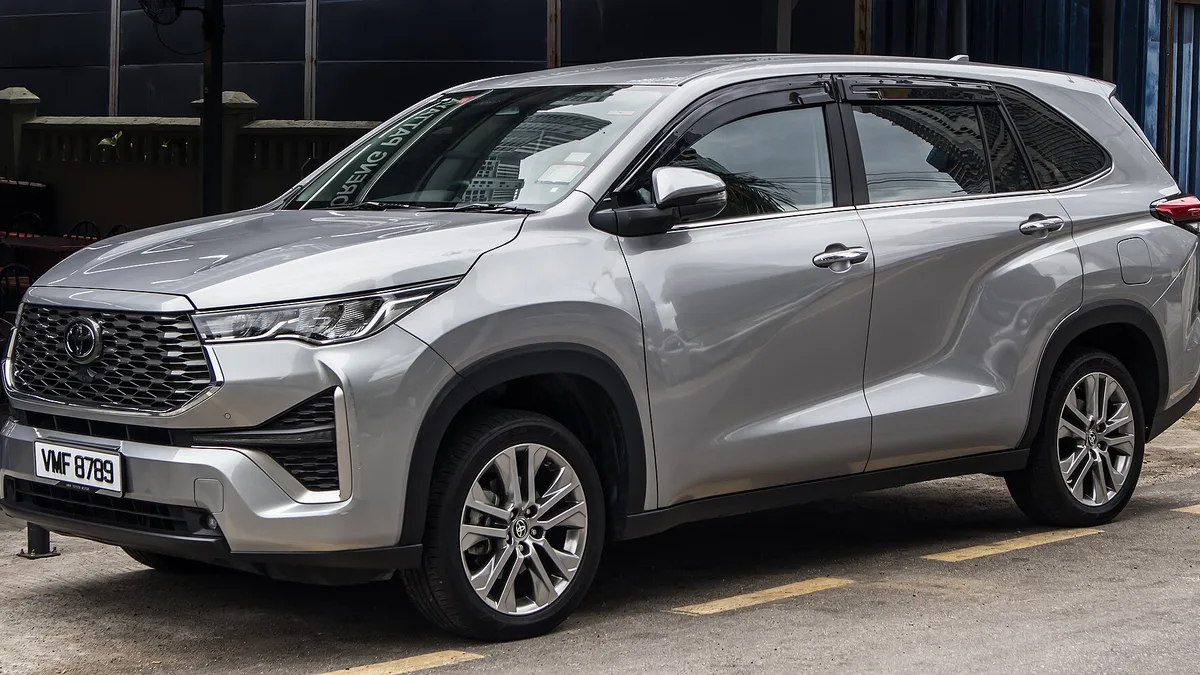
Toyota Innova Hycross
| Vehicle type | Hybrid MPV |
|---|---|
| Body style | 7- or 8-seater MPV |
| Engine type | Petrol-hybrid |
| Drivetrain | Front-wheel drive |
| Fuel type | Petrol |
| Transmission | e-CVT automatic |
| Country of origin | Indonesia |
| First created | 2022 |
Origin and history
The Toyota Innova Hycross originates from Japan as a product of the Toyota Motor Corporation. It was developed as a direct successor to the previous Innova Crysta model, which had been a dominant vehicle in the Asian multipurpose vehicle (MPV) segment for many years. The Hycross represents a significant generational shift, first launched and introduced to markets in the early 2020s. This model marks a decisive move away from the traditional diesel-engine, body-on-frame architecture that characterized its predecessors. Its development was closely aligned with Toyota's global strategy to electrify its lineup and offer more car-like driving experiences in utility-focused segments. The vehicle was initially launched in key Asian markets, with India being a primary manufacturing and sales hub, reflecting the region's continued importance for the Innova nameplate.
What it is designed for
The Toyota Innova Hycross is designed as a three-row family MPV that prioritizes passenger comfort, fuel efficiency, and urban drivability over rugged utility. Its core purpose is to transport up to seven or eight occupants in a quiet, refined, and spacious cabin on paved roads, making it suited for daily school runs, family trips, and highway travel. The design focuses on providing a sedan-like ride quality and lower cabin noise levels compared to traditional body-on-frame MPVs. It is engineered for markets where families require a single vehicle for multiple roles, combining the people-moving capacity of an MPV with the modern features and efficiency of a passenger car. A key design goal was to reduce running costs through its hybrid powertrain options, appealing to cost-conscious buyers facing high fuel prices. The vehicle also aims to offer a premium interior experience with advanced connectivity and convenience features to attract buyers who might otherwise consider SUVs.
Development and versions
The development of the Toyota Innova Hycross involved a fundamental platform change, moving to Toyota's TNGA-C monocoque architecture shared with models like the Corolla Cross. This shift allowed for a lower center of gravity, improved crash safety structures, and the integration of electrified powertrains. The most significant development was the introduction of a strong-hybrid system, a first for the Innova lineage, which pairs a gasoline engine with an electric motor for enhanced fuel economy. Versions are typically stratified by powertrain, with a conventional gasoline engine option available alongside the flagship hybrid variant. Trim levels are offered to cater to a wide range of buyers, from utilitarian fleet-oriented models to high-spec variants with leather upholstery, panoramic sunroofs, and advanced driver assistance systems. Development also focused on interior packaging to maximize cabin space and offer flexible seating configurations, including captain's chairs in the second row for higher trims. The Hycross is manufactured in specific plants, such as Toyota's facility in India, for local and export markets.
Pros and cons
A primary advantage of the Innova Hycross is its exceptional fuel efficiency in hybrid form, which can result in significantly lower running costs compared to traditional diesel MPVs, especially in city driving conditions. The ride comfort and noise isolation are markedly superior to its predecessor, providing a calm and composed highway cruising experience. The interior offers a modern design with quality materials and a host of convenience features, including large touchscreen infotainment systems and comprehensive ventilation for all rows. A notable drawback is its reduced ground clearance and monocoque construction, which makes it unsuitable for rough or unpaved roads that the older Innova could manage, limiting its versatility for some buyers. The steering can feel overly light and disconnected, offering little feedback to drivers who appreciate engagement. Some users report that the third-row space, while adequate for children, can be cramped for adults on longer journeys, and the full seating capacity compromises cargo room. A common mistake is buyers choosing it for mixed urban and severe rural use, only to find its soft suspension and lower underbody are vulnerable on poor roads.
Who it suits
The Toyota Innova Hycross best suits urban and suburban families who prioritize cabin refinement, low fuel costs, and daily comfort over any form of off-road capability. It is an ideal choice for households that primarily drive on well-maintained city streets and highways and need reliable, efficient transport for multiple passengers. Fleet operators for corporate or hotel shuttle services in metropolitan areas may also find the hybrid variant advantageous for its lower total cost of ownership and premium image. The vehicle appeals to buyers transitioning from sedans or hatchbacks who need more space but do not want the often firmer ride of a SUV. It is less suitable for individuals in regions with consistently poor road infrastructure, those who require heavy towing capacity, or buyers who prefer a more engaging driving dynamic. The Hycross represents a logical upgrade for previous Innova owners whose usage patterns have become exclusively paved-road oriented and who seek modern technology and efficiency.
Latest Toyota Innova Hycross news
Latest reporting
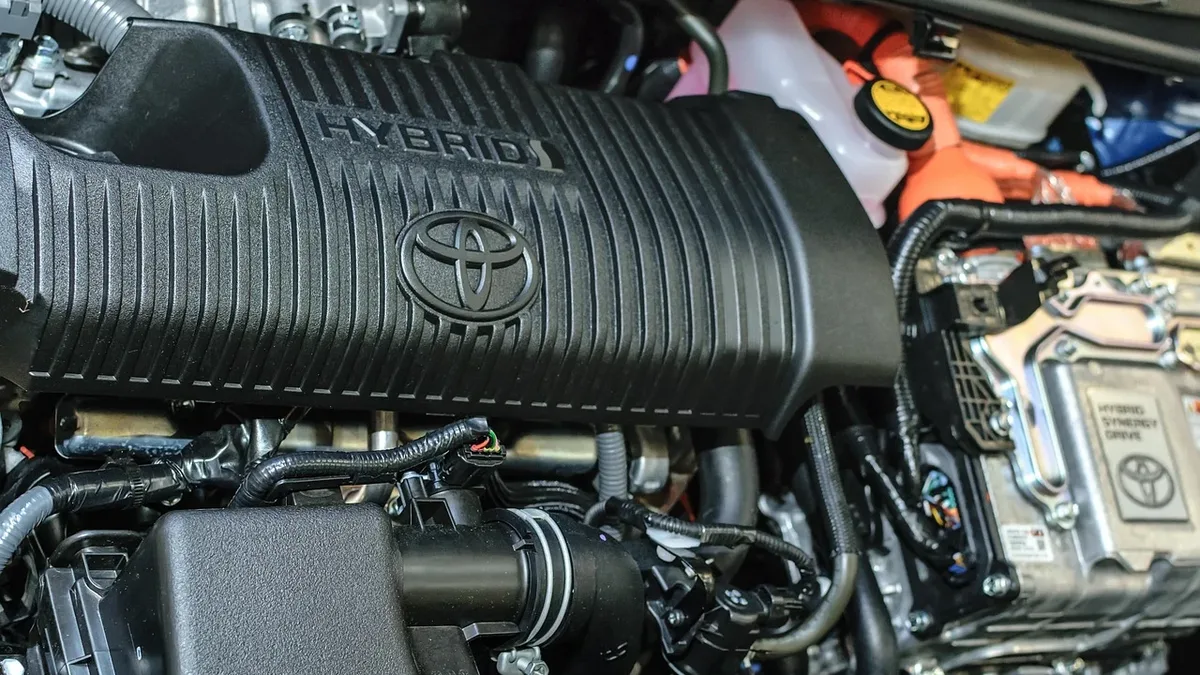
Toyota Innova Hycross Facelift Launches November 25, 2026
Toyota confirms its updated Innova Hycross MPV will launch on November 25, 2026, featuring a potential flex-fuel hybrid powertrain, exterior styling...
Luxury EV and Performance Car Wave Hits India in November
November 2026 brings a surge of premium electric and high-performance car launches in India, led by the Mercedes-Benz GLC Electric and BYD's Denza...
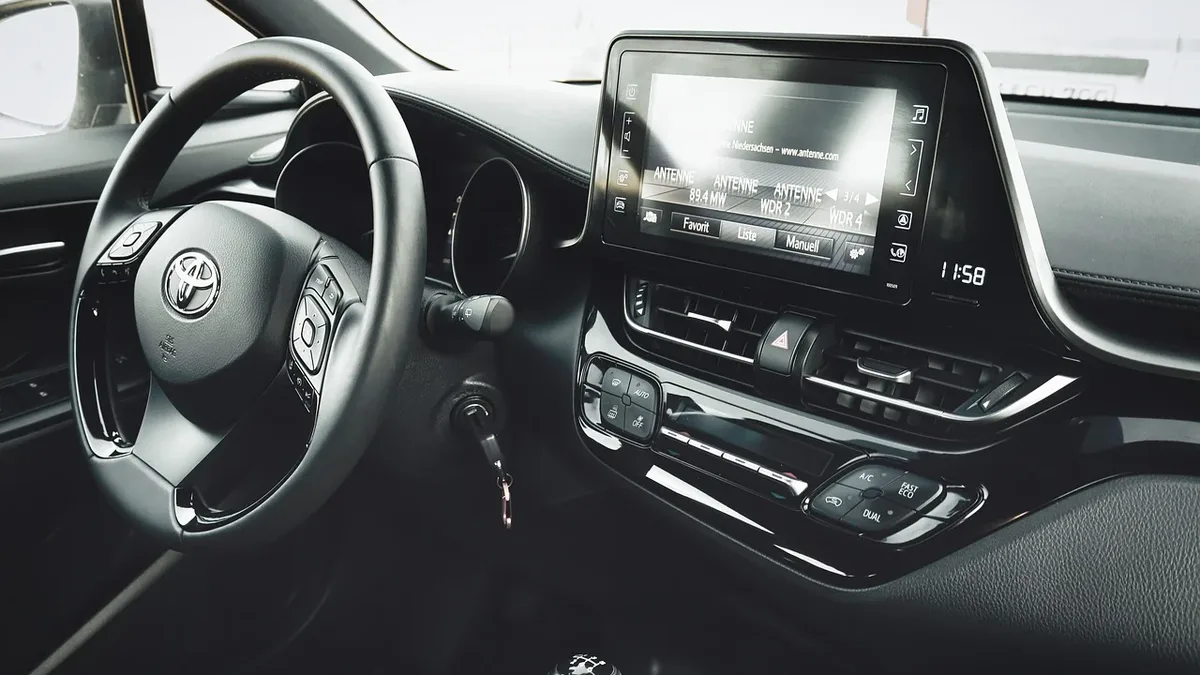
Toyota Innova Zenix hybrid gains larger screens in Indonesia
Toyota has updated the Kijang Innova Zenix in Indonesia, fitting hybrid variants with a new 12.3-inch digital instrument cluster and larger...
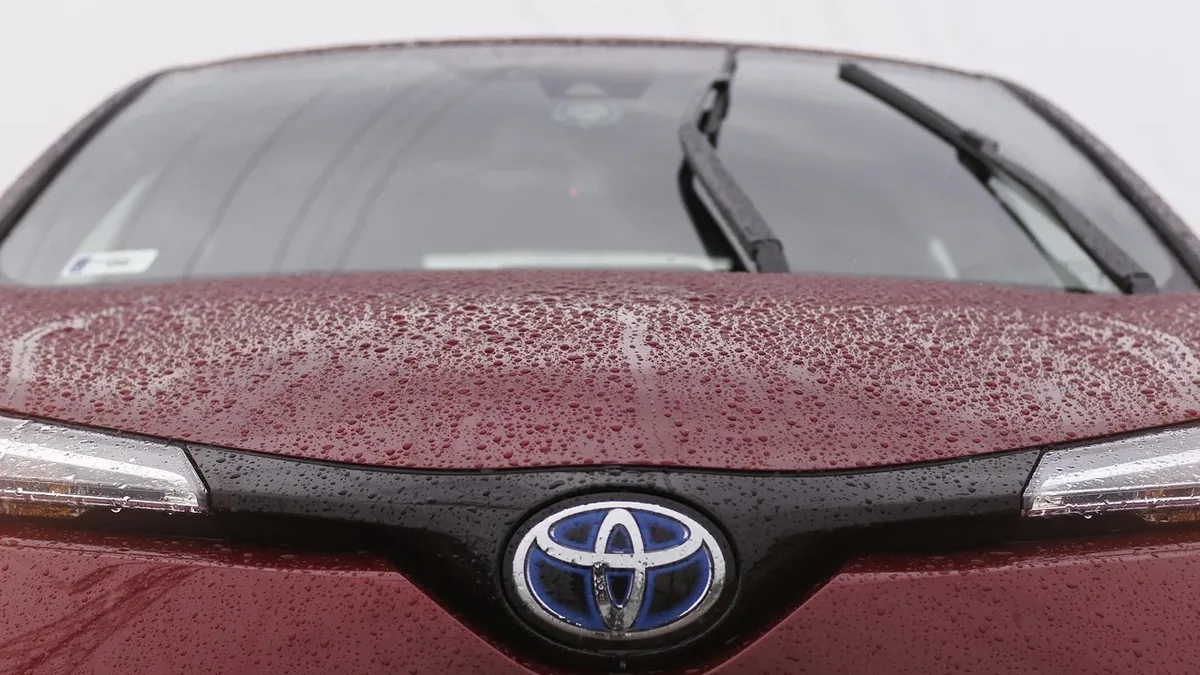
Toyota Innova Hycross Facelift Launches in India with Flex-Fuel Hybrid
Toyota will launch the facelifted Innova Hycross in India on November 26, 2026, introducing a new flex-fuel strong hybrid variant capable of running...
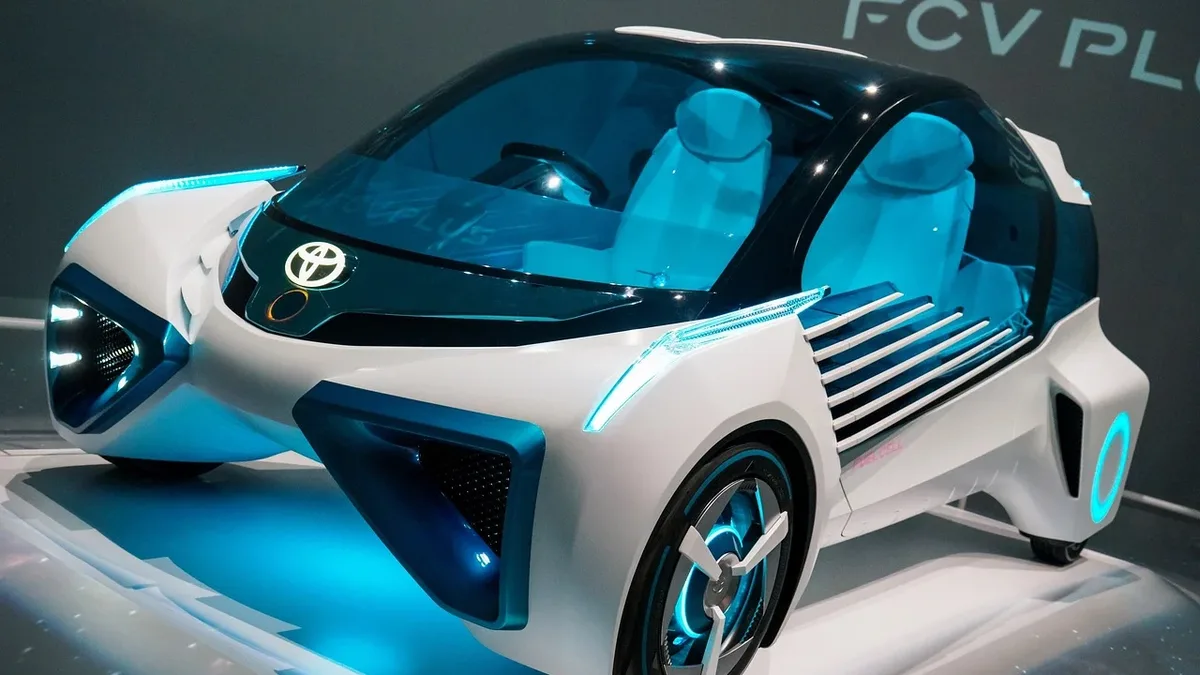
Toyota launches facelifted Glanza with new V(O) variant and ADAS
Toyota has launched the facelifted Glanza hatchback in India, introducing a new top-tier V(O) variant featuring Level 2 ADAS.
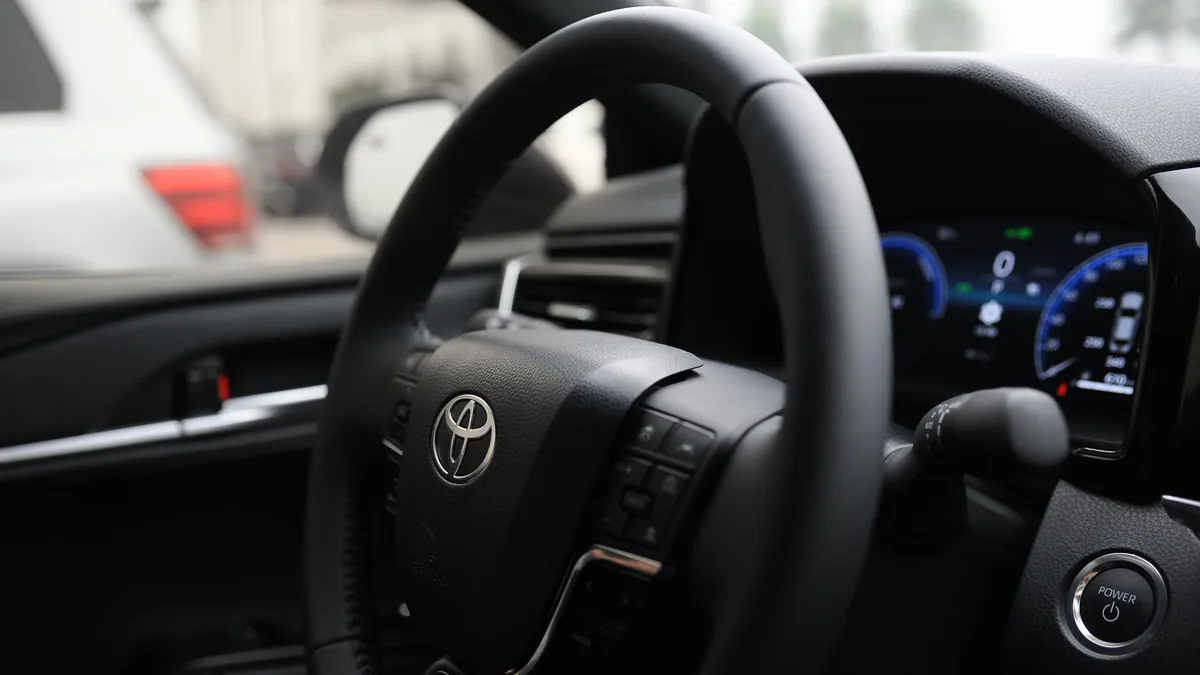
Toyota launches 2026 Fortuner Leader Edition
Toyota Kirloskar Motor has launched the 2026 Fortuner Leader Edition, a special edition focused on blacked-out styling and new ambient lighting.