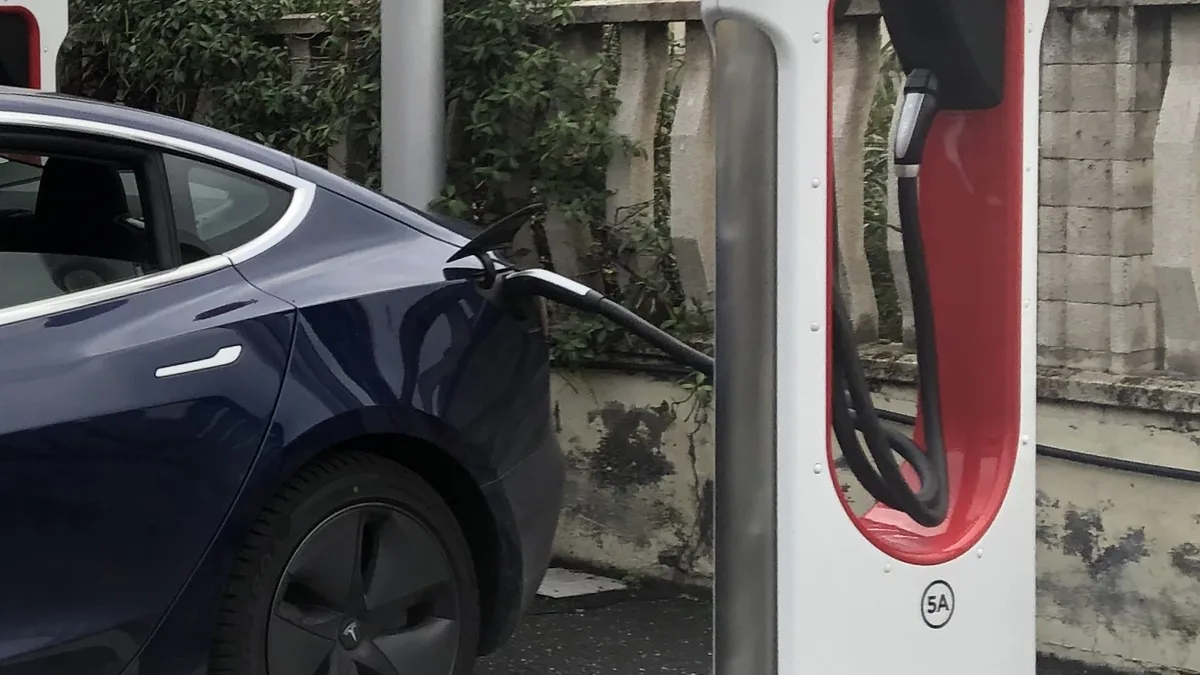
Home Charging, Wiring And The Cost Per Unit
| Charger type | AC (Alternating Current) |
|---|---|
| Power rating | 3.7 kW to 22 kW |
| Supply requirement | Single-phase or three-phase |
| Installation type | Permanent (wall-mounted) |
| Cable length | Typically 4 to 8 meters |
| Connector standard | Type 1 or Type 2 |
| Control method | Smart or basic |
Origin and history
The practice of home charging for electric vehicles originated alongside the modern commercial electric car in the late 20th and early 21st centuries, primarily in North America, Europe, and East Asia. The concept evolved from simple trickle charging using a standard domestic outlet to dedicated higher-power equipment installed at a residence. The infrastructure and standards for home charging wiring were developed in the early 2000s, with significant codification occurring in the 2010s as EV adoption increased. The cost per unit for electricity, central to the economic calculation of home charging, is a fundamental utility metric with a history far predating electric vehicles. However, its direct application to EV running costs became a mainstream consumer consideration in the 2010s. This triad of charging, wiring, and cost forms a critical pillar of the total ownership experience, distinct from public charging networks. Its history is intertwined with the development of national electrical grids and evolving residential electrical codes.
What it is designed for
Home charging, its associated wiring, and the analysis of cost per unit are designed to facilitate the convenient and economical refueling of a battery electric vehicle or plug-in hybrid at a private residence. The system is engineered to safely deliver electrical energy from the domestic supply to the vehicle's battery pack, often overnight. Dedicated wiring circuits are designed to handle the continuous load required by EV charging, which exceeds that of typical household appliances, over many hours. The cost per unit, or kilowatt-hour, is the primary metric for calculating the expense of this energy transfer, allowing for direct comparison with the cost of petrol or diesel. This ecosystem is fundamentally designed for owner convenience, eliminating the need for frequent visits to dedicated fueling stations. Its design prioritizes safety, reliability, and integration with the existing electrical infrastructure of a home, while also enabling cost management for the user.
Development and versions
The development of home EV charging has progressed through distinct levels, defined by power delivery and corresponding wiring requirements. Level 1 charging represents the basic version, utilizing a standard 120-volt AC household outlet in North America or 230-volt in Europe, requiring no special wiring but offering slow charging speeds. Level 2 charging is the most common installed version, requiring a dedicated 240-volt AC circuit in North America, similar to an electric oven or dryer, with wiring typically rated for 20 to 80 amps. The physical connectors have also seen development, with the SAE J1772 becoming the standard AC connector in North America and Type 2 Mennekes in Europe. Development continues with bi-directional charging capabilities, allowing vehicle-to-home power flow, which demands even more sophisticated wiring and electrical panels. Furthermore, smart charging versions have evolved, integrating with home energy management systems to optimize charging times based on cost per unit electricity rates or grid demand.
Pros and cons
A primary advantage of home charging is profound convenience, allowing the vehicle to be replenished daily without any detour, typically during off-peak hours when electricity rates are lowest. The cost per unit of electricity is almost invariably lower than the per-unit cost of petrol or diesel, leading to significant fuel cost savings over time, especially with a dedicated overnight tariff. The installation of proper, dedicated wiring ensures safety, maximizes charging speed, and can increase property value. A significant con is the upfront cost for installing a Level 2 charging station and its requisite wiring, which can be substantial if an electrical panel upgrade is also needed. Homeowners may regret the choice if they underestimate this installation complexity and cost, particularly in older homes with insufficient electrical service capacity. A common mistake is relying solely on slow Level 1 charging for a high-capacity battery vehicle, which can fail to meet daily driving needs and lead to owner frustration, negating the convenience benefit.
Who it suits
This setup ideally suits homeowners with dedicated off-street parking, such as a driveway or garage, where they can install a permanent charging point. It is particularly advantageous for individuals with a regular daily commute within the effective range of their vehicle, who can recharge fully each night. Home charging suits cost-conscious drivers who have access to a lower off-peak electricity tariff and wish to maximize fuel savings compared to internal combustion engine vehicles. It is less suitable for those living in apartments, condominiums, or urban areas with only on-street parking, where installing dedicated wiring is impractical or prohibited. This system also suits early adopters and those willing to manage their energy consumption, as it integrates the vehicle into the household's utility budgeting. Ultimately, it is a cornerstone for anyone for whom the true cost of living with an electric vehicle includes the trade-off between higher upfront installation costs and long-term operational convenience and savings.
Latest Home Charging, Wiring And The Cost Per Unit news
Latest reporting
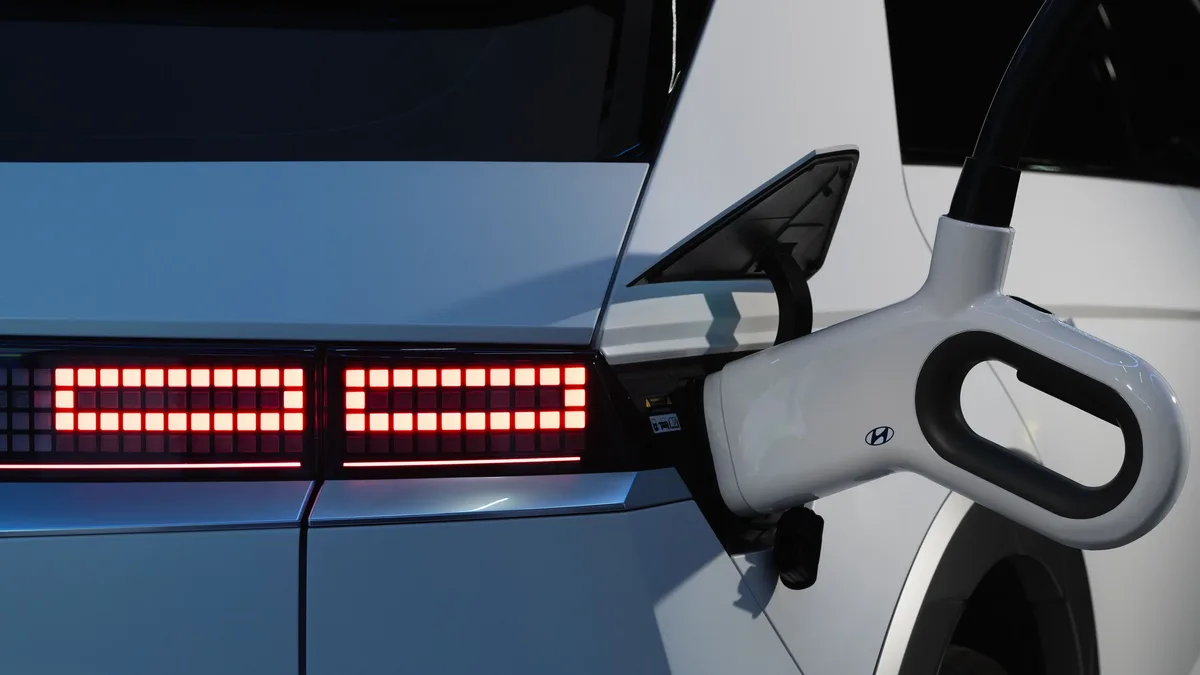
Hyundai HE1i Electric SUV Spied With Variant Headlamps
Hyundai's upcoming sub-4-metre electric SUV, codenamed HE1i, has been spied testing at a charging station and on roads, revealing two distinct...
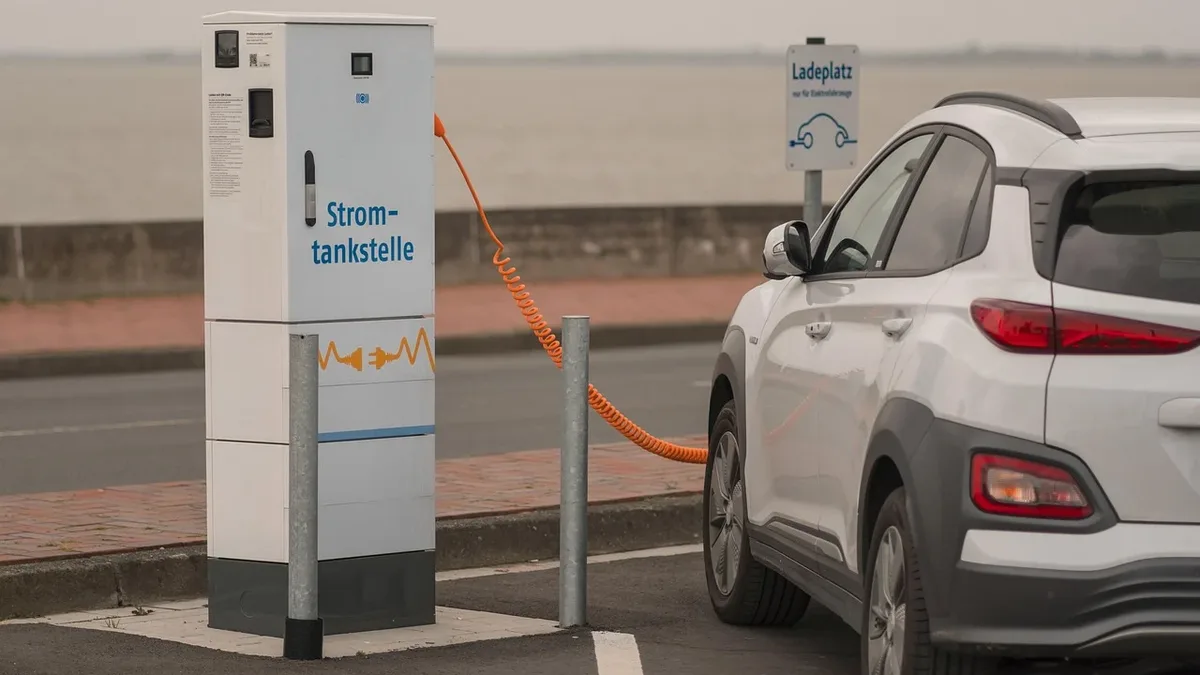
Hyundai Adds 120 kW Fast Chargers In Delhi With Free
Hyundai has inaugurated new 120 kW DC fast charging stations in Delhi in partnership with Statiq. The company is also offering complimentary charging...
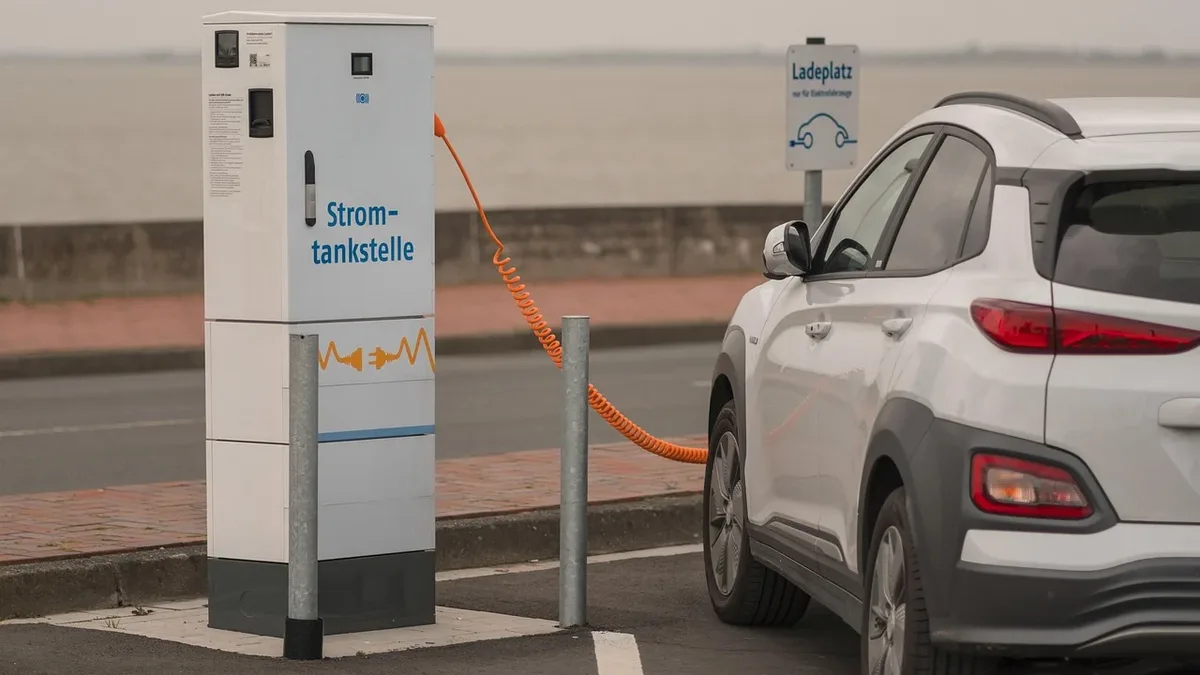
Hyundai Offers Free EV Charging For Three Days In India
Hyundai Motor India is providing complimentary charging at its public stations from September 9-11, 2026, to mark World EV Day.
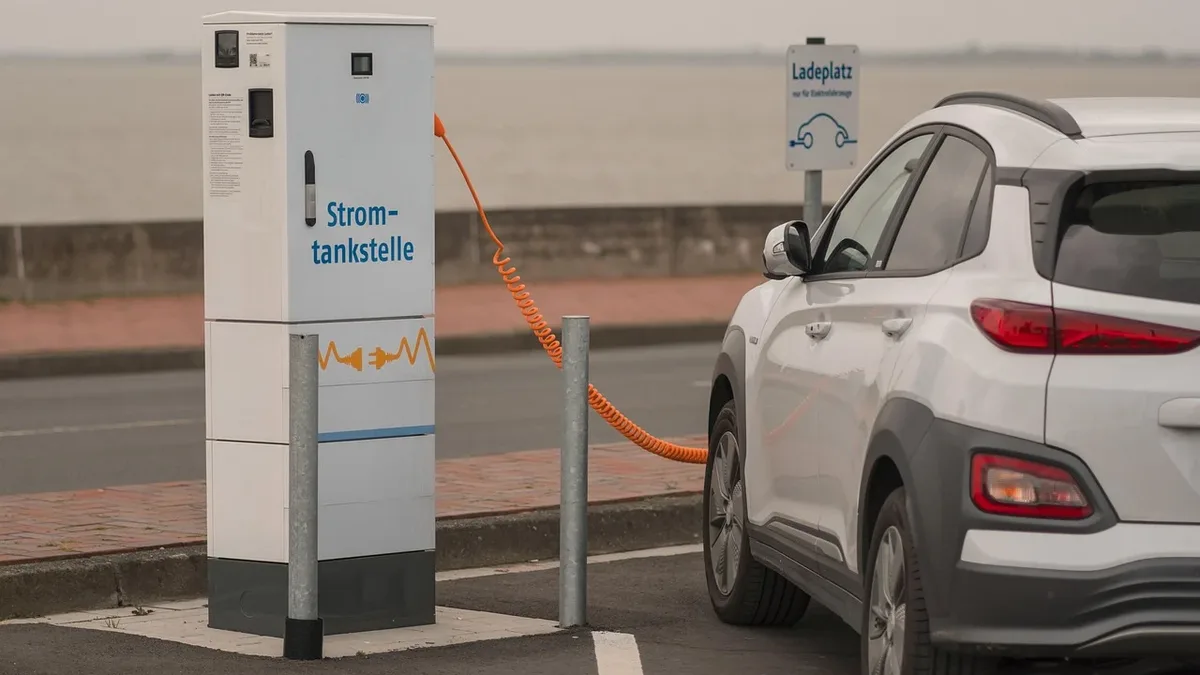
Hyundai Creta Electric long-term review
A long-term test of the Hyundai Creta Electric finds it to be a highly competent and practical electric SUV, with strong range, improved charging, and
Honda Targets $9.4 Billion Cost Cut by 2030
Honda aims to cut 1.5 trillion yen in costs by 2030, seeking 30% reductions in key component areas and increasing Chinese sourcing.

Ather Konarc S Review: Premium Price
Ather Energy's new Konarc electric scooter, built on a cost-effective platform, starts at Rs 99,999 but locks key features behind a paid subscription.