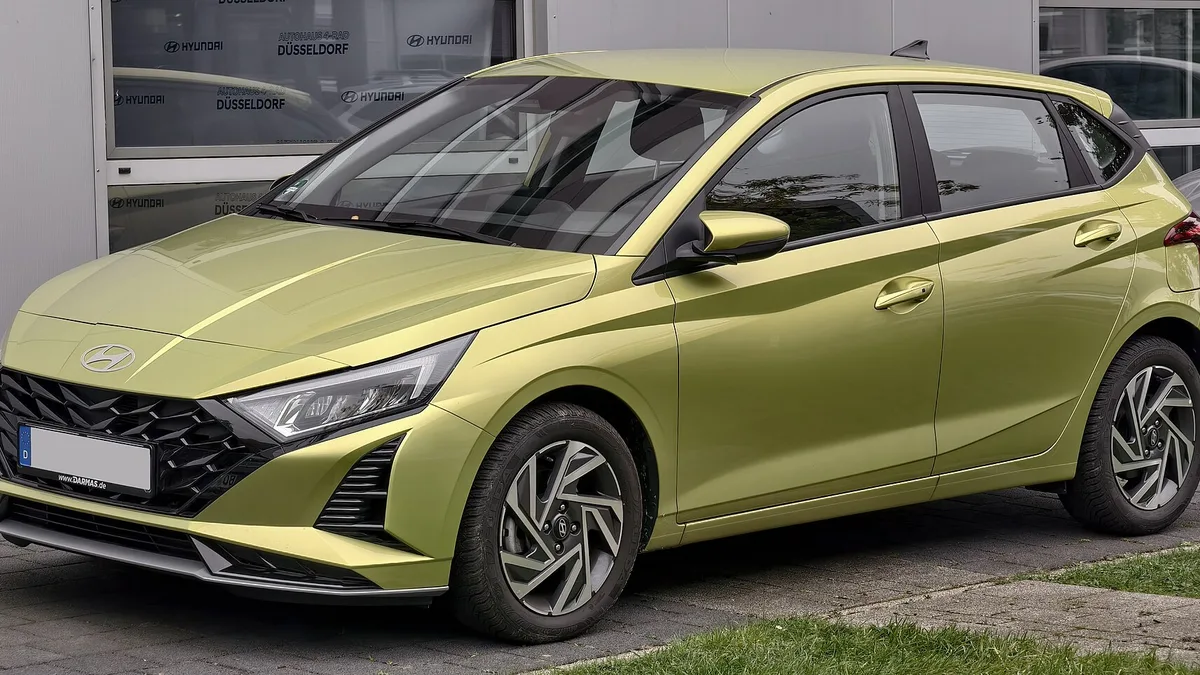
Hyundai I20
| Model years | 2008–present |
|---|---|
| Body style | 5-door hatchback |
| Engine layout | Front-engine, front-wheel-drive |
| Road test verdict | Generally praised for practicality, low running costs, and urban agility; often noted for a comfortable ride but less engaging driving dynamics. |
| True cost of living | Low to moderate; known for good fuel economy and affordable maintenance, with insurance groups typically low. |
| Common engines | 1.0L to 1.4L petrol, 1.1L to 1.4L diesel |
| Transmissions | 5-speed manual, 6-speed manual, 4-speed automatic, 7-speed dual-clutch automatic |
| Euro NCAP safety rating | 5 stars (for third-generation model tested 2020) |
Origin and history
The Hyundai i20 originates from South Korea, developed by the Hyundai Motor Company. It was first launched in the late 2000s as a global supermini model. This vehicle was created to succeed the Hyundai Getz in many international markets. Its development was part of Hyundai's strategic expansion into the competitive European B-segment. The first-generation model was unveiled at the Paris Motor Show in the late 2000s. Production for European markets was primarily based at a manufacturing plant in Turkey.
What it is designed for
The Hyundai i20 is designed as a practical and economical supermini for urban and suburban use. Its primary function is to provide reliable daily transportation for individuals and small families. The vehicle emphasizes fuel efficiency and maneuverability in congested city environments. It is engineered to offer a higher level of standard equipment and interior space than many rivals in its class. The design prioritizes a comfortable ride quality over sporting dynamics. Later generations have also focused on incorporating more advanced safety and connectivity features as standard.
Development and versions
The i20 has progressed through multiple generational updates since its initial launch. The first generation, produced until the early 2010s, was offered in three- and five-door hatchback body styles. A second generation was introduced in the early 2010s, featuring more refined styling and improved interior materials. This generation also saw the introduction of a performance-oriented i20 N Line variant. The third and current generation debuted in the early 2020s, built on an all-new platform with a more assertive design. Across generations, powertrain options have typically included small-displacement petrol and diesel engines, with some markets offering automatic transmissions.
Pros and cons
A significant pro is the i20's strong standard equipment list, often including features like a touchscreen infotainment system and multiple safety aids that are cost-options on competitors. The cabin is generally well-packaged, offering competitive rear passenger and boot space for the segment. A common con is that the base model's engines can feel underpowered, especially when fully loaded or on motorway inclines, leading some buyers to regret not choosing a more powerful option. The ride, while comfortable at low speeds, can become unsettled over broken road surfaces, a typical compromise in this class. Some owners report that interior materials on lower trims feel hard and scratch-prone, lacking the perceived quality of some European rivals. A frequent mistake is opting for the largest alloy wheel options, which can exacerbate ride harshness and increase tyre replacement costs.
Who it suits
The Hyundai i20 suits first-time car buyers and young drivers seeking an affordable, well-equipped, and reliable runabout. It is also appropriate for urban dwellers who prioritize easy parking, good visibility, and low running costs. The car fits small families who need a practical five-door hatchback for short trips and school runs, where its warranty coverage provides long-term peace of mind. It is less suited to driving enthusiasts or those who regularly undertake long motorway journeys, where its cabin noise and modest power outputs become more apparent. The i20 appeals to buyers who value a lengthy manufacturer warranty and low servicing costs over brand prestige or dynamic driving engagement.
Latest Hyundai I20 news
Latest reporting
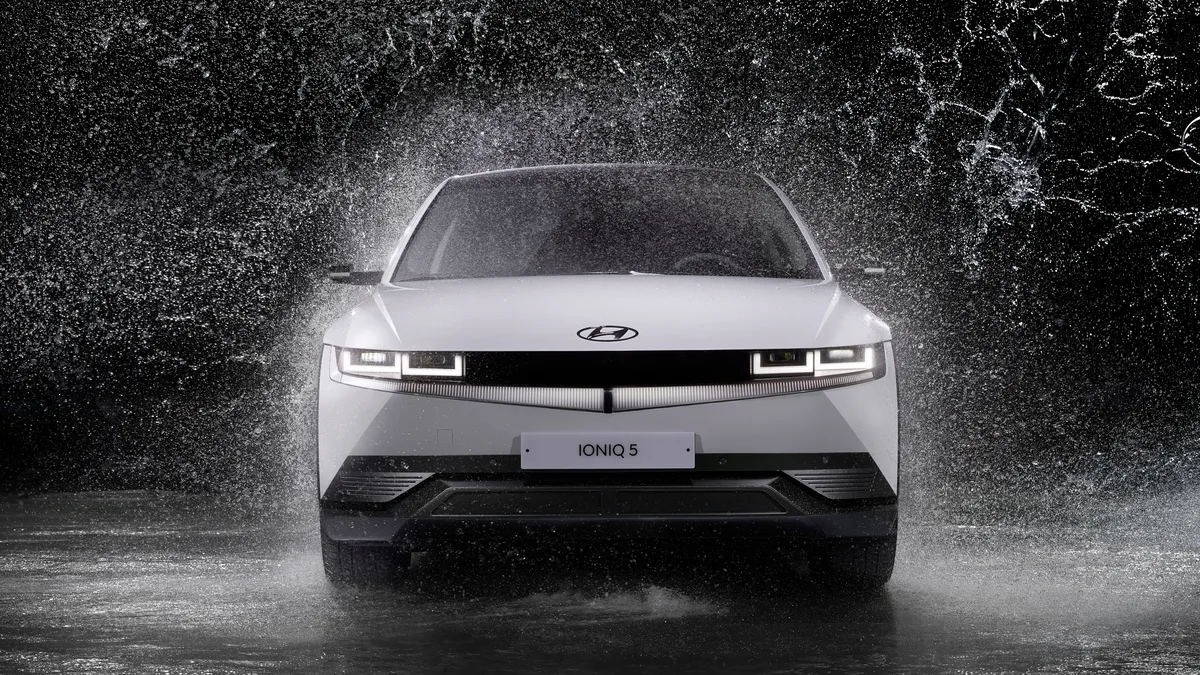
Hyundai Ioniq P compact EV SUV launches January 2027
Hyundai's Ioniq P compact electric SUV is set for a January 2027 debut with two battery options, built on the E-GMP platform in Tamil Nadu to target...

Third-Gen Hyundai Creta Spied With Bold Redesign and Hybrid Potential
Hyundai is testing the third-generation Creta on public roads with a redesigned exterior, updated interior, and new K3 platform ahead of its 2027...
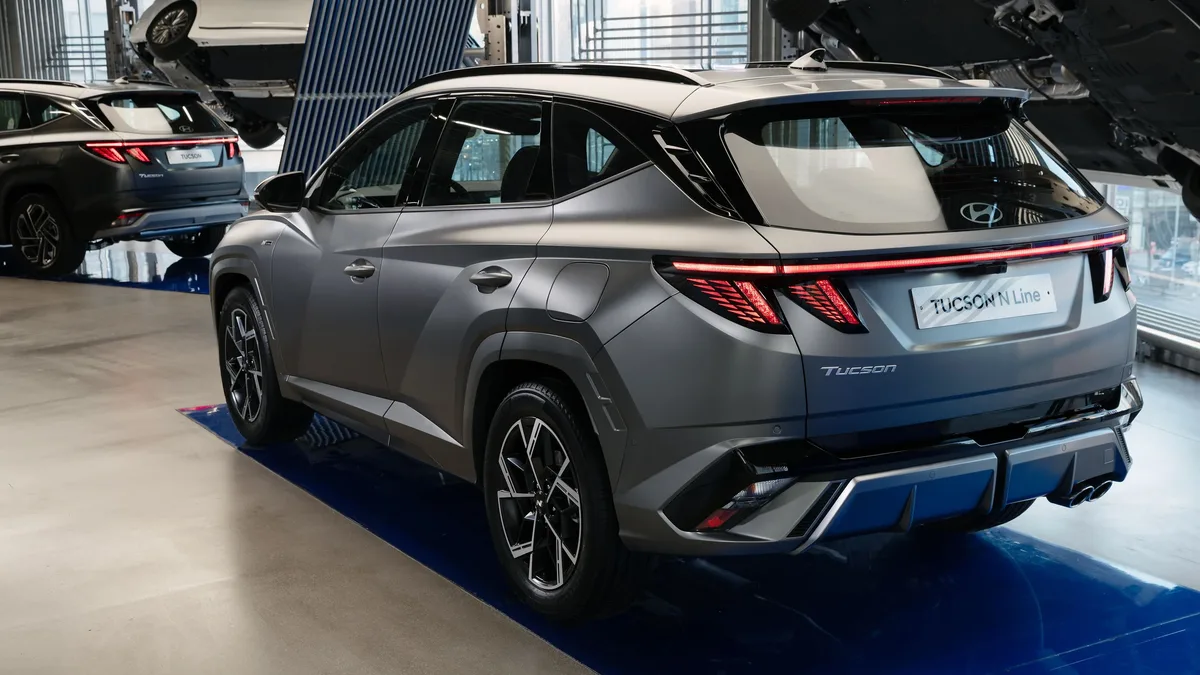
Hyundai Bayon SUV Launches With Tech And Value Edge
Hyundai's new Bayon compact SUV starts at Rs 9.99 lakh, undercutting rivals while offering a 1.5-litre petrol engine, advanced ADAS, a generative AI...
Hyundai India's October 2026 Sales Hit Record High
Hyundai Motor India achieved its highest-ever monthly sales of 82,299 units in October 2026, driven by strong domestic demand for the Venue SUV and...
Hyundai Ioniq P details emerge for 2027 India launch
Hyundai's upcoming small electric SUV, likely named Ioniq P, will launch in India in early 2027 with two battery options and Level 2 ADAS...
Hyundai Bayon Launched in India at Rs 10 Lakh
Hyundai has launched the Bayon compact SUV in India, priced from Rs 10 lakh ex-showroom. The feature-rich model sits below the Creta, with deliveries...