Audi A2 e-tron debuts with up to 646 km WLTP
Audi unveils the A2 e-tron, its most efficient model yet, featuring up to 646 km WLTP range, a maximum 84 kWh battery, and 326 PS output, with deliveries
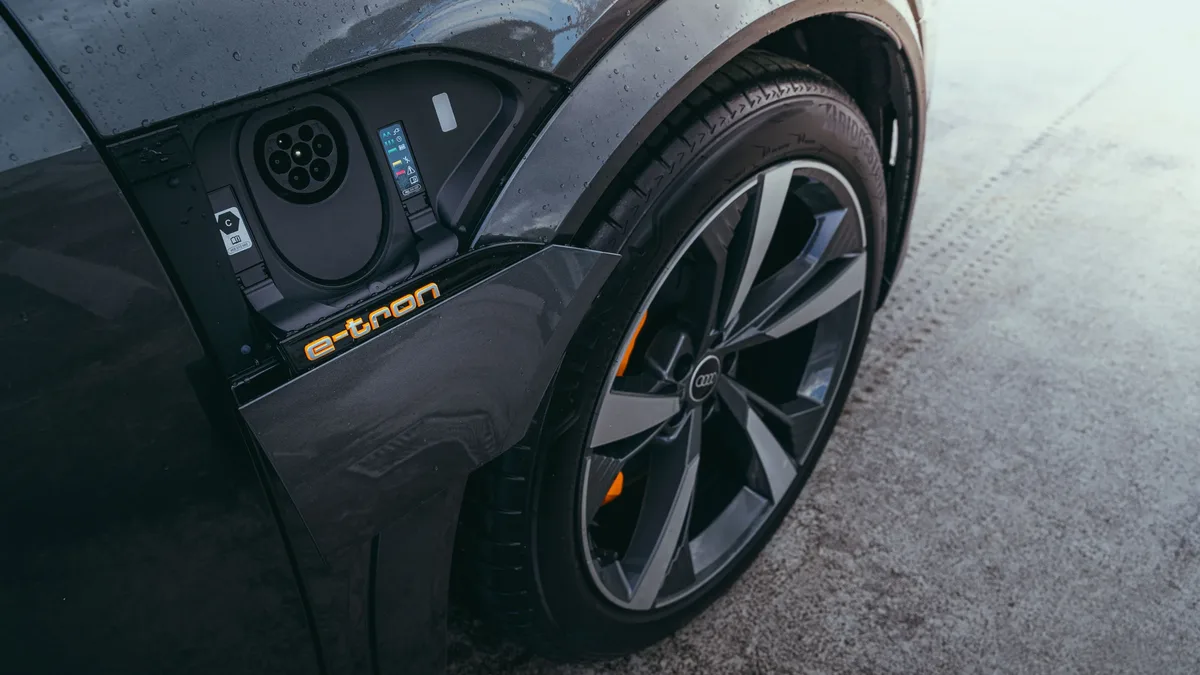
Audi has officially unveiled the A2 e-tron, reviving the nameplate of its 1999 predecessor after a teaser and prototype reveal earlier this year.
The A2 e-tron is positioned as the brand’s most efficient model, achieving a WLTP energy consumption of 12.8 kWh per 100 km in its 140 kW (190 PS) configuration.
Three battery options are available: 52 kWh, 61 kWh, and 84 kWh, powering four variants with motors ranging from 125 kW (170 PS) to 240 kW (326 PS).
All variants use a single-motor, rear-wheel-drive layout, with the 84 kWh battery enabling a maximum WLTP range of 646 km when paired with the 170 kW (231 PS) motor.
The top-tier 240 kW (326 PS) variant accelerates from 0-100 km/h in 5.7 seconds and reaches a top speed of 200 km/h, while other versions top out at 160 km/h with 0-100 km/h times between seven and 8.8 seconds.
Efficiency is enhanced by a drag coefficient of 0.24, silicon carbide semiconductors, polished gear teeth, low-viscosity oils, and aerodynamic features including a controllable cooling intake and enclosed underbody.
Wheels range from 18 to 20 inches with tyres from 225 mm to 235 mm, all available in winter and summer specifications with a low rolling resistance tyre option.
The A2 e-tron offers comfort and sport suspension, with damper control standard on the top variant and optional on the 170 kW model.
Four driving modes-Comfort, Balanced, Efficiency, and Dynamic-are available, alongside three regenerative braking levels and a one-pedal driving mode.
Adaptive cruise assist plus provides lane guidance up to 210 km/h and can automatically stop and restart at traffic lights using swarm data for speed adjustment.
V2L and vehicle-to-home capabilities allow the car to power external devices or a home photovoltaic system via a DC wall box.
Interior features include a 11.9-inch virtual cockpit, a 12.8-inch curved touch display, an optional augmented reality head-up display, and white ambient lighting with a 30-colour optional package.
A 1.6 square metre panoramic glass roof increases cabin light, while Softwrap upholstery covers the dashboard and doors, and Fidlock fasteners secure cupholders and bags using magnets and mechanical clasps.
Luggage capacity stands at 396 litres, expanding to 1,336 litres with rear seats folded, and includes a 13-litre frunk on 170 kW and 240 kW variants.
Deliveries in Europe are expected to begin in December, with German pricing starting at 38,200 euros for the 125 kW/52 kWh model and reaching 51,200 euros for the 240 kW/84 kWh top variant.