Hyundai Creta Electric long-term review
A long-term test of the Hyundai Creta Electric finds it to be a highly competent and practical electric SUV, with strong range, improved charging, and
The Hyundai Creta Electric has been used in a long-term test, revealing a capable electric family SUV that struggles with market perception rather than product flaws. The electric version of India's second-best-selling car of 2025 delivers an impressive 432 km of range in real-world testing.
Living with the electric SUV
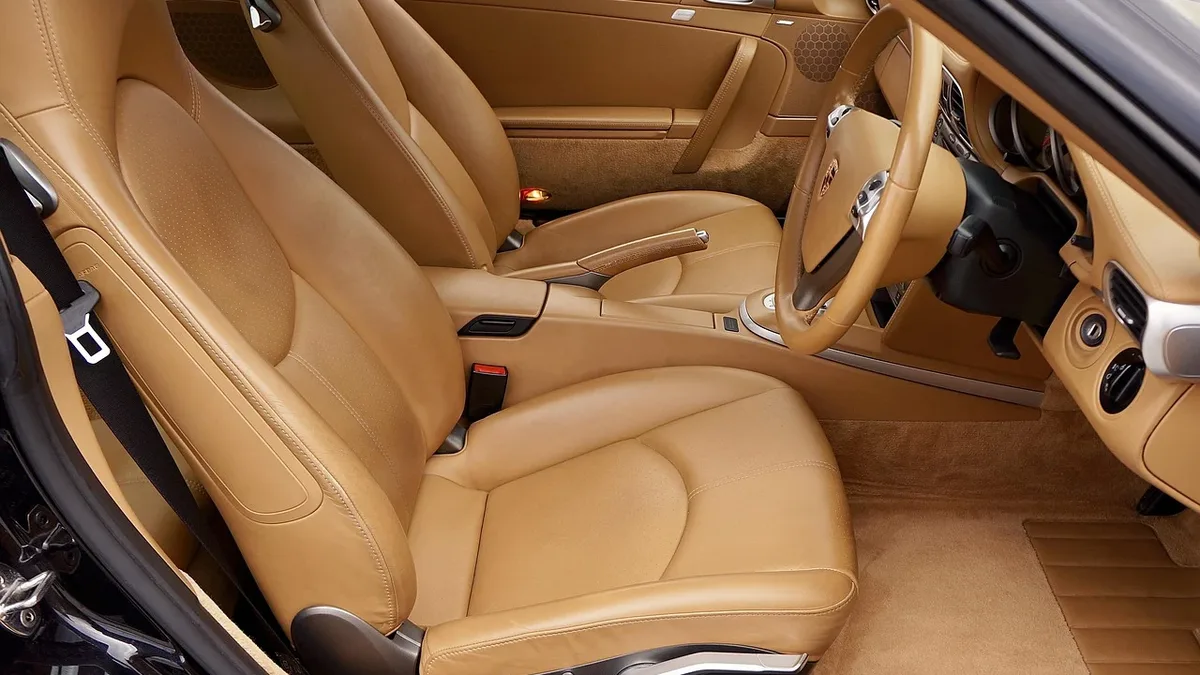
The Creta Electric is very well equipped, featuring a Bose sound system, climate control, ventilated front seats, a panoramic sunroof, and rear sun blinds with fold-out tables. Its mid-sized SUV dimensions prove practical for Indian cities, offering a spacious and comfortable interior. A key comfort highlight is the rear seating position, which avoids the knees-up posture common in many EVs. A passenger who is 5 foot 11 inches noted ample knee and foot room.
The ride quality was praised for being comfortable and stable, with damping tuned to eliminate secondary body movements. "Not bouncy" was how one occupant described it, noting it was less bothersome for those prone to motion sickness. The handling is described as benign, suited to a family car, though some testers found the steering too light and devoid of feel.
Performance and efficiency
The electric motor produces 171hp and 255Nm, achieving a 0-100 kph time of 8.2 seconds. In drag races, it reportedly out-accelerated its sportier Hyundai N-Line sibling and a BMW iX1. The long-range model tested comes with a 51.4kWh battery.
| Metric | Figure |
|---|---|
| ARAI-claimed range | 473 km |
| Test cycle range (Eco mode) | 432 km |
| Efficiency (test cycle) | 9.45 km/kWh |
| Real-world efficiency (Normal mode) | 8+ km/kWh |
The report notes that rivals with larger batteries offer longer range.
Charging and software updates
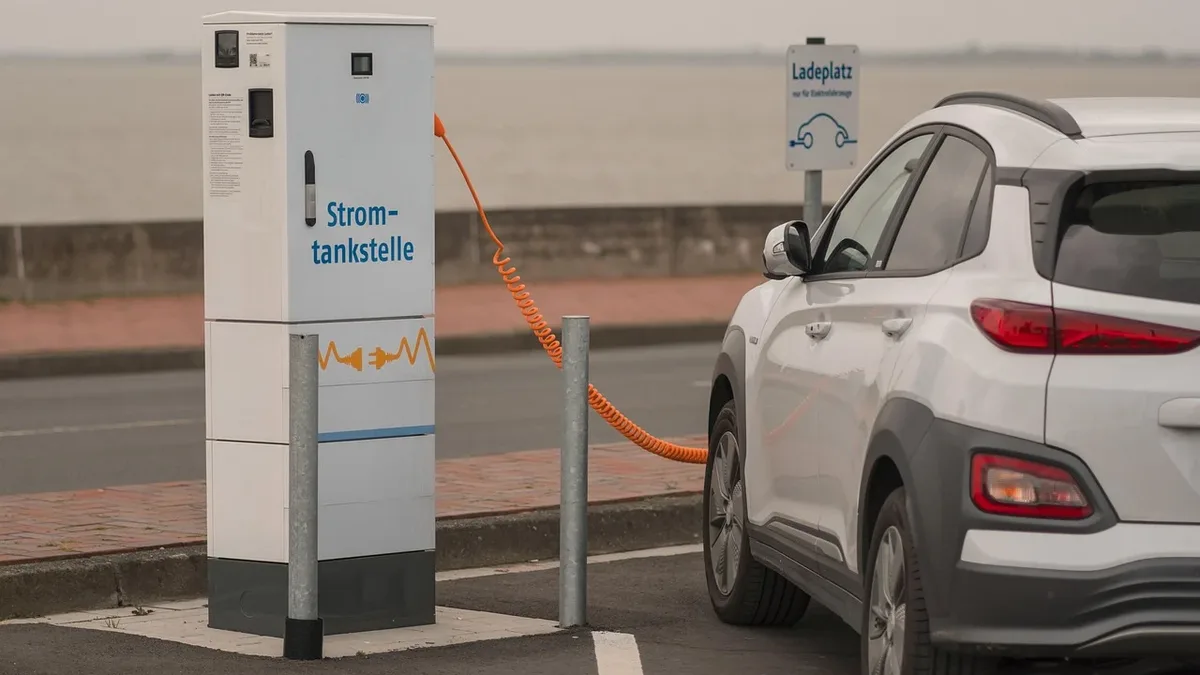
A dealer-installed software update significantly improved DC charging speeds. Before the update, charging peaked at roughly 46kW with an average of 41kW. After the update, it now peaks at 72kW and consistently maintains an average of 67kW.
The general software experience was described as stellar, with only minor glitches like random proximity sensor beeps and an occasionally erratic door request sensor noted during the test.
Shortcomings and market reality
The review notes several drawbacks. The tailgate is heavy to lift manually, leading to a wish for a powered unit at this price point. The climate controls use touch surfaces instead of physical buttons like the ICE versions, and there is no wireless Android Auto or Apple CarPlay. The battery pack is visibly mounted under the floor, though ground clearance was not found to be an issue.
Despite the product's strengths, sales are well below rivals. The electric Creta sells around 500 units a month, while a competitor like the Windsor clocks over 2,000. The report suggests that at its price point, EV buyers upgrading from the midsize ICE segment do not see buying a 'Creta' as a step up, making brand familiarity a weakness. Reviewer Saumil is quoted as saying the car is "everything we love about the Creta, with all that we love about EVs." The test concludes that looking past the badge reveals a highly sensible electric SUV.