Maruti Suzuki Plans Sub-Rs 10 Lakh EV to Rival Tata Tiago
Maruti Suzuki is developing a mass-market electric vehicle priced under Rs 10 lakh, targeting the Tata Tiago EV and Hyundai's upcoming affordable EV
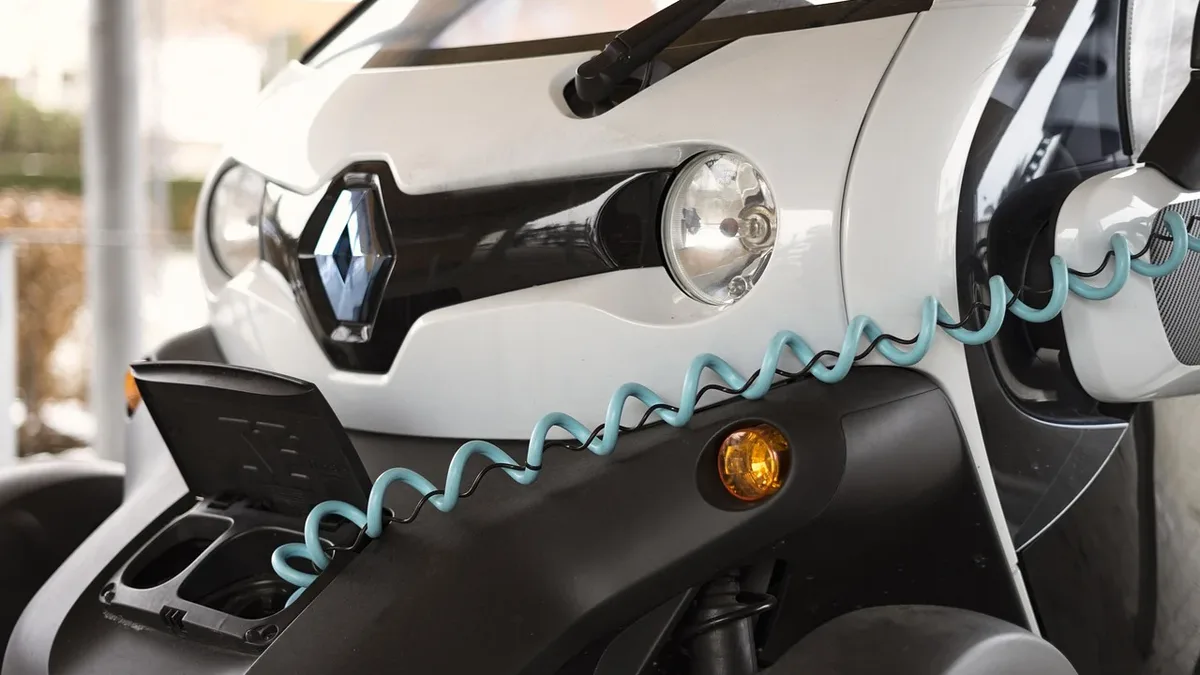
Maruti Suzuki is developing a mass-market battery electric vehicle priced below Rs 10 lakh. The upcoming model, expected to launch by September 2026, will sit below the e Vitara SUV and compete directly with the Tata Tiago EV and an upcoming affordable electric car from Hyundai.
This move would give Maruti Suzuki a important product in India's entry-level EV space. The company's first EV, the e Vitara, is a larger SUV aimed at a different customer base. A sub-Rs 10 lakh electric car would instead target buyers currently considering small petrol hatchbacks or those looking to upgrade from a two-wheeler. The report states that upfront pricing remains a major barrier to adoption in this segment of the EV market.
Competitive Landscape
Tata Motors already has a head start in this affordable segment with the Tiago EV. Tata also uses its Battery-as-a-Service model to reduce the initial purchase price further. Hyundai is preparing a compact EV based on its global Inster model, which is expected to help the Korean automaker enter the more affordable end of India's EV market.
Maruti Suzuki has not revealed the name, body style, or technical specifications for this upcoming model. The focus is clearly on affordability and mass-market adoption rather than performance or premium features. The car could be a small hatchback or compact crossover designed primarily for urban use.
Expected Specifications and Strategy
Industry expectations, which are not confirmed specifications, suggest a relatively small battery to control costs. A practical real-world range of around 200-300 km could make sense for buyers who use the car mainly for city commutes.
To keep the price competitive, Maruti Suzuki is likely to make extensive use of localisation. The company's broader EV strategy involves developing a supply chain in India for batteries, motors, and other electric vehicle components. This localisation effort is seen as increasingly important as the company moves into lower price segments.
Market Impact
This could be the Maruti EV that really matters for mass adoption. While the e Vitara gets the company into the electric SUV game, a sub-Rs 10 lakh car could take the EV proposition to a completely different audience. Maruti Suzuki possesses manufacturing scale, a massive sales network, and decades of experience with small cars. The report concludes that if Maruti can combine those strengths with a genuinely affordable electric powertrain, Tata's head start in this segment may finally come under serious pressure.